
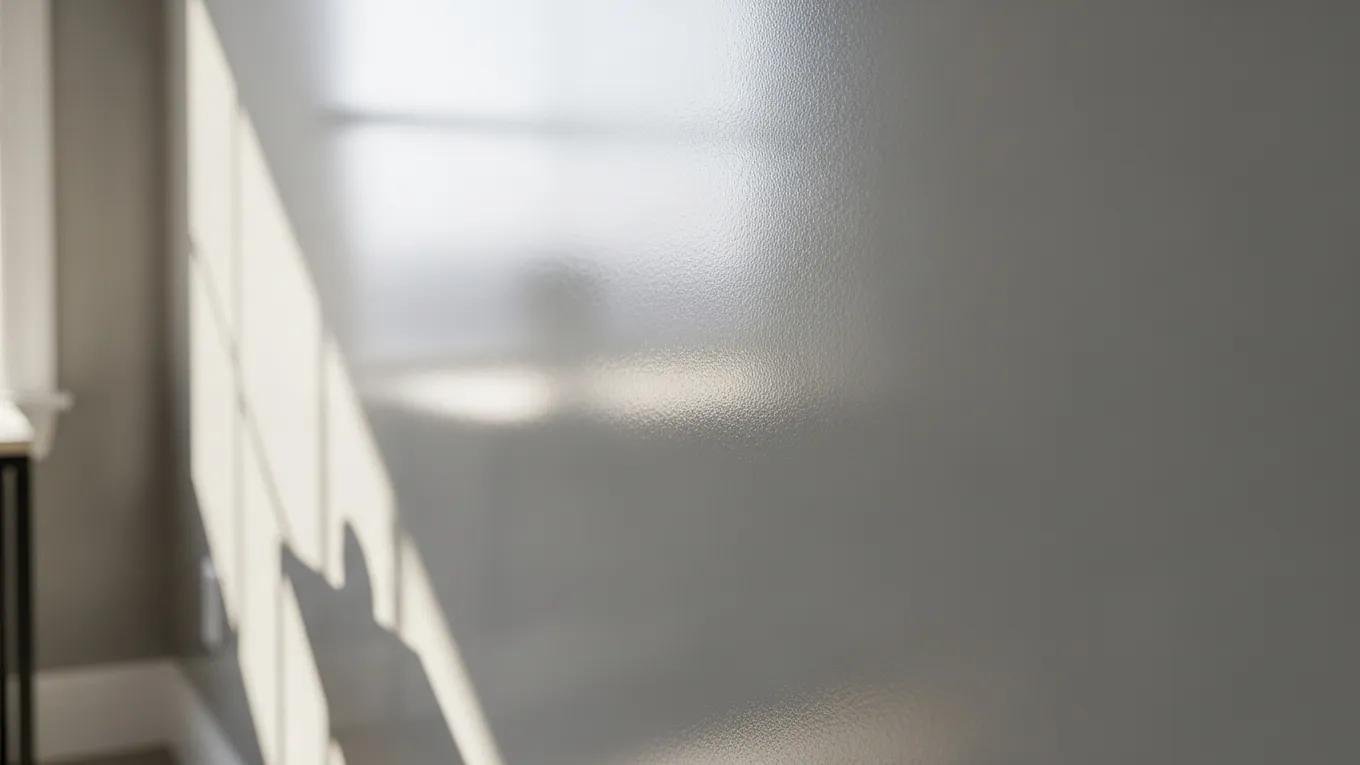
Diagnosing Paint Sheen Problems and Effective Sheen Restoration Techniques
By Esteem Painting Team, Esteem Painting LLC
Paint sheen issues can significantly affect the aesthetic appeal and durability of painted surfaces. Understanding the various factors that contribute to sheen irregularities is essential for effective diagnosis and restoration. This article will explore common causes of sheen problems, methods for assessment, and strategies for repair. Additionally, we will discuss the different types of paint finishes and their characteristics, as well as typical defects that can occur. By the end of this guide, you will have a comprehensive understanding of how to diagnose and address paint sheen issues effectively.
Common Causes of Sheen Irregularities
Sheen irregularities in paint can arise from several factors that compromise the finish quality. Identifying these causes is crucial for effective restoration. The primary contributors to sheen problems include:
- Surface Contamination: Dust, grease, or other contaminants can interfere with paint adhesion, leading to uneven sheen.
- Improper Surface Preparation: Failing to adequately prepare the surface before painting can result in inconsistent application and sheen.
- Old Wallpaper Residue: Residues from previous wall coverings can affect the paint’s ability to adhere properly, causing sheen variations.
- Moisture Issues: Excess moisture can lead to blistering or peeling, which disrupts the paint’s sheen.
- Inconsistent Application: Variations in application techniques, such as brush strokes or roller pressure, can create uneven sheen across the surface.
Understanding these causes allows for targeted interventions to restore the desired finish.
Methods for Assessment
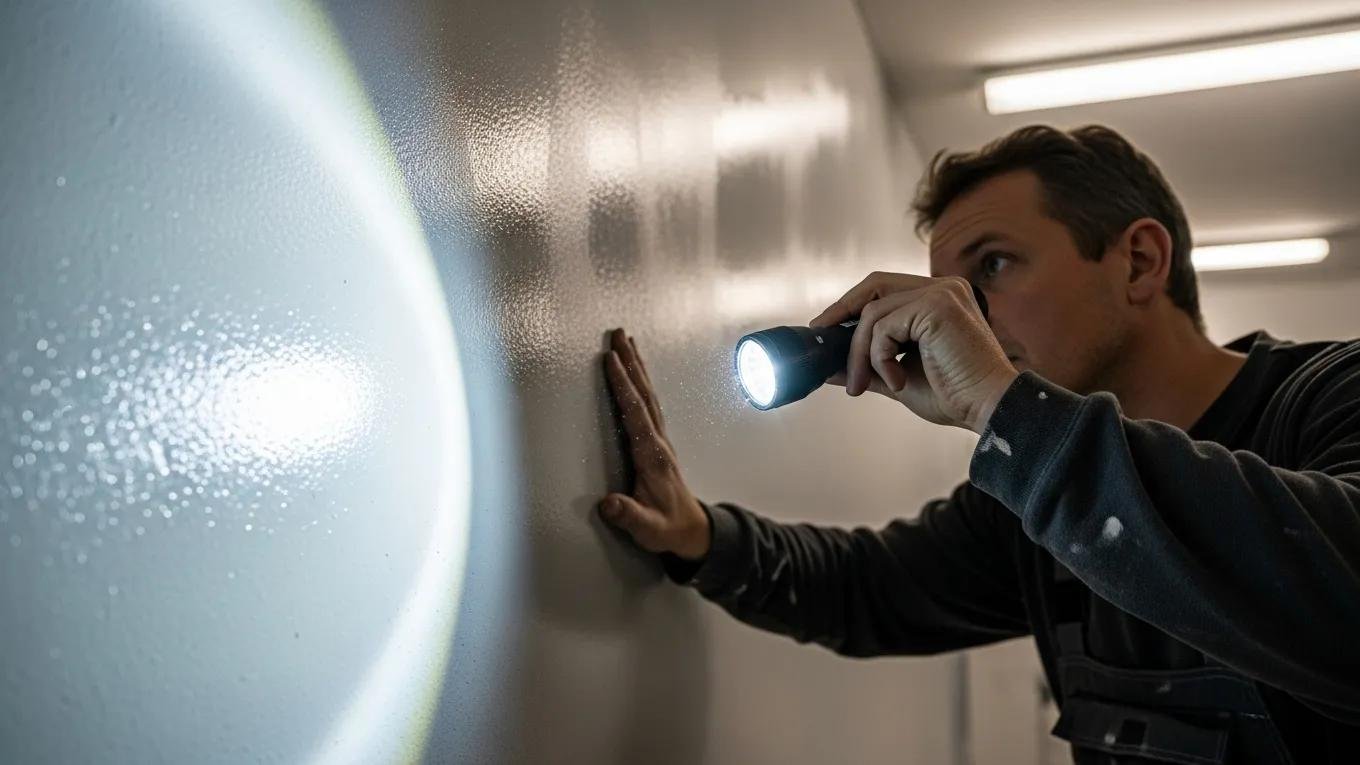
Assessing paint sheen issues involves several techniques that help identify the underlying problems. Effective assessment methods include:
- Visual Inspection: A thorough visual examination can reveal obvious sheen inconsistencies and surface defects.
- Touch Test: Running a hand over the surface can help detect variations in texture and sheen.
- Lighting Check: Observing the surface under different lighting conditions can highlight sheen irregularities that may not be visible in standard lighting.
These assessment methods provide a foundation for diagnosing the specific issues affecting the paint finish.
Strategies for Repair
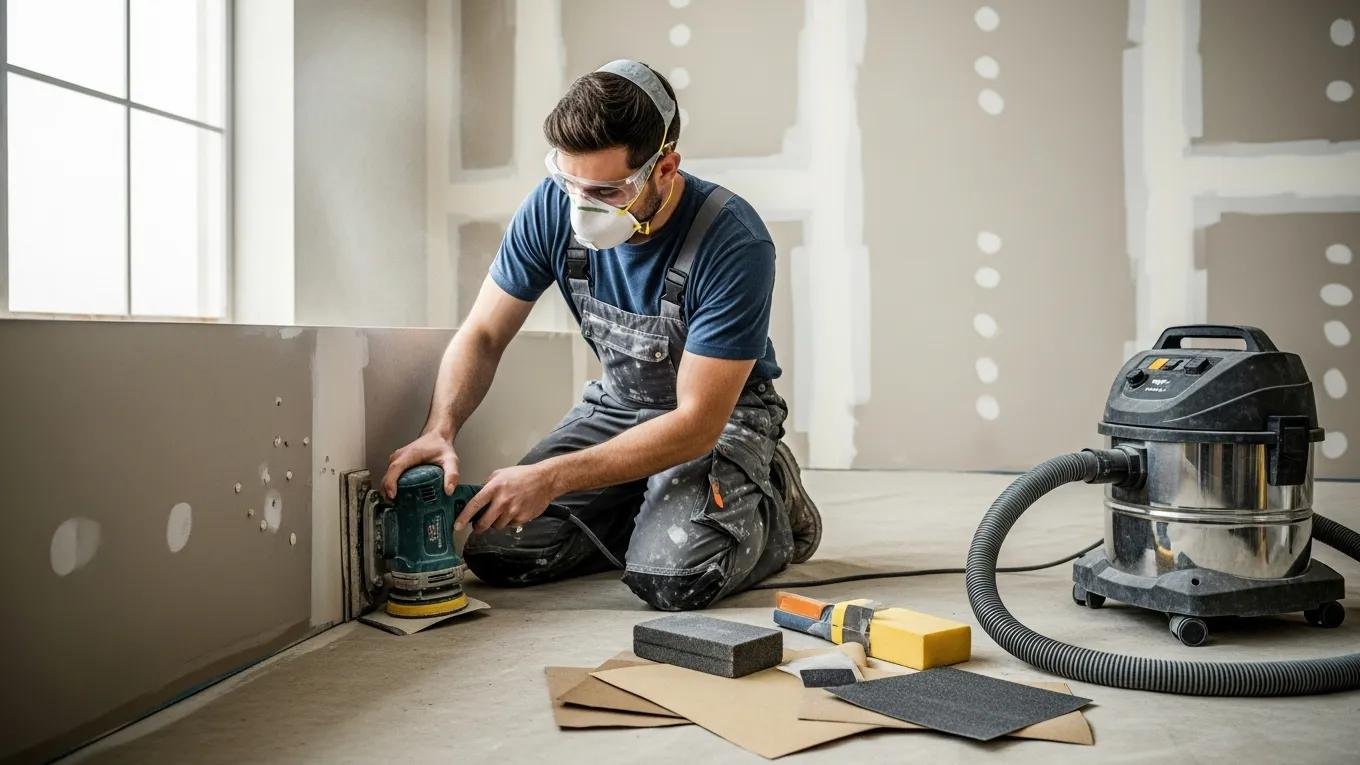
Once the causes of sheen irregularities have been identified, several repair strategies can be employed to restore the paint finish. Effective methods include:
- Surface Cleaning: Removing contaminants from the surface is essential for ensuring proper adhesion of new paint layers.
- Sanding: Lightly sanding the surface can help smooth out imperfections and prepare it for repainting.
- Priming: Applying a bonding primer can enhance adhesion and create a uniform surface for the topcoat.
- Repainting: In cases of severe sheen irregularities, repainting may be necessary to achieve a consistent finish.
- Texture Matching: For repairs, matching the texture of the surrounding area can help blend the new paint with the existing finish.
Implementing these strategies can effectively restore the desired sheen and appearance of painted surfaces.
What Are the Common Paint Finish Types and Their Sheen Characteristics?
Understanding the different types of paint finishes and their sheen characteristics is vital for selecting the appropriate product for a given application. The main paint finish types include:
- Matte Finishes: These finishes have a non-reflective surface, making them ideal for hiding imperfections but less durable against stains.
- Satin Finishes: Offering a soft sheen, satin finishes are versatile and suitable for high-traffic areas due to their durability.
- Gloss Finishes: High-gloss finishes provide a reflective surface that is easy to clean but can highlight surface imperfections.
How Do Matte, Satin, and Gloss Finishes Differ in Appearance and Sheen?
Matte, satin, and gloss finishes differ significantly in their appearance and sheen levels. Matte finishes absorb light, creating a flat look that conceals imperfections. Satin finishes reflect some light, providing a subtle sheen that enhances color depth while remaining practical for cleaning. Gloss finishes, on the other hand, reflect most light, resulting in a shiny surface that is highly durable and easy to clean, making it suitable for areas prone to wear and tear.
Which Paint Finish Types Are Most Prone to Sheen Irregularities?
Certain paint finishes are more susceptible to sheen irregularities due to their inherent properties. Matte and flat finishes are particularly prone to issues because they do not reflect light, making imperfections more noticeable. Eggshell finishes, while slightly more durable, can also exhibit sheen variations if not applied correctly. Satin finishes are generally more resilient, but improper application can still lead to inconsistencies. Semi-gloss and high-gloss finishes, while durable, can show imperfections more readily, necessitating careful application techniques.
What Are the Typical Sheen and Surface Defects Affecting Paint Finishes?
Several common defects can affect paint finishes, leading to undesirable sheen variations. These defects include:
- Orange Peel: A texture resembling the skin of an orange, often caused by improper spray techniques or insufficient thinning of paint.
- Blotchiness: Uneven color distribution that can occur due to poor surface preparation or inconsistent application.
- Gloss Loss: A reduction in sheen that can result from wear, environmental factors, or the use of low-quality paint.
How to Identify Orange Peel, Blotchiness, and Gloss Loss on Painted Surfaces?
Identifying these defects involves careful observation and tactile assessment. Orange peel can be detected by feeling the surface texture, while blotchiness is often visible under varying lighting conditions. Gloss loss may be assessed by comparing the sheen of the affected area to surrounding surfaces, noting any significant differences.
What Causes Paint Surface Irregularities and Gloss Level Issues?
The root causes of paint surface irregularities and gloss level issues often stem from environmental factors, application techniques, and surface preparation. Inadequate surface preparation can lead to poor adhesion, while environmental conditions such as humidity and temperature can affect drying times and finish quality. Additionally, improper application techniques, such as using the wrong tools or inconsistent pressure, can result in uneven sheen.
Further insights into diagnosing and understanding the origins of various paint surface defects are provided by specialized research.
Paint Surface Defects: Diagnosis, Causes & Cures
This paper attempts to answer these and other questions. It addresses a number of defects and their causes, including craters and other surface tension related defects, dirt (the most common defect of all), popping, and flow problems. It also reviews techniques for defect identification and root cause analysis and discusses counter-measures. Examples and case histories are used to illustrate defects and methods of attack to characterize and cure them.
Surface defects: Diagnosis and cure, 1999
How Can You Diagnose Paint Sheen Problems Using Tools and Techniques?
Diagnosing paint sheen problems requires a systematic approach that incorporates various tools and techniques. Effective diagnostic methods include:
- Visual Inspection: A close examination of the surface can reveal visible defects and inconsistencies.
- Surface Condition Assessment: Evaluating the surface for signs of wear, damage, or contamination is crucial for understanding the underlying issues.
- Cleaning Test: Testing the surface with cleaning agents can help determine if contaminants are affecting the sheen.
- Adhesion Test: Assessing the adhesion of the paint can provide insights into potential issues with surface preparation.
- Chemical Compatibility Check: Ensuring that the paint is compatible with the underlying surface can prevent future sheen problems.
What Role Do Gloss Meters and Microscopes Play in Sheen Diagnosis?
Gloss meters and microscopes are valuable tools for diagnosing sheen issues. Gloss meters measure the reflectivity of a surface, providing quantitative data on sheen levels. Microscopes can reveal surface textures and defects that are not visible to the naked eye, allowing for a more detailed analysis of the paint finish.
Which Diagnostic Steps Help Determine the Root Cause of Sheen Issues?
A systematic approach to diagnosis involves several key steps. First, conduct a visual inspection to identify obvious defects. Next, assess the surface condition to determine if contaminants or damage are present. Performing cleaning and adhesion tests can provide further insights into the underlying issues. Finally, consider environmental factors and application techniques that may have contributed to the sheen problems.
What Are the Best Repair and Restoration Methods for Paint Sheen Issues?
To effectively address paint sheen issues, several repair and restoration methods can be employed. These methods include:
- Sanding: Lightly sanding the affected area can help smooth out imperfections and prepare the surface for repainting.
- Polishing: Polishing can restore gloss to dull surfaces, enhancing the overall appearance.
- Recoating: Applying a new coat of paint can effectively cover sheen irregularities and restore a uniform finish.
How Do Sanding, Polishing, and Recoating Restore Paint Gloss?
Sanding removes surface imperfections and prepares the substrate for a new layer of paint, ensuring better adhesion. Polishing can enhance the gloss of existing finishes by smoothing the surface and removing minor defects. Recoating with a high-quality paint can provide a fresh, uniform appearance, effectively masking any previous sheen issues.
What Preventative Measures Ensure Long-Lasting Finish Quality?
To maintain the quality of paint finishes and prevent sheen issues, several preventative measures should be taken:
- Regular Maintenance: Routine cleaning and inspections can help identify potential issues before they become significant problems.
- Quality Materials: Using high-quality paints and primers can enhance durability and reduce the likelihood of sheen irregularities.
- Professional Assessment: Engaging professionals for surface preparation and application can ensure optimal results and longevity of the finish.
By implementing these preventative measures, you can help ensure that your paint finishes remain attractive and durable over time.