Comprehensive Guide to Commercial Coating Systems and Industrial Coating Specifications
By Esteem Painting Team, Esteem Painting LLC
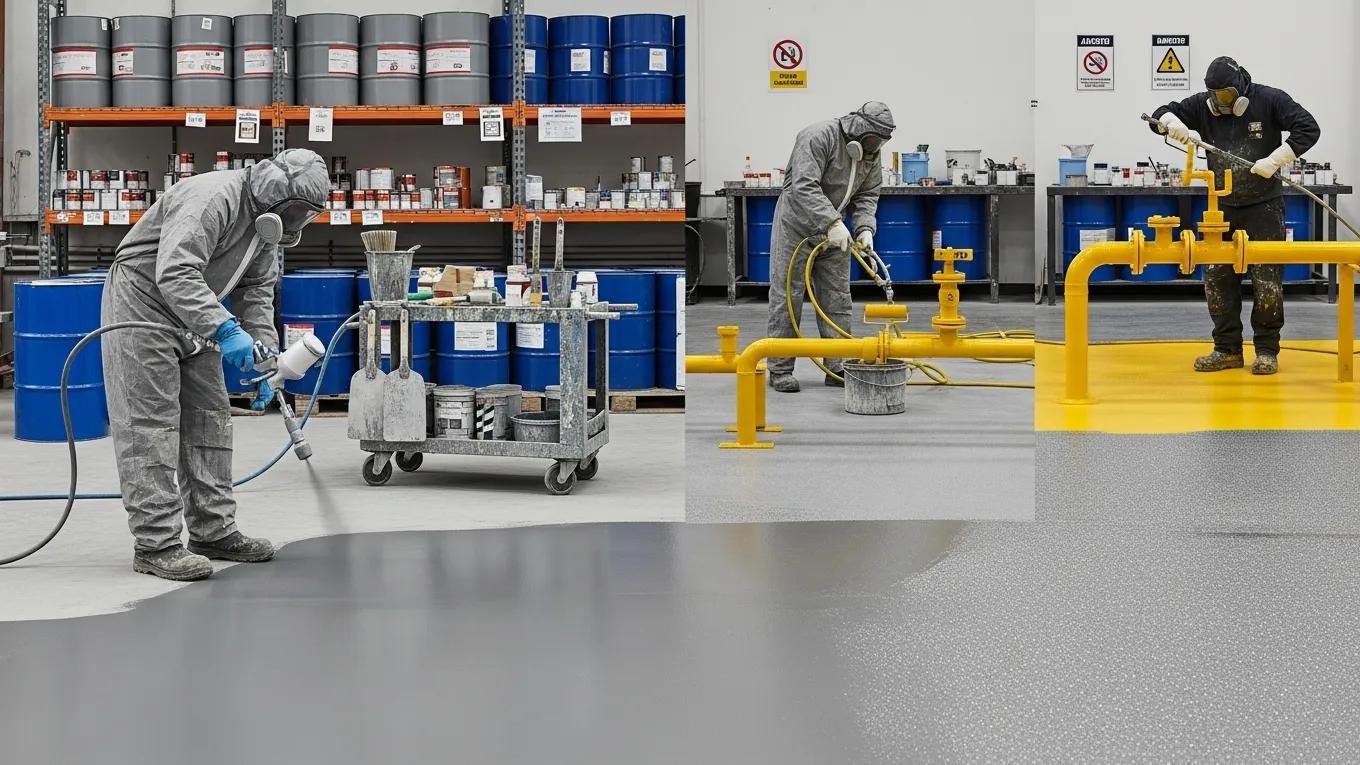
Commercial coating systems play a crucial role in protecting surfaces in various industrial applications. These systems are designed to enhance durability, aesthetic appeal, and resistance to environmental factors. In this guide, we will explore the different types of commercial coating systems, their specifications, and the best practices for application and maintenance. Understanding these elements is essential for ensuring the longevity and effectiveness of coatings in commercial settings. We will cover key topics such as the types of coatings available, their properties, application methods, industry standards, and maintenance practices. By the end of this article, you will have a comprehensive understanding of commercial coating systems and how to choose the right one for your needs.
What Are the Key Types of Commercial Coating Systems?
Commercial coating systems can be categorized into several types, each with unique properties and applications. The primary types include epoxy, polyurethane, and acrylic coatings. These coatings are formulated to meet specific performance requirements, making them suitable for various environments and uses.
How Do Epoxy, Polyurethane, and Acrylic Coatings Differ?
Epoxy coatings are known for their exceptional durability and chemical resistance, making them ideal for industrial floors and surfaces exposed to harsh conditions. Polyurethane coatings offer flexibility and UV resistance, making them suitable for outdoor applications where exposure to sunlight is a concern. Acrylic coatings are environmentally friendly and provide good adhesion and color retention, making them popular for decorative finishes. Each type of coating has its advantages, and the choice depends on the specific requirements of the project.
What Properties Define Durable Commercial Paint Systems?
Durable commercial paint systems are characterized by several key properties that ensure their longevity and effectiveness. These properties include a high resin load, advanced cross-linking technology, and compliance with industry standards such as ASTM.
These properties contribute to the overall performance of commercial coatings, making them suitable for demanding environments.
How Are Commercial Surface Coatings Applied Effectively?
The application of commercial surface coatings is a critical step that influences the performance and durability of the coating. Various methods can be employed, including spray, brush, and roller application, each with its advantages and disadvantages.
What Are the Best Application Methods: Spray, Brush, or Roller?
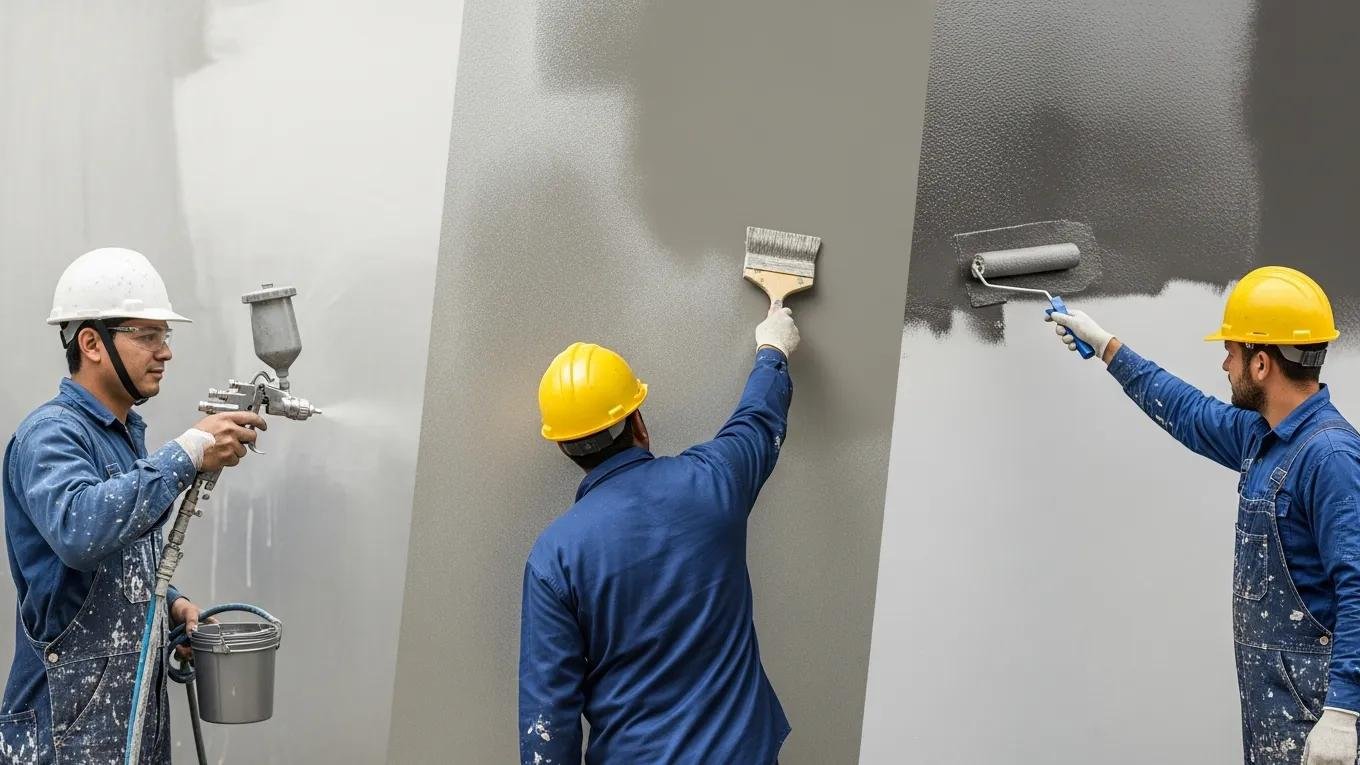
Spray application is often the most efficient method, allowing for even coverage and reduced application time. However, it requires skilled operators to avoid overspray and ensure proper technique. Brush application provides precision and is ideal for detailed work, while roller application is effective for larger surfaces, offering a good balance between speed and control. The choice of application method should consider the specific project requirements and the type of coating being used.
How Does Surface Preparation Impact Coating Performance?
Surface preparation is crucial for ensuring proper adhesion and performance of the coating. Effective preparation techniques include cleaning the surface to remove contaminants, assessing moisture levels, and repairing any surface defects. Properly prepared surfaces enhance the bonding of the coating, leading to improved durability and longevity.
Which Industry Standards Govern Protective Coatings Specifications?
Industry standards play a vital role in ensuring the quality and performance of protective coatings. Key organizations such as ASTM, SSPC, and ISO establish guidelines that manufacturers and applicators must follow.
What Are the Roles of ASTM, SSPC, and ISO Standards?
ASTM standards provide performance metrics that coatings must meet, ensuring they can withstand specific environmental conditions. SSPC guidelines focus on surface preparation, outlining best practices for preparing surfaces before coating application. ISO standards ensure quality assurance throughout the manufacturing process, promoting consistency and reliability in coating products.
How Do Environmental Compliance and VOC Regulations Affect Coating Choices?
Environmental compliance and VOC (volatile organic compounds) regulations significantly influence coating selection. Coatings with low VOC content are increasingly preferred due to their reduced environmental impact and compliance with health and safety standards. This shift towards eco-friendly options is shaping the market, encouraging manufacturers to develop innovative formulations that meet regulatory requirements.
Understanding the historical context of these regulations further emphasizes their impact on the coatings industry.
Coatings Industry Regulations & Environmental Compliance
European legislation has both quickened and intensified over the last decade. The proliferating adaptations to the Dangerous Substances Directive and the New Solvent Directive are cases in point. In fact, the real effect of legislation which strikes at the very heart of the coatings industry is found in six areas; classification and labelling, market restrictions, the notification of new chemicals, the risk assessment of existing chemicals, the occupational exposure limits and VOC controls.
Coatings, regulations and the environment reviewed, 1988
How Can Maintenance and Inspection Ensure Longevity of Commercial Coatings?
Regular maintenance and inspection are essential for prolonging the life of commercial coatings. Implementing best practices can help identify issues early and maintain the integrity of the coating system.
What Are Best Practices for Coating System Maintenance?
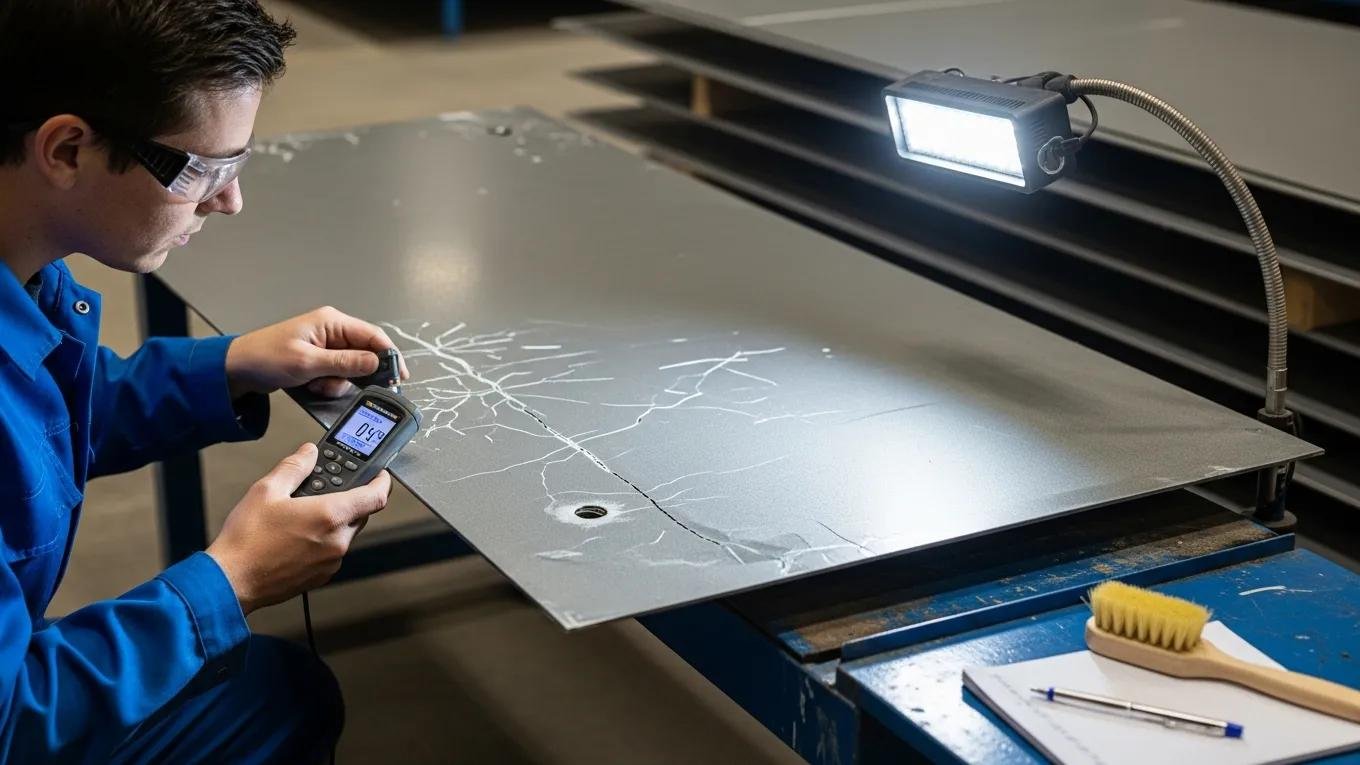
Best practices for maintaining coating systems include conducting regular inspections to identify wear and damage, performing surface cleaning to remove contaminants, and addressing any repairs promptly. Documenting maintenance history can also help track the performance of the coating over time, ensuring timely interventions when necessary.
How Are Durability Metrics Used to Assess Coating Performance?
Durability metrics are critical for evaluating the performance of coating systems. High resin load and the presence of cross-linking polymers are key indicators of a coating’s durability. Compliance with ASTM standards further validates the coating’s performance, providing assurance to users regarding its longevity and effectiveness.