
Best Deck Stain and Wood Sealer Comparison: Choosing Long-Lasting, Waterproof Exterior Wood Finishes
By Esteem Painting Team, Esteem Painting LLC
Choosing the right exterior wood stain and sealer is crucial for maintaining the beauty and longevity of your outdoor wood surfaces. With a variety of options available, understanding the differences between products can help you make an informed decision. This article will explore the main types of exterior wood stains and sealers, their applications, and the best practices for maintaining your wood finishes. By the end, you will have a comprehensive understanding of how to protect your wood surfaces effectively.
In this guide, we will cover the following sections: the main types of exterior wood stains and sealers, the differences between oil-based and water-based stains, the characteristics of semi-transparent and solid color stains, and the best brands available in 2023. Additionally, we will discuss application techniques, maintenance tips, and environmental considerations to help you choose the best product for your needs.
What Are the Main Types of Exterior Wood Stains and Sealers?
Exterior wood stains and sealers come in several types, each designed for specific applications and desired finishes. The primary categories include clear, semi-transparent, and solid color stains.
- Clear Stains: These provide minimal color while enhancing the natural beauty of the wood. They offer UV protection but require more frequent reapplication.
- Semi-Transparent Stains: These allow some wood grain to show through while providing more color and protection than clear stains. They are popular for decks and fences.
- Solid Color Stains: These provide a uniform color that hides the wood grain, offering the most protection against UV rays and moisture. They are ideal for older or weathered wood.
Understanding these types will help you select the right product based on your aesthetic preferences and the level of protection needed.
How Do Oil-Based and Water-Based Wood Stains Differ?
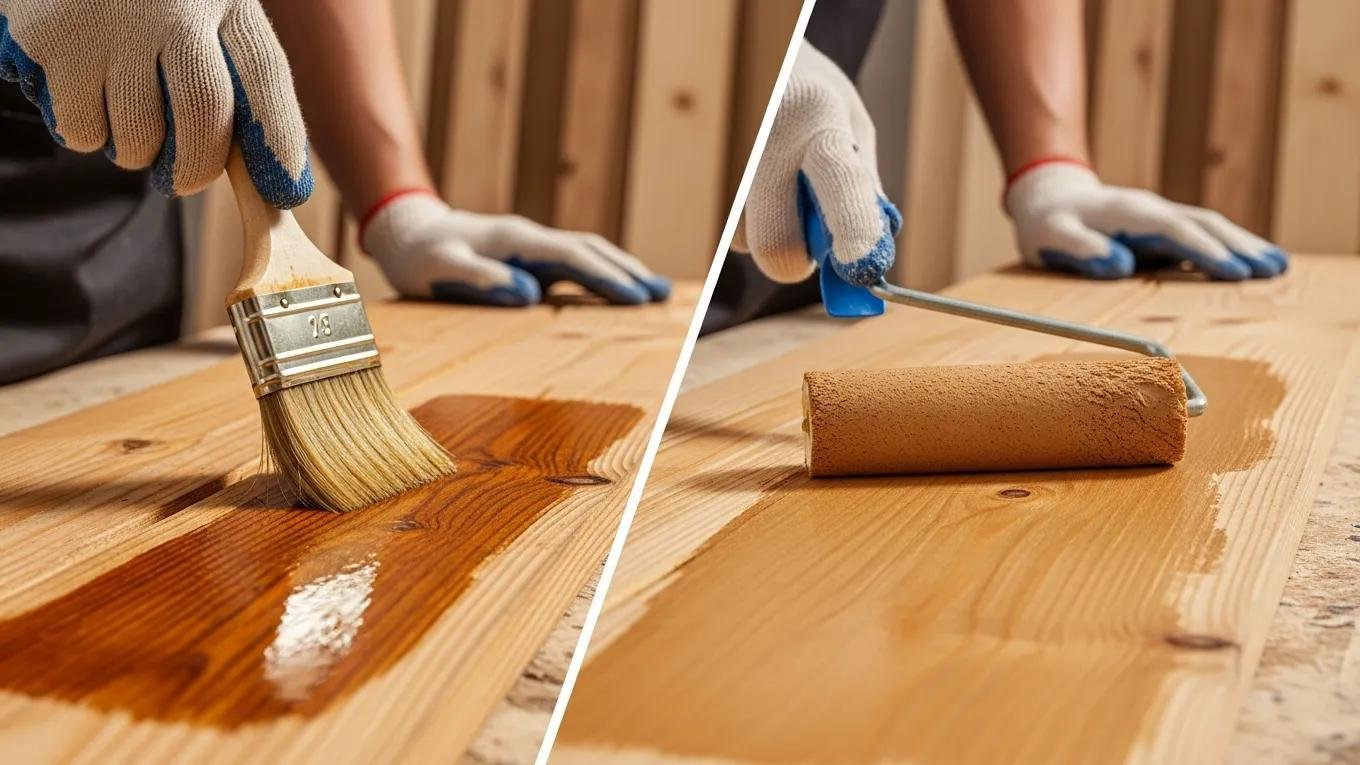
Oil-based and water-based wood stains differ significantly in composition, application, and performance.
- Oil-Based Stains: These stains penetrate deeply into the wood, providing excellent durability and resistance to wear. They typically take longer to dry and have a stronger odor during application. However, they offer superior protection against moisture and UV damage.
- Water-Based Stains: These stains dry quickly and have lower VOC levels, making them more environmentally friendly. They are easier to clean up and have less odor, but they may not penetrate as deeply as oil-based options, potentially leading to shorter longevity.
Choosing between these two types depends on your specific needs, including drying time, environmental considerations, and desired durability.
What Are Semi-Transparent and Solid Color Stains?
Semi-transparent and solid color stains serve different aesthetic and protective purposes for wood surfaces.
- Semi-Transparent Stains: These stains enhance the wood’s natural grain while adding color. They are suitable for new wood and can be used on previously stained surfaces. They require reapplication every 1-3 years, depending on exposure to the elements.
- Solid Color Stains: These provide a uniform finish that completely covers the wood grain. They are ideal for older wood that may have imperfections. Solid stains typically last longer, requiring reapplication every 3-5 years.
Understanding the differences between these two types of stains can help you choose the right product for your project.
Which Brands Offer the Best Exterior Wood Stains and Sealers in 2023?
Several brands are recognized for their high-quality exterior wood stains and sealers in 2023. Here are some of the top contenders:
These brands have established reputations for quality and performance, making them reliable choices for your exterior wood protection needs.
How Should You Apply and Maintain Exterior Wood Stains for Maximum Longevity?
Proper application and maintenance of wood stains are essential for maximizing their lifespan. Here are some key guidelines:
- Preparation: Clean the wood surface thoroughly to remove dirt, mildew, and old finishes. Sanding may be necessary for better adhesion.
- Application: Apply the stain using a brush, roller, or sprayer, following the manufacturer’s instructions. Ensure even coverage and avoid pooling.
- Maintenance: Regularly inspect the wood for signs of wear or fading. Reapply the stain as needed, typically every 1-3 years for semi-transparent stains and every 3-5 years for solid stains.
Following these steps will help ensure that your wood surfaces remain protected and visually appealing.
What Are the Best Practices for Applying Wood Stain and Sealer?
To achieve the best results when applying wood stain and sealer, consider the following best practices:
- Choose the Right Weather: Apply stains on dry days with temperatures between 50°F and 90°F. Avoid applying before rain or extreme heat.
- Use Quality Tools: Invest in high-quality brushes or rollers designed for stain application to ensure a smooth finish.
- Follow Manufacturer Instructions: Always adhere to the specific guidelines provided by the manufacturer for the best results.
By following these practices, you can enhance the effectiveness of your wood stain application.
How Often Should You Reapply Stain to Maintain Waterproofing and Durability?
The frequency of reapplication depends on the type of stain used and the environmental conditions. Here are general guidelines:
- Clear Stains: Reapply every 1-2 years, as they offer minimal protection and can wear away quickly.
- Semi-Transparent Stains: Typically require reapplication every 1-3 years, depending on exposure to sunlight and moisture.
- Solid Color Stains: These can last 3-5 years before needing a fresh coat, making them a more durable option.
Regular maintenance is crucial to ensure continued protection against the elements.
What Environmental and Safety Factors Should Influence Your Wood Stain Choice?
When selecting a wood stain, consider environmental and safety factors, including:
- VOCs: Volatile organic compounds can be harmful to health and the environment. Opt for low-VOC or water-based stains to minimize exposure.
- Environmental Regulations: Be aware of local regulations regarding the use of certain chemicals in wood stains.
- Safety Certifications: Look for products that have been certified for safety and environmental impact.
Choosing eco-friendly options not only protects your health but also contributes to environmental sustainability.
Why Choose Eco-Friendly and Low-VOC Wood Stains?
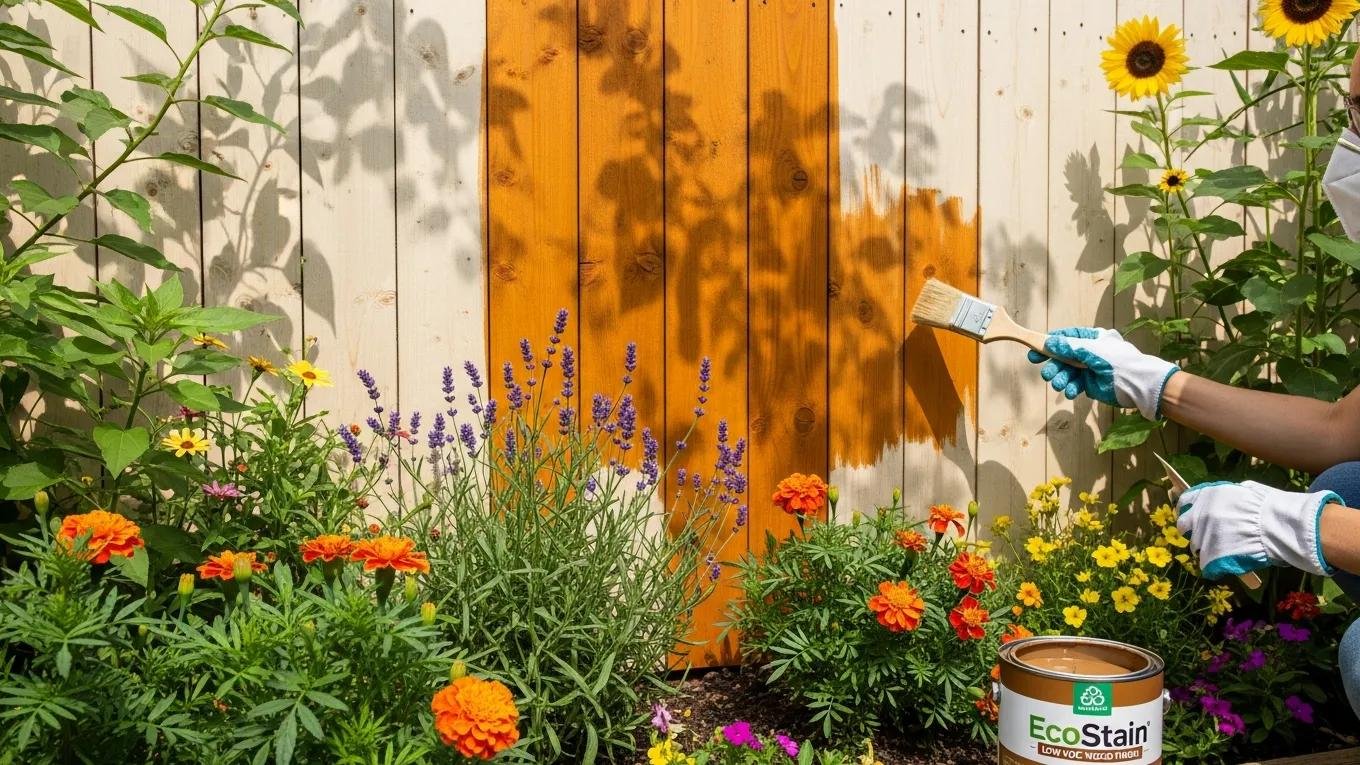
Eco-friendly and low-VOC wood stains offer several benefits:
- Health Benefits: Lower levels of harmful chemicals reduce the risk of respiratory issues and other health problems.
- Environmental Impact: These products are less harmful to the environment, making them a responsible choice for eco-conscious consumers.
- Performance: Many eco-friendly stains provide excellent durability and protection, comparable to traditional options.
By selecting eco-friendly products, you can protect both your health and the environment.
How Do Climate and Weather Affect Stain Longevity?
Climate and weather conditions play a significant role in the longevity of wood stains. Key factors include:
- Temperature and Humidity: High humidity can prolong drying times, while extreme heat can cause stains to dry too quickly, leading to poor adhesion.
- Moisture Exposure: Areas with heavy rainfall or snow may require more frequent reapplication due to increased wear.
- UV Exposure: Direct sunlight can fade stains and degrade their protective qualities, necessitating more frequent maintenance.
Understanding these factors can help you choose the right products and maintenance schedule for your specific climate.