

How to Choose Low VOC and Natural Paints: Essential Resources for Sustainable Painting Practices
By Esteem Painting Team, Esteem Painting LLC
Choosing sustainable paints is crucial for both environmental health and personal well-being. Low VOC (volatile organic compounds) and natural paints are designed to minimize harmful emissions while providing effective coverage and durability. This article will guide you through the essential resources and practices for selecting sustainable paints, ensuring a healthier indoor environment. Many consumers are unaware of the health risks associated with traditional paints, which can release toxic fumes long after application. By understanding the benefits of low VOC and natural paints, you can make informed choices that contribute to a safer living space. We will explore the definition of VOCs, the advantages of sustainable painting practices, and practical tips for implementation, along with essential resources to aid your decision-making process.
Indeed, the negative health and environmental consequences of conventional paints are well-documented, underscoring the urgency for sustainable alternatives.
Environmental & Health Impacts of Paints: Towards Eco-Friendly Solutions
Owing to vast applications of paint, serious negative effects have been observed on human health, including headaches, the induction of allergies, asthmatic reactions, irritation of the skin and eyes, and increased strain on the heart. In addition to that, paint and its byproducts may cause lethal effects to both human beings and the environment, which on the other hand create serious environmental pollution. Review emphasizes the formulation, manufacturing steps, causes of failure, environmental pollution, and negative human health issues.
A review on environmental impacts of paints and strategies for producing eco-friendly-paints, P Akhter, 2025
Understanding VOCs
VOCs, or volatile organic compounds, are organic chemicals that can evaporate into the air and contribute to air pollution. These compounds are commonly found in traditional paints and can pose significant health risks, including respiratory issues and long-term neurological effects. Reducing exposure to VOCs is essential for maintaining healthier indoor air quality. By choosing low VOC paints, you can significantly decrease the amount of harmful emissions in your home, leading to a safer environment for you and your family. Understanding the impact of VOCs is the first step in making informed decisions about paint products.
This commitment to reducing VOCs is vital, as non-VOC paints are increasingly recognized as a cornerstone for sustainable construction and improved indoor environments.
Non-VOC Paints for Green Buildings & Sustainable Health
Non-volatile organic compound (non-VOC) paints, characterized by minimal or zero emissions of volatile organic compounds, have emerged as a cornerstone of sustainable construction practices, particularly in the development of green buildings. These environmentally friendly coatings contribute to improved indoor air quality (IAQ), reduced environmental impact, and enhanced occupant health, aligning with the principles of sustainable architecture.
The Role of Non-Volatile Organic Compound Paints in Green Buildings for a Sustainable Environment, A Jain, 2026
Choosing Low VOC and Natural Paints
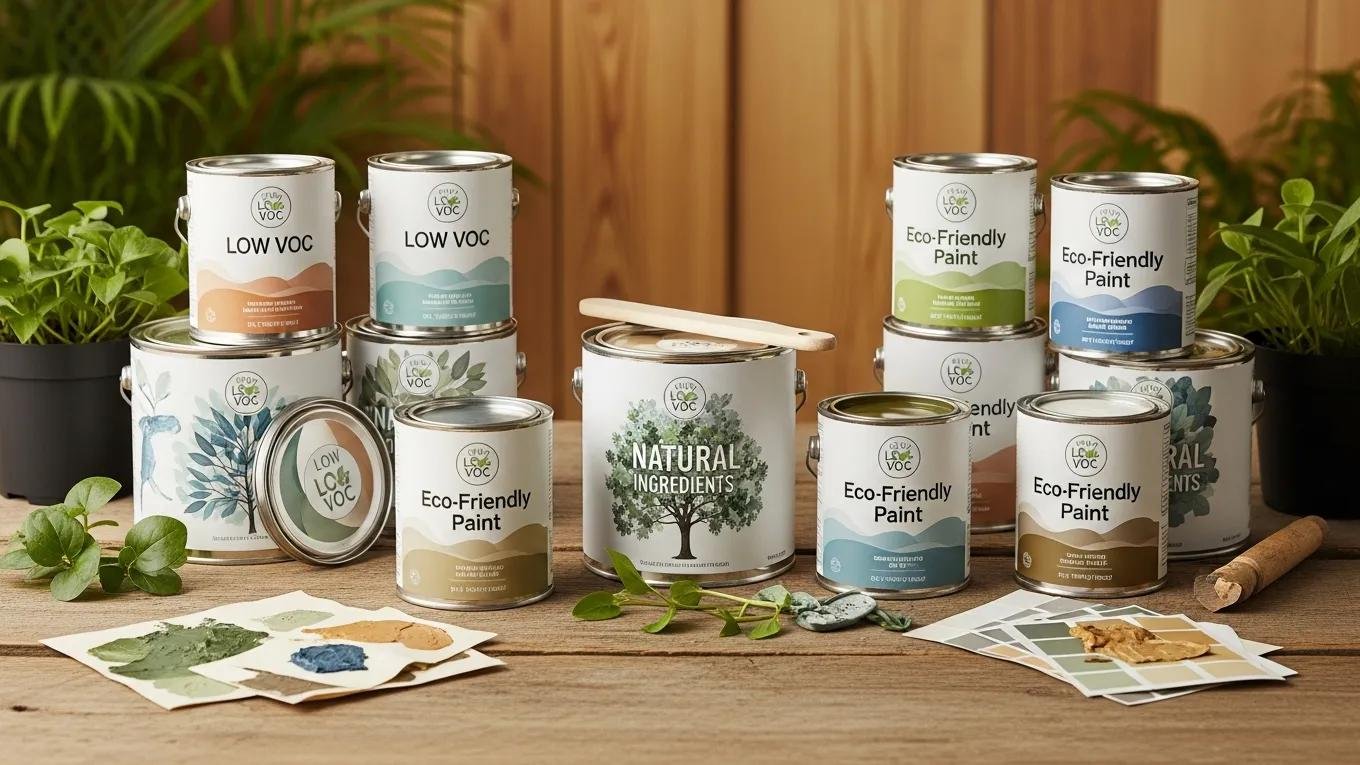
When selecting low VOC and natural paints, it is important to consider several factors to ensure you are making the best choice for your health and the environment.
- Types of Low VOC Paints: Familiarize yourself with the different types of low VOC paints available, including latex and acrylic options, which typically have lower emissions compared to oil-based paints.
- Researching Brands: Investigate various brands that specialize in eco-friendly paints. Look for those that provide transparency about their ingredients and manufacturing processes.
- Checking Certifications: Ensure that the paints you consider are certified by reputable organizations, such as Green Seal or EcoLabel, which verify that products meet strict environmental standards.
By following these guidelines, you can confidently choose paints that align with your sustainability goals.
Benefits of Sustainable Painting Practices
Sustainable painting practices offer numerous advantages that extend beyond environmental benefits.
- Healthier Indoor Air Quality: Using low VOC and natural paints significantly reduces the presence of harmful chemicals in your home, leading to improved air quality.
- Durability and Longevity: Many sustainable paints are formulated to be more durable, providing long-lasting results that can withstand wear and tear.
- Increased Property Value: Homes that utilize eco-friendly materials often have higher resale values, as more buyers are seeking sustainable living options.
These benefits highlight the importance of adopting sustainable painting practices for both personal health and property investment.
Tips for Implementation
Implementing sustainable painting practices can be straightforward with the right approach. Here are some practical tips to consider:
- Surface Preparation Importance: Properly prepare surfaces before painting to ensure better adhesion and longevity of the paint.
- Questions to Ask Contractors: When hiring professionals, inquire about their experience with low VOC and natural paints, as well as their recommended brands.
- Evaluating Estimates: Compare estimates from different contractors, ensuring they include the use of sustainable materials in their proposals.
By following these tips, you can effectively implement sustainable painting practices in your home.
Essential Resources
Finding reliable resources for sustainable painting options is crucial for making informed decisions. Here are some essential resources to consider:
- Professional Painters: Look for painters who specialize in eco-friendly practices and have experience with low VOC and natural paints.
- Guides and Consultations: Utilize online guides and consultations that provide insights into sustainable painting options and techniques.
These resources can help you navigate the process of selecting and applying sustainable paints effectively.
What Are Low VOC and Natural Paint Alternatives?
Low VOC and natural paint alternatives are designed to minimize environmental impact while providing effective coverage. These paints are formulated with fewer harmful chemicals, making them safer for both indoor air quality and the environment. Natural paints often use ingredients derived from plants and minerals, offering a biodegradable option that reduces waste. Understanding these alternatives is essential for making eco-conscious choices in your painting projects.
Which Environmentally Friendly Paint Brands Offer Non-Toxic Options?
Several brands are recognized for their commitment to producing non-toxic, environmentally friendly paints. Some notable options include:
- Benjamin Moore: Known for its Natura line, which is zero VOC and certified asthma and allergy friendly.
- Sherwin-Williams: Offers a range of low VOC paints that meet stringent environmental standards.
- Behr: Their Premium Plus line features low VOC options that provide excellent coverage and durability.
These brands exemplify the growing trend towards sustainable painting solutions.
Top Eco-Friendly Paint Brands and Their Certifications
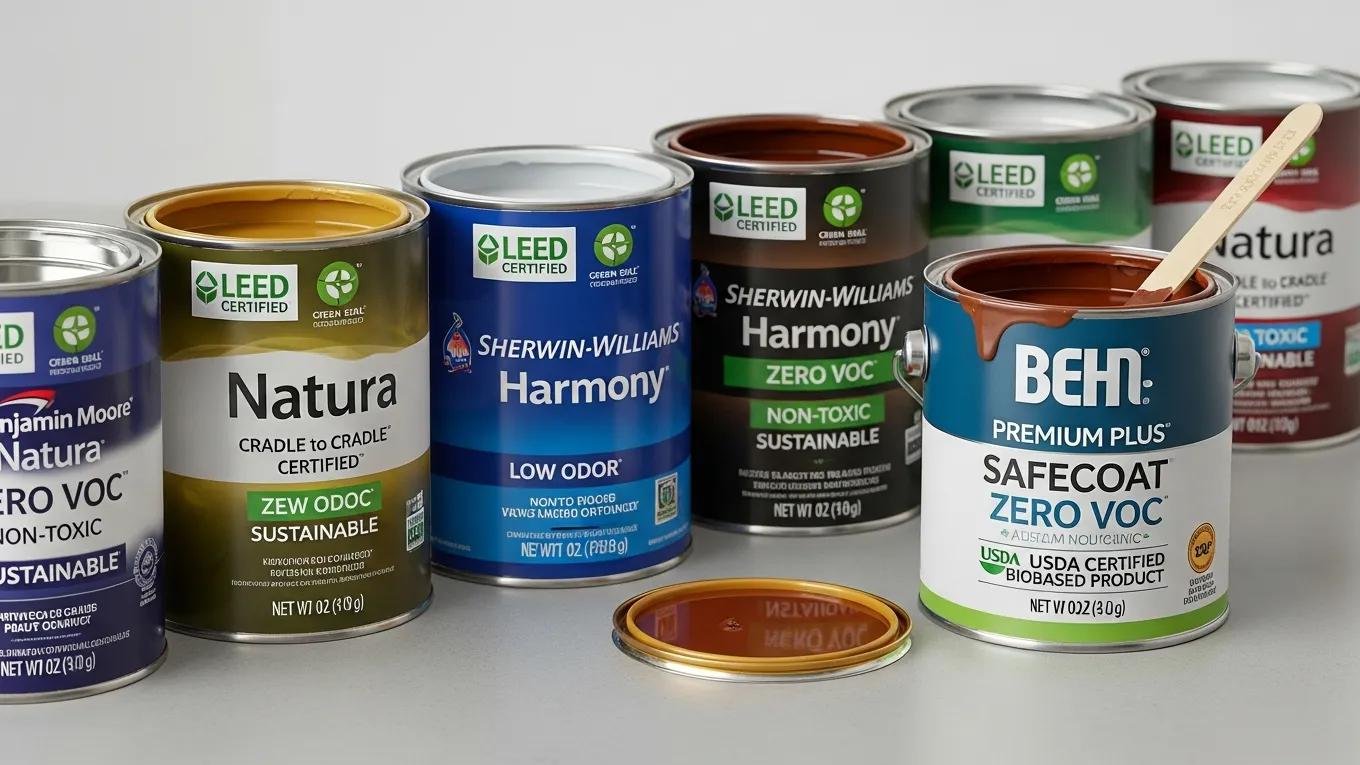
When selecting eco-friendly paint brands, it is important to consider their certifications, which indicate adherence to environmental standards. Here are some top brands and their certifications:
These certifications provide assurance that the products are safe for both users and the environment.
Comparing Non-Toxic Paint Products for Health and Environment
When comparing non-toxic paint products, it is essential to evaluate their health impacts and environmental considerations.
- Health Impacts: Look for paints that have been tested for safety and are free from harmful chemicals.
- Environmental Considerations: Consider the lifecycle of the paint, including its production, application, and disposal processes.
By assessing these factors, you can choose products that align with your health and environmental values.
What Are the Best Eco-Friendly Painting Techniques and Disposal Practices?
Adopting eco-friendly painting techniques and disposal practices is vital for minimizing environmental impact.
- Sustainable Application Methods: Use techniques that reduce waste, such as proper surface preparation and efficient application methods to minimize overspray.
- Safe Disposal Practices: Follow local regulations for paint disposal, ensuring that leftover paint is disposed of in an environmentally responsible manner.
Implementing these practices can significantly reduce the ecological footprint of your painting projects.
Sustainable Application Methods to Reduce Environmental Impact
Sustainable application methods are essential for reducing the environmental impact of painting projects.
- Surface Preparation Techniques: Properly clean and prepare surfaces to ensure better paint adhesion and reduce the need for multiple coats.
- Efficient Application Methods: Use tools and techniques that minimize waste, such as rollers and brushes designed for optimal coverage.
By focusing on these methods, you can enhance the sustainability of your painting practices.
Safe Paint Recycling and Disposal Guidelines
Proper paint recycling and disposal are crucial for minimizing environmental harm. Here are some guidelines to follow:
- Local Regulations for Disposal: Check local regulations regarding paint disposal to ensure compliance and safety.
- Eco-Friendly Disposal Methods: Consider recycling leftover paint through community programs or hazardous waste collection events.
Following these guidelines helps ensure that your painting projects are not only beautiful but also environmentally responsible.