

Effective Communication Checklist for Painting Projects: Client Communication Plan and Project Updates
By Esteem Painting Team, Esteem Painting LLC
Effective communication is crucial in painting projects, ensuring that both contractors and clients are aligned throughout the process. This checklist serves as a comprehensive guide to facilitate effective communication, covering essential aspects such as client communication plans, project updates, and feedback mechanisms. By implementing these strategies, painting contractors can enhance client satisfaction and streamline project execution. Many clients may feel anxious about the progress and quality of work, making it vital to establish clear communication channels from the outset. This article will explore key components of effective communication, strategies for delivering project updates, and best practices for maintaining professionalism and transparency.
Checklist for Effective Communication in Painting Projects
Effective communication in painting projects involves several key components that ensure clarity and satisfaction for both clients and contractors. This checklist outlines the essential elements necessary for successful communication.
Client Communication Plan

A well-structured client communication plan is fundamental to the success of any painting project. It should include:
- Initial Consultation: Schedule a detailed site walkthrough to discuss the client’s vision, preferences, and specific needs.
- Estimates and Proposals: Provide a comprehensive written estimate detailing surface preparation methods, factors influencing pricing, and specific services included (interior/exterior).
- Regular Updates: Establish a schedule for project updates, whether daily or weekly, using digital project management tools for real-time updates and photographic evidence of progress.
- Feedback Mechanism: Create a system for clients to provide feedback throughout the project, including scheduled check-ins to address any concerns.
The shift towards digital tools in construction communication is a significant development, as highlighted by research on project management systems.
Digital Project Management for Construction Communication
The construction industry is undergoing a transition from being paper based to a digital one. This transition puts a document management challenge on all members of the construction team, but most specifically the general contractor which has to ensure that the appropriate information reaches the intended party in a usable format. The submittal process has historically been very paper intensive with multiple copies begin distributed to various parties. Transitioning to a digital format will decrease the amount of paper copies, but presents challenges to the general contractor.
The implementation of web-based project management systems by the general contractor: transferring from hard-copy to digital format., 2011
Strategies for Delivering Project Updates
Keeping clients informed about the project’s progress is essential for maintaining trust and satisfaction. Effective strategies include:
- Daily Progress Reports: Inform clients about which areas are being worked on, outlining what has been completed and what is next.
- Timely Responses: Ensure project leads respond to client inquiries within 60 minutes to foster a responsive communication environment.
- Phased Work Approach: Communicate the phased approach to minimize disruption, updating clients on the completion of each phase.
- Final Walkthrough: Schedule a final inspection with the client to review the completed work and discuss maintenance tips for the new paint.
Professionalism and Cleanliness
Maintaining professionalism and cleanliness on-site is vital for client satisfaction. Implementing daily cleanup protocols helps to:
- Reduce distractions and create a more organized work environment.
- Ensure the site is tidy at the end of each day, reflecting a commitment to quality and respect for the client’s property.
Documentation and Transparency
Documentation plays a crucial role in building trust with clients. Key practices include:
- Written Contracts: Ensure all agreements are documented, specifying scope, materials, and timelines to avoid misunderstandings.
- Insurance and Licensing: Provide proof of insurance and licensing to reassure clients of your professionalism and reliability.
Post-Project Follow-Up
After project completion, follow-up actions are essential to ensure client satisfaction. Consider the following steps:
- Client Satisfaction Survey: Send a survey to gather feedback on the overall experience, helping to identify areas for improvement.
- Maintenance Guidance: Provide clients with care instructions for their new paint job, ensuring they understand how to maintain the quality of the work.
How to Define and Manage Client Expectations in Painting Projects
Defining and managing client expectations is critical for successful project execution. This section outlines strategies to achieve this effectively.
Setting Clear Objectives
Establishing clear objectives from the beginning helps align expectations. Key steps include:
- Detailed Estimates: Provide comprehensive estimates that outline the scope of work, including surface preparation, materials, and specific tasks. This clarity helps clients understand what to expect and reduces the likelihood of misunderstandings.
- Initial Consultation: Conduct a thorough initial consultation to discuss the client’s vision, preferences, and any specific requirements, setting a foundation for mutual understanding.
Maintaining Transparency
Transparency is vital for building trust and keeping clients informed. Effective methods include:
- Regular Updates: Implement a system for daily or weekly project updates, detailing what has been completed, what is currently being worked on, and what is planned next.
- Digital Project Management Tools: Utilize digital tools that provide real-time updates and photographic evidence of progress, enhancing transparency and allowing clients to visualize the ongoing work.
Handling Changes in Project Scope
Changes in project scope can lead to misunderstandings if not managed properly. Key protocols include:
- Clear Communication Protocols: Establish a clear protocol for communicating any changes in project scope, including how changes will be documented, discussed, and agreed upon before implementation.
- Written Agreements: Ensure that any changes to the project scope are documented in writing, protecting both the client and the contractor by providing a clear record of what has been agreed upon.
- Flexibility and Responsiveness: Be prepared to address client concerns or requests for changes promptly, maintaining trust and satisfaction even when adjustments are necessary.
What Are Key Elements of a Client Communication Plan?
A well-defined client communication plan includes several essential elements that contribute to effective project management:
- Detailed Estimates: Provide a comprehensive breakdown of costs, including surface preparation, number of coats, and specific paint products to prevent unexpected costs.
- Clear Timeline: Establish a firm timeline for project completion, detailing start and end dates to reduce anxiety about project duration.
- Daily Updates: Implement a system for daily status updates to keep clients informed about progress, including briefings at the end of each day.
- Written Contracts: Use detailed contracts that outline all aspects of the project, ensuring mutual understanding and protection for both parties.
- Client Involvement: Encourage client participation in the process, such as selecting colors and finishes, fostering a sense of ownership and satisfaction.
- Handling Unexpected Issues: Clearly communicate how the team will address unexpected repairs or issues that arise during the project, reassuring clients of their capability.
- Final Walkthrough: Conclude the project with a final walkthrough to ensure all work meets the client’s expectations and standards.
How to Set Clear Expectations to Avoid Misunderstandings?
Setting clear expectations is essential to avoid misunderstandings in painting projects. Here are actionable steps to achieve this:
- Detailed Written Contract: Ensure that the contract specifies the exact paint brands, the number of coats to be applied, and a clear timeline for completion to prevent ambiguity.
- Comprehensive Estimates: Request a detailed estimate that outlines the scope of work, including surface preparation methods, materials to be used, and a breakdown of costs to ensure alignment.
- Clear Communication: Establish a communication plan that includes regular updates on project progress, such as daily or weekly check-ins to keep clients informed.
- Define Responsibilities: Clearly outline who will be responsible for what during the project, including furniture protection and daily cleanup.
- Set Realistic Timelines: Provide a realistic timeline for project completion, considering potential delays, and communicate any changes promptly.
- Discuss Quality Standards: Explain the preparation steps taken to ensure a high-quality finish, helping clients understand the importance of these processes.
- Address Concerns Upfront: Encourage clients to voice any concerns or questions before the project begins to identify and resolve potential misunderstandings early.
- Provide References and Portfolio: Share past project references and a portfolio showcasing the quality of work to build trust and set expectations.
What Are Best Practices for Project Status Updates in Painting Projects?
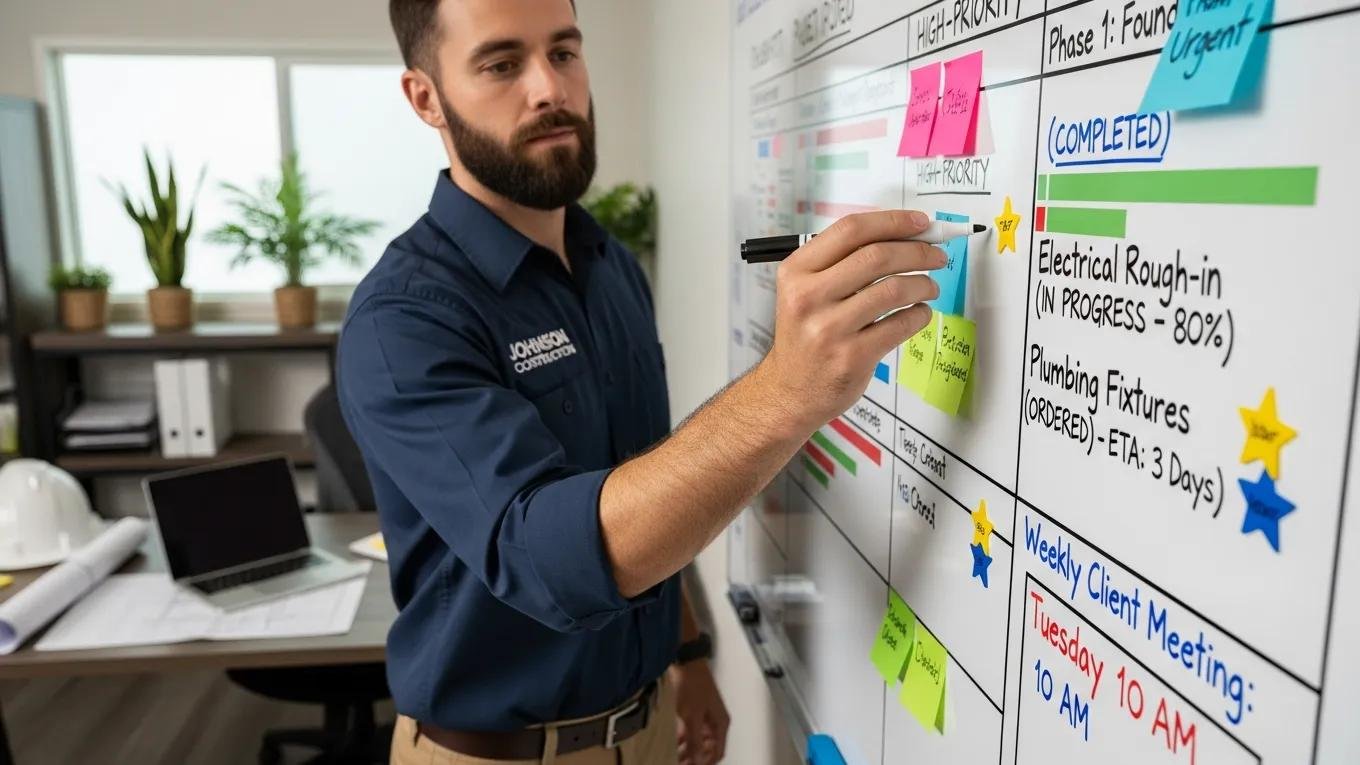
Implementing best practices for project status updates is essential for maintaining client satisfaction. Key practices include:
- Regular Communication: Schedule consistent updates to inform clients about project progress and any changes.
- Visual Documentation: Use photographs to document progress and share them with clients, providing visual reassurance of the work being done.
- Feedback Opportunities: Create opportunities for clients to provide feedback during the project, ensuring their concerns are addressed promptly.
Which Communication Tools and Templates Enhance Painting Project Coordination?
Utilizing effective communication tools and templates can significantly enhance project coordination. Consider the following:
- Project Management Software: Tools like Trello or Asana can help track project timelines and tasks, ensuring everyone is on the same page.
- Communication Platforms: Platforms like Slack or Microsoft Teams facilitate instant communication, allowing for quick updates and discussions.
- Photo Sharing Apps: Use apps like Dropbox or Google Drive to share photographic evidence of project progress, fostering transparency.
- Scheduling Tools: Tools like Calendly can assist in scheduling meetings or site visits, streamlining coordination.
How to Handle Feedback and Resolve Issues During Painting Projects?
Handling feedback and resolving issues effectively is crucial for maintaining client satisfaction. Strategies include:
- Proactive Updates: Provide regular updates to clients about project progress, helping to manage expectations.
- Open Channels for Feedback: Encourage clients to share their thoughts and concerns at any stage of the project, establishing a clear method for communication.
- Documentation: Keep detailed records of all communications and decisions made to track the project’s evolution.
Conflict Resolution Techniques
When conflicts arise, employing effective conflict resolution techniques can help maintain a positive relationship with clients:
- Active Listening: Listen attentively to client concerns without interrupting, acknowledging their feelings to show that their input is valued.
- Empathy and Understanding: Approach conflicts with empathy, expressing a genuine desire to resolve issues to the client’s satisfaction.
- Solution-Oriented Approach: Focus on finding solutions rather than assigning blame, involving clients in the decision-making process.
- Timely Responses: Address issues as soon as they arise to prevent frustrations from escalating.
Best Practices for Client Interactions
Maintaining professionalism and respect during client interactions is essential. Key practices include:
- Set Clear Expectations: Outline the scope of work, timelines, and communication expectations at the beginning of the project.
- Professionalism and Respect: Treat every interaction with professionalism, ensuring the work environment remains clean and organized.
- Follow-Up: After resolving an issue, follow up with the client to ensure they are satisfied with the solution, demonstrating commitment to customer satisfaction.
- Feedback Loop: Solicit feedback on the overall experience after project completion to improve future projects.
What Are Effective Feedback Loops Between Clients and Contractors?
Creating effective feedback loops between clients and contractors enhances communication and project outcomes. Here are steps to establish these loops:
- Establish Clear Communication Channels: Designate a single point of contact for the client to streamline communication.
- Regular Updates: Implement daily or weekly progress reports to keep clients informed about the project’s status.
- Feedback Mechanism: Create a structured way for clients to provide feedback, encouraging them to share their thoughts on the work completed.
- Scheduled Check-Ins: Arrange regular check-in meetings to discuss progress and any concerns, allowing for immediate resolution of issues.
- Documentation of Changes: Keep a detailed log of any changes requested by the client, ensuring transparency about how these changes will affect the timeline and budget.
- Addressing Issues Promptly: Respond quickly to client concerns with proposed solutions to maintain trust.
- Final Walkthrough: Conduct a final walkthrough with the client to review the completed work and address any last-minute concerns.
By implementing these strategies, painting contractors can create a positive feedback loop that enhances client satisfaction and fosters a collaborative working relationship throughout the project.