
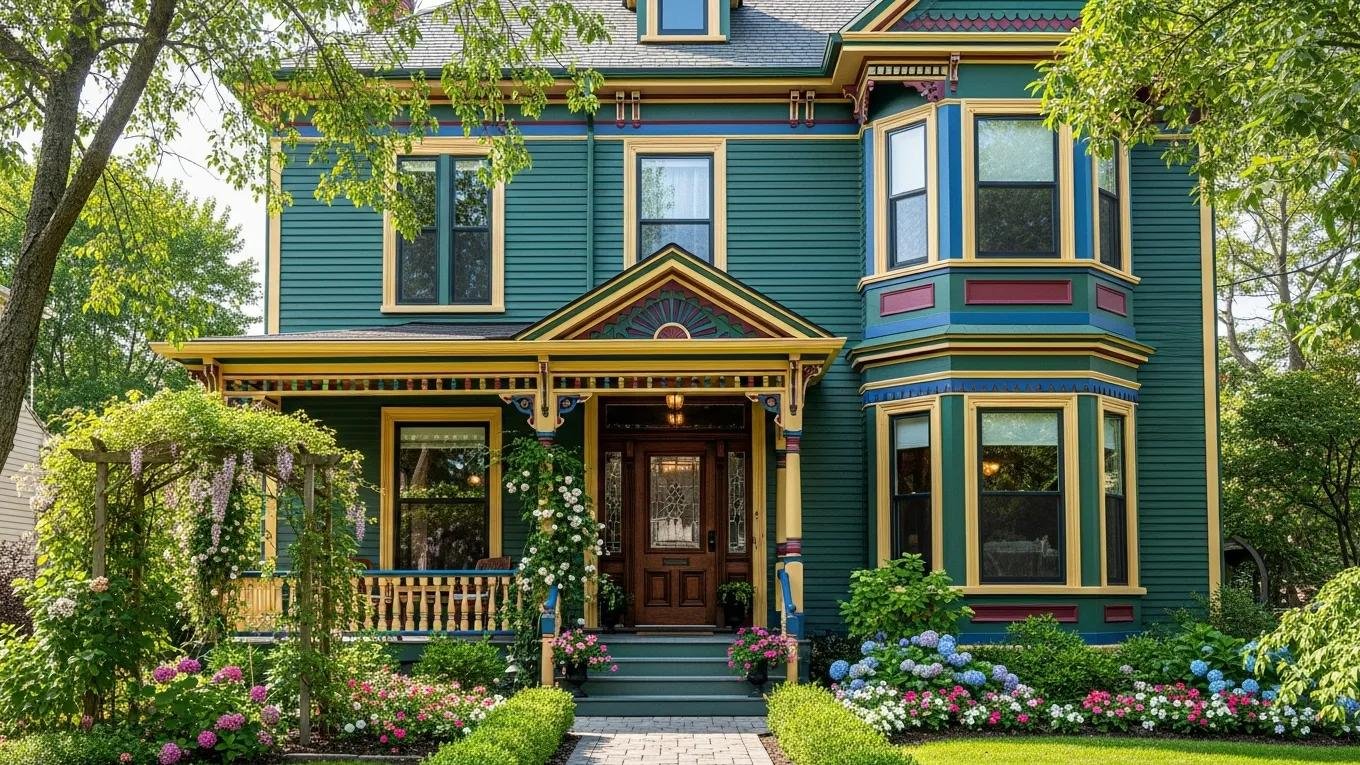
Approach to Painting Historic Properties: Essential Preservation Tips and Period Paint Colors
By Esteem Painting Team, Esteem Painting LLC
Painting historic properties requires a careful approach that respects the building’s architectural integrity and historical significance. This article provides essential tips for selecting period-appropriate colors and preservation techniques that enhance the beauty and longevity of historic homes. Readers will learn about the importance of authentic paint palettes, suitable paint types, and effective preservation methods. Many property owners face challenges in maintaining the aesthetic and structural integrity of their historic buildings. By following these guidelines, you can ensure that your restoration efforts are both respectful and effective. The article will cover how to choose period-appropriate paint colors, the best paint types and preservation techniques, safe preparation and removal of old paint, and key tips for maintaining historic property exteriors.
How to Choose Period Appropriate Paint Colors for Historic Homes?
Selecting the right paint colors for historic homes is crucial for preserving their character and value. Period-appropriate colors reflect the architectural style and historical context of the property, ensuring that any restoration work honors its heritage. Understanding the significance of authentic paint palettes and their application can greatly enhance the visual appeal of a historic property.
What Are Authentic Historic Paint Palettes and Their Significance?
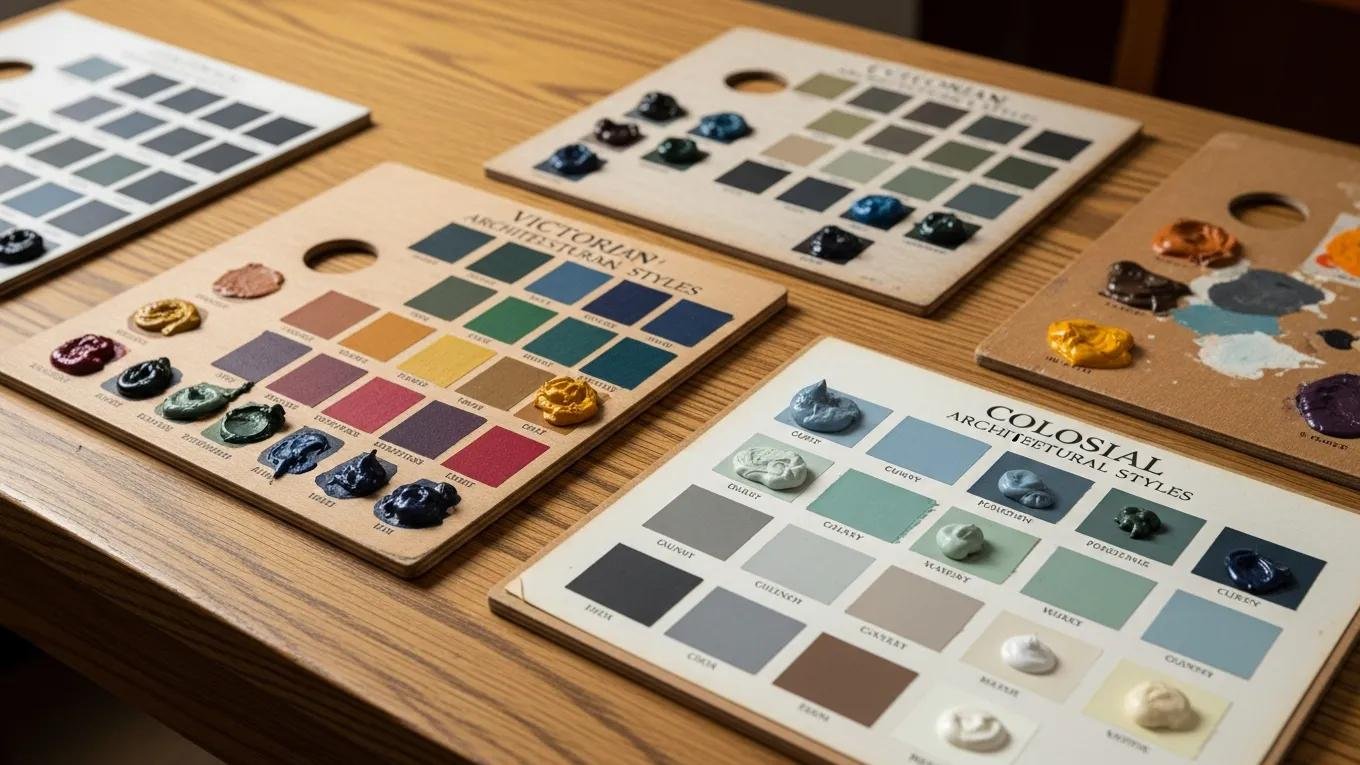
Authentic historic paint palettes are color schemes that reflect the styles and materials used during specific periods in history. These palettes are significant because they help maintain the historical accuracy of a property, which can enhance its value and appeal. For example, Victorian homes often featured rich, dark colors, while Colonial homes typically used lighter, muted tones. By adhering to these palettes, homeowners can preserve the integrity of their historic properties.
Which Color Palettes Suit Different Architectural Styles?
Different architectural styles call for distinct color palettes that complement their unique features. For instance, Federal-style homes often utilize soft pastels, while Craftsman-style homes may favor earthy tones. Visual examples of these styles can guide homeowners in selecting the most appropriate colors for their restoration projects. By understanding the relationship between color and architectural style, property owners can make informed decisions that enhance their home’s historical character.
What Paint Types and Preservation Techniques Best Protect Historic Surfaces?
Choosing the right paint types and preservation techniques is essential for protecting the surfaces of historic properties. The materials used must be compatible with the original construction to ensure longevity and prevent damage. This section explores suitable paint materials and effective preservation methods that can help maintain the beauty and integrity of historic homes.
Which Paint Materials Are Suitable for Historic Wood and Masonry?
When it comes to painting historic wood and masonry, specific materials are recommended for their compatibility and durability. For example, silicate mineral paints are ideal for masonry surfaces due to their breathability and adhesion properties. Limewash is another excellent option, offering an eco-friendly solution with antimicrobial properties. Additionally, mineral stains provide durability while allowing the substrate to breathe, making them suitable for various historic surfaces.
What Are Proven Paint Preservation Methods for Longevity?
To ensure the longevity of paint on historic properties, several proven preservation methods should be employed. These methods include proper surface preparation, moisture management, and regular maintenance. For instance, addressing underlying damage before painting is crucial, as it prevents future deterioration. Additionally, using specialized primers can enhance paint adhesion and durability, ensuring that the restoration work stands the test of time.
How to Safely Prepare and Remove Old Paint from Historic Buildings?
Preparing and removing old paint from historic buildings requires careful consideration to avoid damaging the underlying surfaces. This section provides guidance on safe methods for paint removal and surface preparation, ensuring that the historic integrity of the property is preserved throughout the process.
What Are Lead Paint Removal Safety Guidelines?
When dealing with lead paint, safety is paramount. Homeowners should follow strict guidelines to minimize health risks associated with lead exposure. This includes using appropriate safety equipment, such as masks and gloves, and ensuring proper disposal methods for lead-contaminated materials. By adhering to these safety measures, property owners can protect themselves and their families during the restoration process.
Which Surface Preparation Techniques Preserve Historic Integrity?
Effective surface preparation techniques are essential for maintaining the historic integrity of a property. Techniques such as professional power washing, hand-scraping, and sanding can help clean surfaces without causing damage. Addressing any underlying issues, such as rot or structural damage, is also critical before applying new paint. These preparation methods ensure that the new paint adheres properly and lasts longer, preserving the beauty of the historic property.
What Are Key Preservation Tips for Maintaining Historic Property Exteriors?
Maintaining the exterior of historic properties requires regular attention and care. This section outlines key preservation tips that can help homeowners monitor and maintain the durability of their paint and overall property condition.
How to Monitor and Maintain Paint Durability Over Time?
Regular inspections are vital for monitoring paint durability and identifying signs of deterioration. Homeowners should establish a routine inspection schedule to check for peeling, fading, or other issues that may arise. Implementing maintenance tips, such as cleaning surfaces and addressing minor repairs promptly, can significantly extend the life of the paint and protect the property from further damage.
What Are Recent Innovations in Eco-Friendly Preservation Paints?
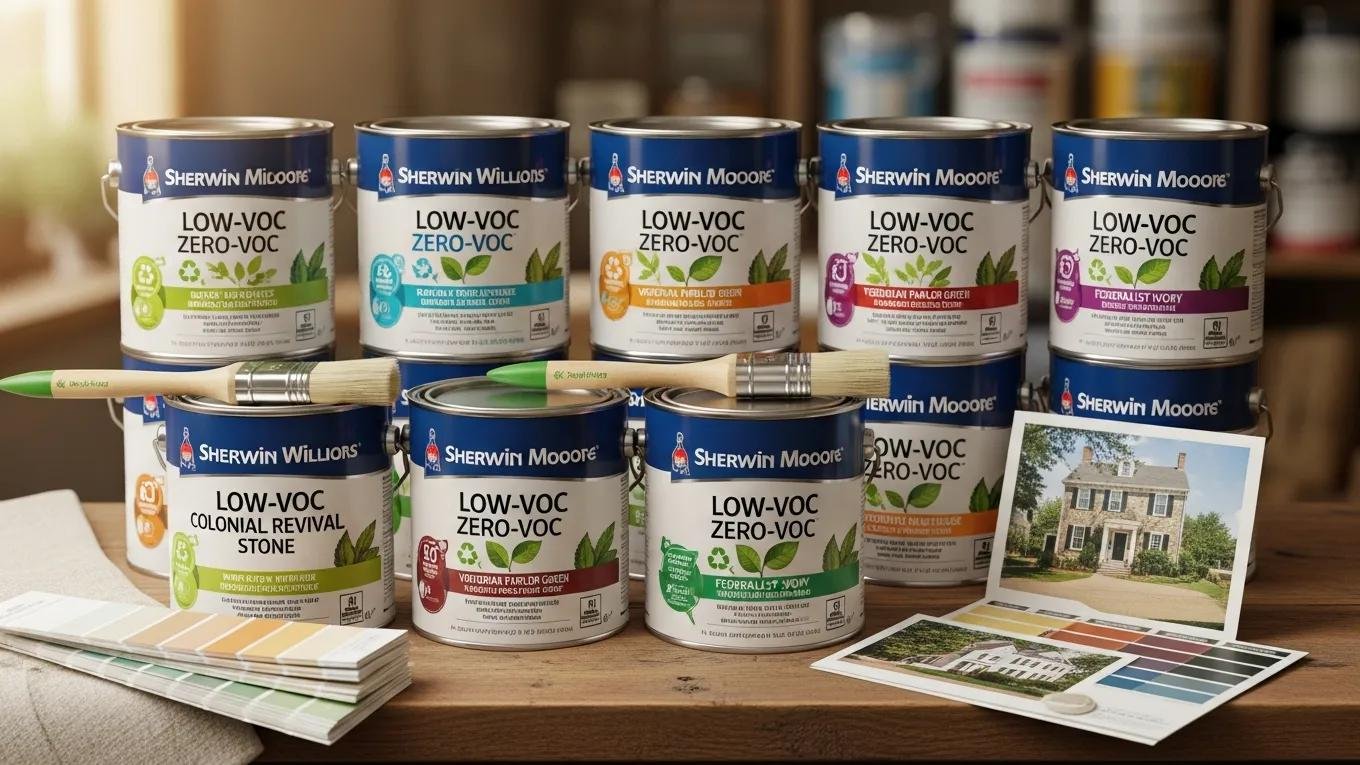
Recent advancements in eco-friendly preservation paints have made it easier for homeowners to maintain their historic properties while being environmentally conscious. Low-VOC and zero-VOC formulations are now standard, providing safer options for both the environment and the occupants. Brands like Sherwin-Williams and Benjamin Moore offer eco-friendly options that match the durability of traditional paints, allowing homeowners to preserve their properties without compromising on quality.