
Integrating Smart and Functional Paints in Homes: Benefits and Applications Explained
By Esteem Painting Team, Esteem Painting LLC
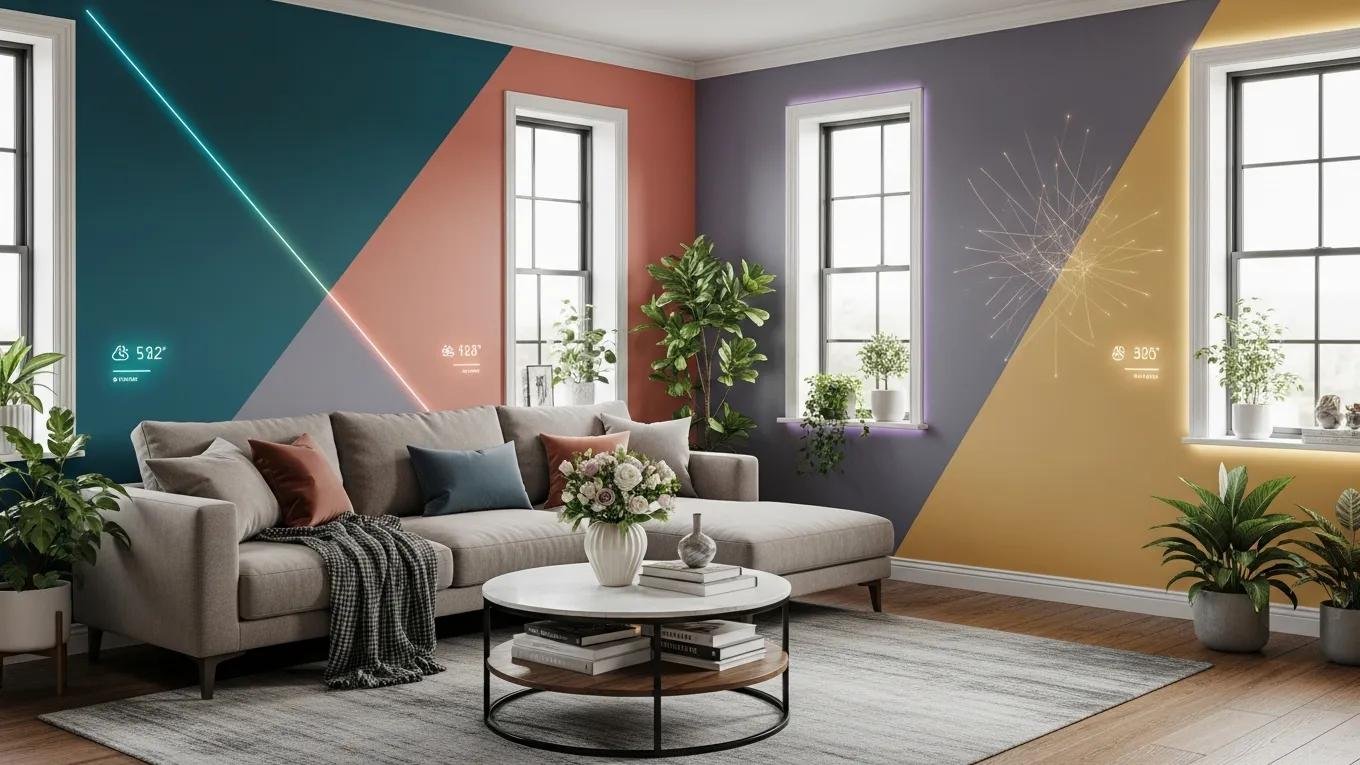
The integration of smart and functional paints in home environments represents a significant advancement in interior design and home maintenance. These innovative coatings not only enhance aesthetic appeal but also offer practical benefits such as antimicrobial properties, energy efficiency, and self-cleaning capabilities. Homeowners can expect to learn about the various types of smart and functional paints, their applications, and the specific advantages they bring to different areas of the home. As the demand for healthier and more efficient living spaces grows, understanding these advanced coatings becomes essential. This article will explore the benefits of antimicrobial paints, the features of functional coatings, the latest smart paint technologies, and practical tips for integration and maintenance.
What Are the Key Benefits of Antimicrobial Paints in Home Environments?
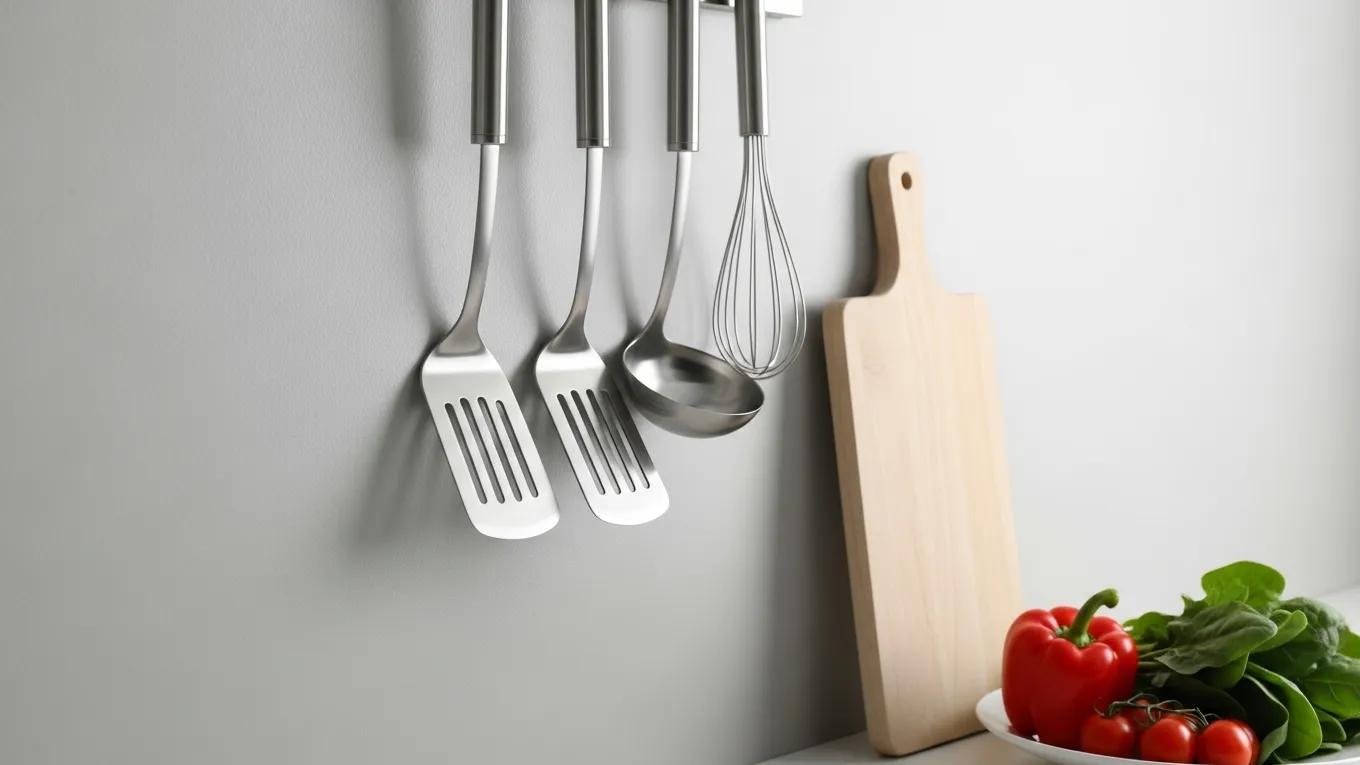
Antimicrobial paints are designed to inhibit the growth of harmful microorganisms, making them particularly beneficial in home environments. These coatings contain antimicrobial agents that actively reduce the presence of bacteria, mold, and mildew, contributing to improved indoor air quality and a healthier living space. The durability and longevity of these paints also mean that they can withstand the rigors of high-traffic areas, making them a practical choice for various rooms in the home.
How Do Antimicrobial Coatings Prevent Microbial Growth?
Antimicrobial coatings work by incorporating specific antimicrobial agents into the paint formulation. These agents disrupt the cellular processes of microorganisms, preventing their growth and reproduction. For instance, silver ions are commonly used due to their effectiveness in moisture-prone areas, such as kitchens and bathrooms, where mold and bacteria thrive. This mechanism not only protects surfaces but also contributes to a cleaner indoor environment.
Which Home Areas Benefit Most from Antimicrobial Paint Applications?
Certain areas of the home are particularly suited for antimicrobial paint applications due to their susceptibility to microbial growth. Key locations include:
- Kitchens: High moisture levels and food residues create an ideal environment for bacteria.
- Bathrooms: The combination of humidity and warmth makes bathrooms a hotspot for mold and mildew.
- High-Traffic Areas: Hallways and living rooms experience frequent contact, increasing the likelihood of dirt and germs.
By applying antimicrobial paints in these areas, homeowners can significantly reduce the risk of microbial contamination.
How Does Functional Paint Technology Enhance Home Comfort and Protection?
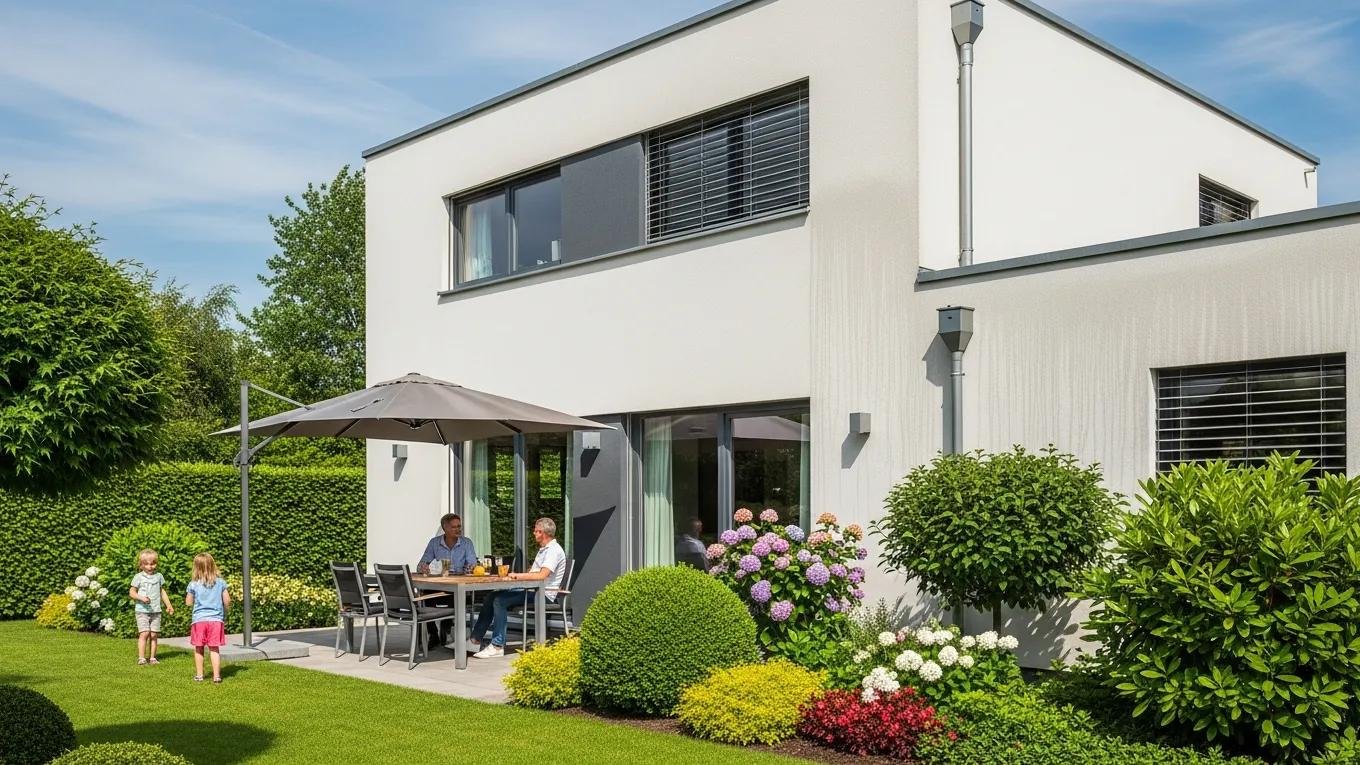
Functional paint technology encompasses a range of coatings that provide additional benefits beyond aesthetics. These paints can enhance home comfort by offering features such as thermal insulation, moisture resistance, and self-cleaning properties. By integrating these functional coatings, homeowners can improve the overall durability and livability of their spaces.
What Thermal and Moisture Resistance Features Do Functional Coatings Provide?
Functional coatings often include thermal insulating properties that help regulate indoor temperatures, leading to energy savings. Additionally, moisture-resistant paints create breathable barriers that prevent the accumulation of dampness, reducing the risk of mold growth. Elastomeric coatings, for example, are particularly effective in protecting exterior surfaces from moisture infiltration, thereby extending the lifespan of the underlying materials.
How Do Self-Cleaning Coatings Improve Home Maintenance?
Self-cleaning coatings utilize advanced nanotechnology to create surfaces that repel dirt and grime. These coatings can significantly reduce the frequency of cleaning required, as they allow dirt to wash away with rain or water. This feature not only saves time and effort for homeowners but also helps maintain the appearance of surfaces over time, making them an attractive option for busy households.
What Are the Latest Smart Paint Applications for Energy Efficiency and Sensor Integration?
Smart paint technologies are at the forefront of innovation, offering solutions that enhance energy efficiency and integrate seamlessly with modern home automation systems. These paints can adapt to environmental changes, providing homeowners with greater control over their living spaces.
How Do Electrochromic and Photochromic Paints Adapt to Environmental Changes?
Electrochromic and photochromic paints are designed to change color or opacity in response to environmental stimuli, such as light or temperature. For instance, photochromic paints darken when exposed to sunlight, helping to reduce glare and heat inside the home. This adaptability not only enhances comfort but also contributes to energy savings by minimizing the need for artificial lighting and cooling.
What Sensor Technologies Are Embedded in Smart Paints for Homes?
Smart paints can incorporate various sensor technologies that monitor environmental conditions, such as temperature, humidity, and air quality. These sensors can provide real-time data to homeowners, allowing for proactive adjustments to heating, cooling, and ventilation systems. By integrating these technologies, homeowners can create a more responsive and efficient living environment.
How Can Homeowners Effectively Integrate and Maintain Smart and Functional Paints?
Integrating smart and functional paints into home environments requires careful planning and execution. Homeowners should consider surface preparation, application techniques, and ongoing maintenance to ensure the longevity and effectiveness of these advanced coatings.
What Are the Best Application Techniques for Smart and Functional Paints?
Proper application techniques are crucial for achieving the best results with smart and functional paints. Homeowners should follow these steps:
- Surface Preparation: Ensure surfaces are clean, dry, and free of contaminants.
- Priming: Use a suitable primer to enhance adhesion and performance.
- Application: Apply the paint evenly using brushes, rollers, or sprayers, following the manufacturer’s instructions.
By adhering to these techniques, homeowners can maximize the benefits of their chosen coatings.
How Should Homeowners Maintain These Advanced Coatings for Longevity?
Maintaining smart and functional paints involves regular cleaning and inspections. Homeowners should:
- Clean Surfaces: Use mild detergents and soft cloths to avoid damaging the coatings.
- Inspect for Damage: Regularly check for signs of wear or damage and address any issues promptly.
- Reapply as Needed: Depending on the product, some coatings may require reapplication to maintain their effectiveness.
By following these maintenance practices, homeowners can ensure the longevity and performance of their smart and functional paints.
This table highlights the distinct features and benefits of various smart and functional paints, showcasing their contributions to healthier and more efficient home environments.