When to Use Spray Equipment vs Traditional Methods: Choosing the Best Painting Technique for Your Project
By Esteem Painting Team, Esteem Painting LLC
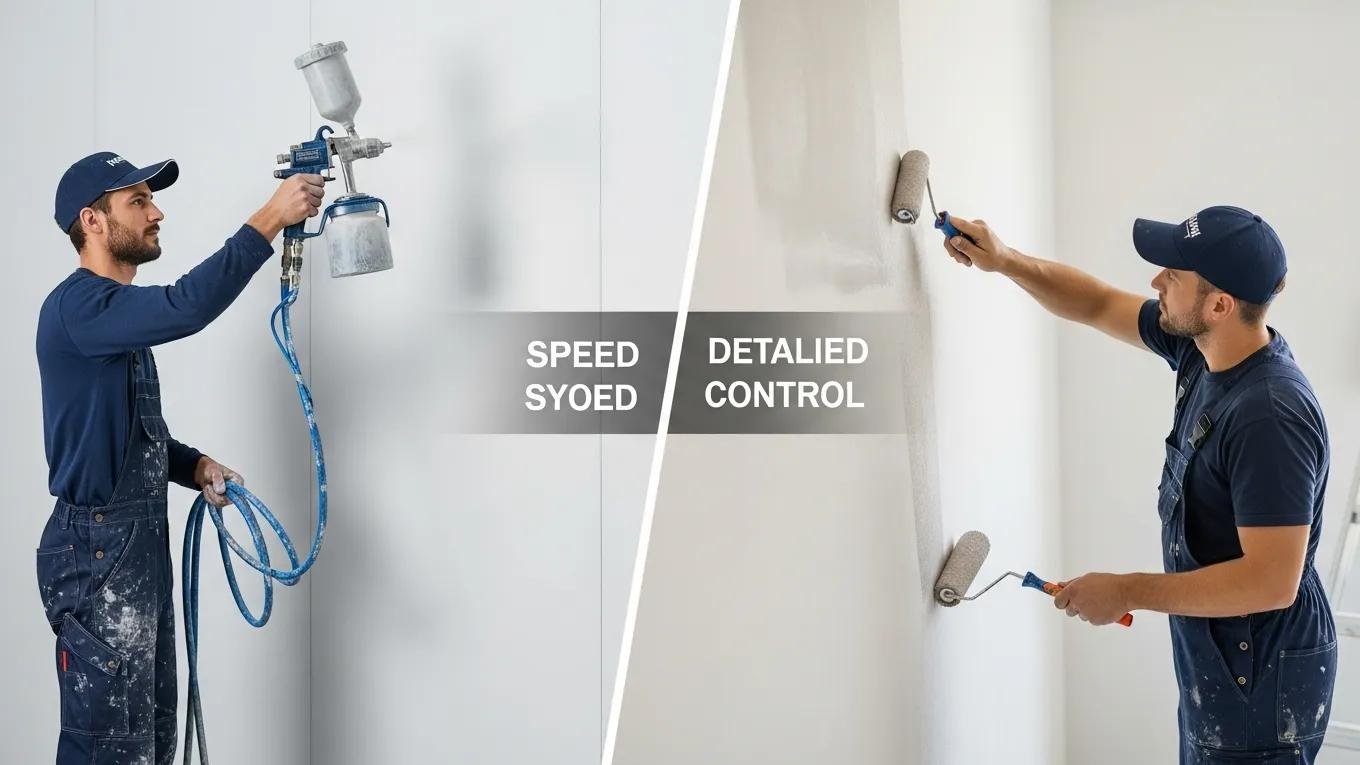
Selecting the right painting technique can significantly impact the outcome of your project. Understanding when to use spray equipment versus traditional methods like brushes and rollers is crucial for achieving the desired finish and efficiency. This article will explore the advantages of airless paint sprayers, the benefits and limitations of brush and roller painting, and how to decide which method is best for your specific needs. Additionally, we will discuss environmental and safety considerations associated with each technique. By the end of this guide, you will have a clearer understanding of the best painting approach for your project.
What Are the Key Advantages of Using Airless Paint Sprayers?
Airless paint sprayers offer several advantages that make them a preferred choice for many painting projects. These sprayers are designed to efficiently cover large areas with a high-quality finish, significantly reducing the time required for application. The atomization of paint allows for a smooth application, which minimizes the number of coats needed and is ideal for detailed work.
How Do Airless Sprayers Improve Painting Efficiency and Coverage?
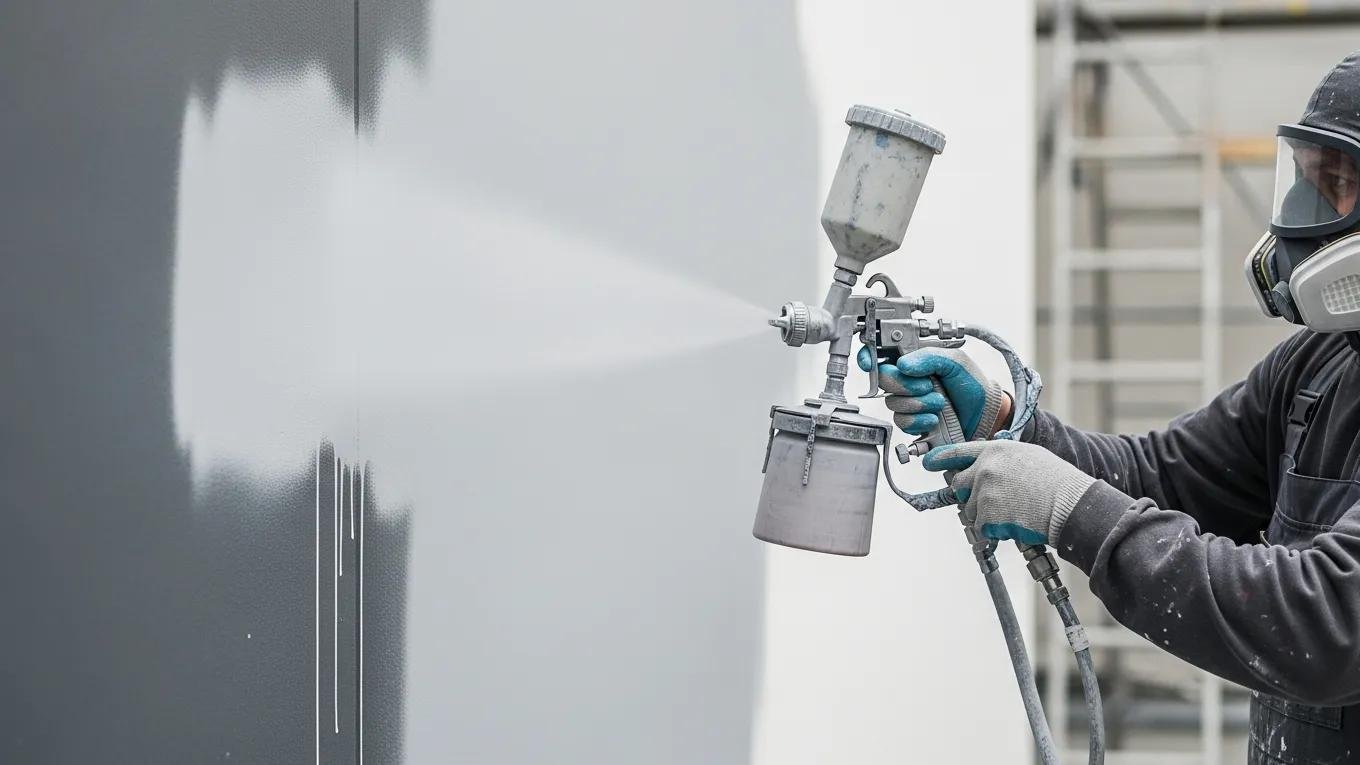
Airless sprayers enhance painting efficiency by atomizing the paint into fine particles, which ensures even coverage across surfaces. This method allows for faster application, especially on large projects, as it can cover more area in less time compared to traditional methods. For instance, when painting a large wall or exterior surface, an airless sprayer can complete the job in a fraction of the time it would take with a brush or roller. This efficiency is particularly beneficial for contractors and DIY enthusiasts looking to save time without compromising quality.
Understanding the concept of transfer efficiency is crucial for maximizing the benefits of airless sprayers and minimizing waste.
Understanding Airless Painting Transfer Efficiency
Spray transfer efficiency (TE) is defined as the mass fraction of sprayed paint which is deposited on the intended target, the remainder of the sprayed paint becomes undesirable overspray. The relationship between TE and gun supply pressure (or paint mass flow rate), gun-to-target distance, gun traverse speed, the angle of the spray gun relative to the target (gun-to-target angle), plus spray cone angle is reported herein for a typical fan spray system.
Transfer efficiency for airless painting systems, MW Plesniak, 2004
What Maintenance Is Required for Spray Painting Equipment?
Maintaining spray painting equipment is essential for ensuring optimal performance and longevity. Regular cleaning procedures should be followed after each use to prevent paint buildup, which can clog the sprayer. Additionally, inspecting parts for wear and tear is crucial, as damaged components can affect the sprayer’s efficiency. Proper storage recommendations, such as keeping the equipment in a dry place, also help maintain its condition and functionality.
What Are the Benefits and Limitations of Brush and Roller Painting?
Brush and roller painting methods have their own set of benefits and limitations. These traditional techniques are often favored for their precision and control, making them ideal for detailed work and smaller projects. However, they can be more time-consuming and labor-intensive compared to spray methods.
How Do Brush and Roller Methods Offer Precision and Control?
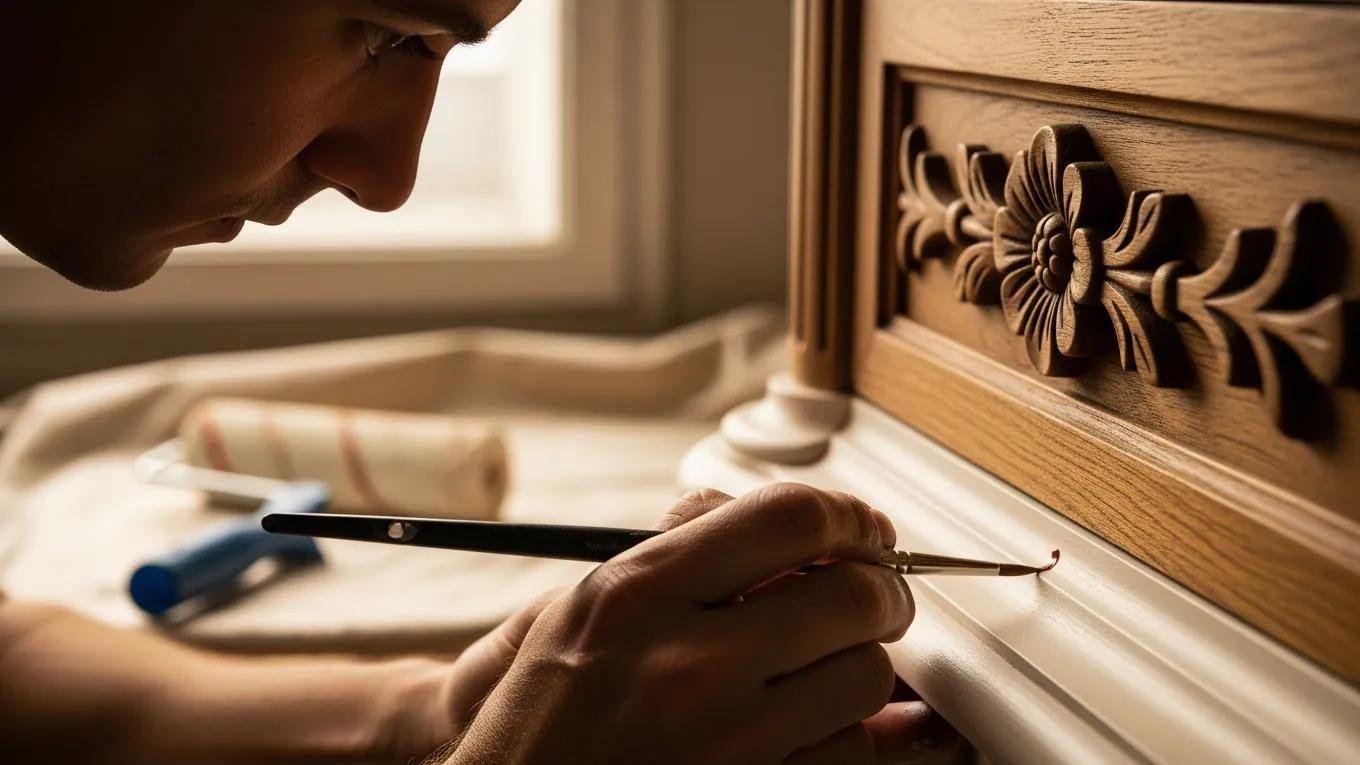
Brush and roller methods provide excellent precision, especially when working on intricate areas or edges. The ability to control the amount of paint applied allows for detailed work, such as cutting in around trim or corners. This level of control is particularly advantageous for projects that require a high degree of accuracy, such as painting furniture or cabinetry.
Which Surfaces Are Best Suited for Traditional Painting Methods?
Traditional painting methods are best suited for textured surfaces, where brushes can effectively reach into crevices and provide a smooth finish. Rollers are ideal for large flat surfaces, such as walls and ceilings, where they can cover more area quickly. However, for surfaces that require a flawless finish, such as metal or smooth wood, spray painting may be more effective.
How to Decide Between Spray Equipment and Traditional Methods for Your Project?
Choosing between spray equipment and traditional methods depends on several factors, including project size, surface texture, and desired finish. Understanding these considerations can help you make an informed decision.
When Should You Use an Airless Sprayer Instead of a Brush or Roller?
Airless sprayers are particularly beneficial for large-scale projects where speed and efficiency are paramount. They are ideal for achieving high-end finishes on surfaces that require a smooth application, such as doors and cabinets. If time is a critical factor, or if you are working on a project that involves extensive surface area, an airless sprayer is the preferred choice.
What Are the Cost and Time Efficiency Comparisons Between Methods?
When comparing the cost and time efficiency of spray versus traditional methods, several factors come into play.
This table illustrates that while the initial investment for spray equipment may be higher, the overall savings in labor costs and time can make it a more economical choice for larger projects.
What Are the Environmental and Safety Considerations for Spray vs Traditional Painting?
Both spray and traditional painting methods come with environmental and safety considerations that should be taken into account. Understanding these factors can help you choose a method that aligns with your values and safety requirements.
How Do Painting Methods Impact Environmental Sustainability?
The environmental impact of painting methods varies significantly. Spray painting can produce volatile organic compounds (VOCs) that contribute to air pollution, while traditional methods may use paints with lower VOC levels. Eco-friendly paint options are available for both methods, allowing for more sustainable choices.
What Safety Precautions Are Needed for Spray Equipment and Traditional Tools?
Safety precautions are essential when using both spray equipment and traditional tools. For spray painting, it is crucial to wear protective gear, such as masks and goggles, to prevent inhalation of fumes and contact with paint. Adequate ventilation is also necessary to ensure a safe working environment. For traditional methods, using drop cloths and ensuring proper handling of materials can help minimize risks.