
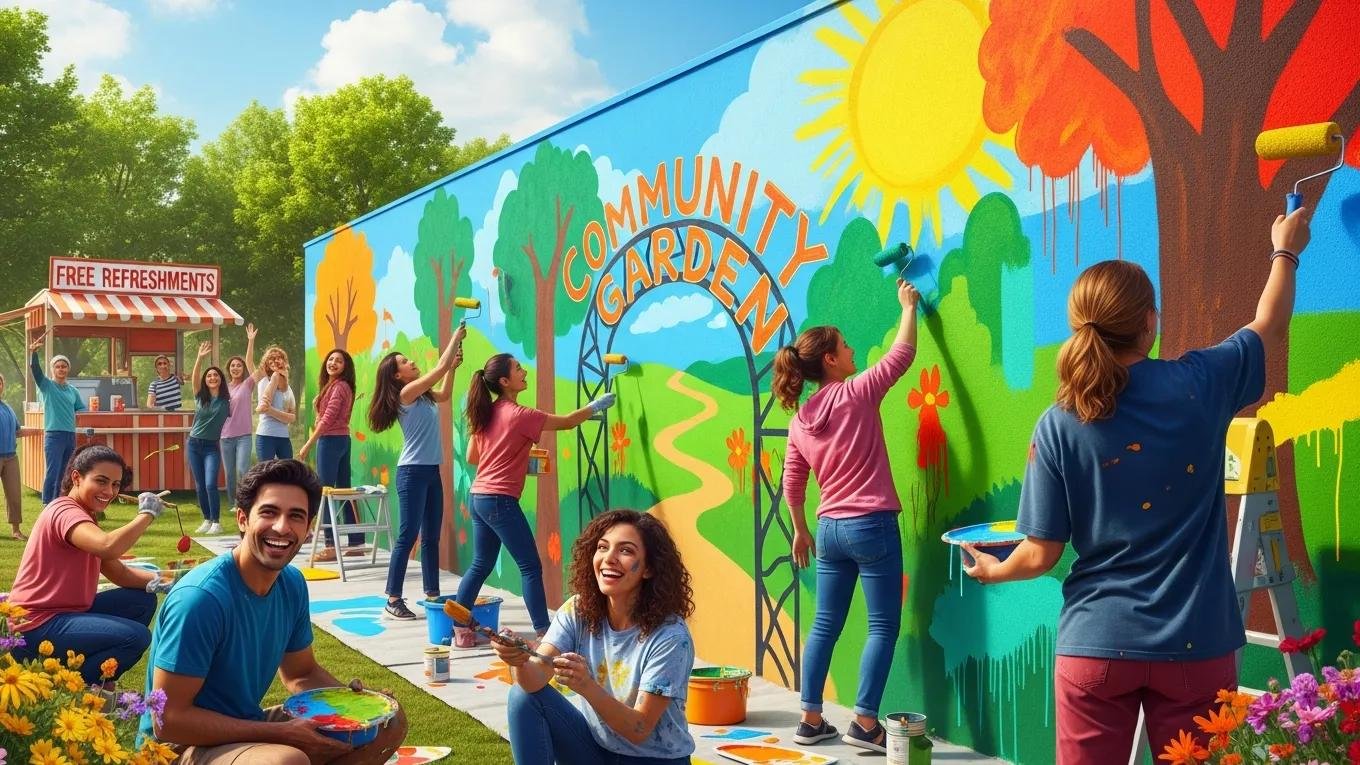
How to Organize Volunteer Paint Days for Local Causes: A Step-by-Step Volunteer Event Planning Guide
By Esteem Painting Team, Esteem Painting LLC
Organizing volunteer paint days for local causes is a rewarding way to engage the community while beautifying public spaces. This guide will provide you with essential strategies to recruit volunteers, manage logistics, ensure safety, and integrate fundraising efforts. By the end of this article, you will have a comprehensive understanding of how to effectively plan and execute a successful volunteer paint day event. Many communities face challenges in mobilizing volunteers and securing necessary resources, but with the right approach, these obstacles can be overcome. We will explore key areas such as volunteer recruitment, logistics, safety protocols, and community impact, ensuring your event is both enjoyable and impactful.
The power of arts-based events extends beyond beautification, as demonstrated by initiatives that leverage painting for community education and engagement.
Arts-Based Community Engagement: Paint Event Model
In 2024, the Community Outreach and Engagement (COE) Department at the John Theurer Cancer Center launched “Paint and Sip,” an arts-based cancer education series designed to increase engagement and awareness in diverse communities. Events were held in accessible, non-clinical venues and combined guided painting sessions with culturally tailored cancer education, delivered by trained community health workers (CHWs). The Paint and Sip model illustrates the promise of arts-based engagement as a novel strategy for advancing cancer education and screening in underserved communities. By embedding creativity into health education, the model fosters trust, enhances message retention, and bridges awareness with action.
“Paint and Sip for Cancer Prevention”: A Novel Arts-Based Community Engagement Strategy to Advance Cancer Education and Screening in Underserved Individuals, L Carter-Bawa, 2025
How do I recruit and coordinate volunteers for community paint day events?
Recruiting and coordinating volunteers is crucial for the success of any community paint day. Effective strategies can help you gather a dedicated group of individuals eager to contribute their time and skills.
What are effective volunteer recruitment strategies for nonprofit paint days?
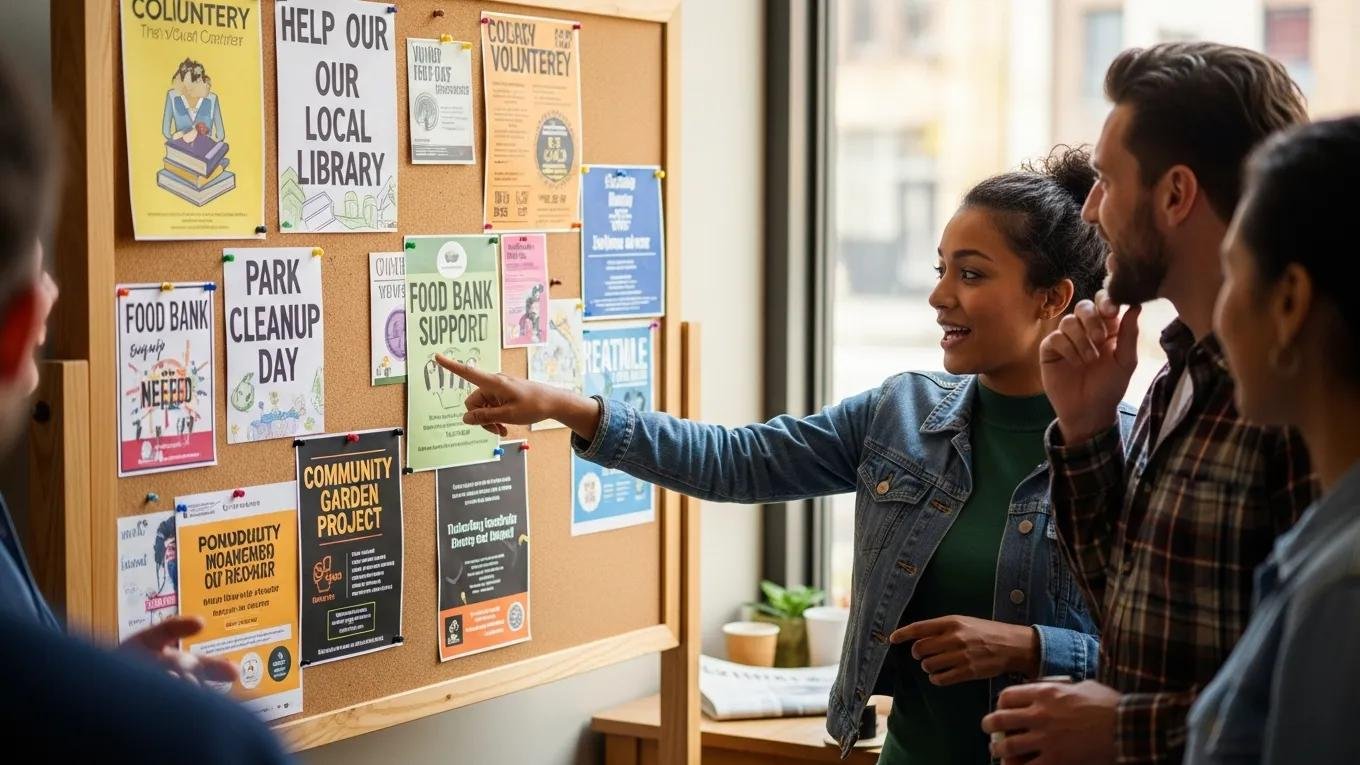
To successfully recruit volunteers for nonprofit paint days, consider the following strategies:
- Utilizing Social Media: Leverage platforms like Facebook, Instagram, and Twitter to spread the word about your event. Create engaging posts that highlight the benefits of volunteering and share stories from past events.
- Engaging Local Community Boards: Reach out to local community boards and organizations that may have members interested in volunteering. This can include schools, churches, and civic groups.
- Creating Appealing Volunteer Opportunities: Make the volunteering experience attractive by offering incentives such as free meals, community service hours, or recognition in local media.
These strategies can help you build a strong volunteer base, ensuring your paint day is well-staffed and organized.
How to assign volunteer roles and responsibilities during paint day events?
Assigning clear roles and responsibilities is essential for smooth operations during paint day events. Here are some effective methods:
- Identifying Skills and Interests: Before the event, gather information about volunteers’ skills and interests to match them with appropriate roles, such as painting, logistics, or community outreach.
- Creating a Role Assignment Plan: Develop a plan that outlines each volunteer’s responsibilities, ensuring everyone knows what is expected of them.
- Ensuring Clear Communication: Maintain open lines of communication before and during the event. Use group chats or emails to keep everyone informed about their roles and any changes.
By effectively assigning roles, you can enhance the efficiency and enjoyment of the event for all participants.
What are the essential logistics and supplies needed for successful paint day planning?
Logistical considerations are vital for the success of your paint day. Proper planning ensures that all necessary supplies are available and that the event runs smoothly.
Which paint types and materials are best for outdoor community projects?
When selecting paint types and materials for outdoor community projects, consider the following:
- Low-VOC and Zero-VOC Paints: These environmentally friendly options minimize harmful emissions, making them safer for both volunteers and the environment.
- Recommended Brands: Look for reputable brands known for their durability and coverage, such as Sherwin-Williams or Behr.
- Durability and Surface Suitability: Choose paints that are specifically designed for outdoor use to withstand weather conditions and ensure long-lasting results.
Selecting the right materials is crucial for achieving a successful and sustainable outcome.
How to create a comprehensive supplies checklist and manage event logistics?
Creating a detailed supplies checklist and managing logistics effectively can streamline your paint day planning. Here are some steps to follow:
- Creating a Detailed Supplies List: List all necessary items, including paint, brushes, rollers, drop cloths, and safety gear. Ensure you have enough supplies for all volunteers.
- Logistics Management Strategies: Plan for transportation of supplies to the event site and establish a setup timeline to ensure everything is ready before volunteers arrive.
- Event Timeline Creation: Develop a timeline that outlines the event’s schedule, including setup, painting, and cleanup phases, to keep everyone on track.
By managing logistics effectively, you can create a seamless experience for volunteers and maximize the impact of your paint day.
What safety guidelines and protocols should be followed during volunteer paint days?
Safety is paramount during volunteer paint days to protect participants and ensure a positive experience. Implementing proper safety guidelines can help mitigate risks.
Which safety equipment and paint safety measures are required for volunteers?

To ensure volunteer safety, provide the following equipment and measures:
- Types of Safety Equipment: Supply volunteers with gloves, masks, and goggles to protect against paint fumes and splashes.
- Safety Measures During Painting: Establish clear guidelines for safe painting practices, such as working in well-ventilated areas and avoiding direct contact with skin.
- Importance of Training: Conduct a brief training session before the event to educate volunteers on safety protocols and the proper use of equipment.
These measures will help create a safe environment for all participants.
How to train volunteers on safety and ensure compliance during events?
Training volunteers on safety protocols is essential for compliance and risk management. Here’s how to effectively train your team:
- Training Session Structure: Organize a short training session that covers all safety protocols, including the use of equipment and emergency procedures.
- Compliance Monitoring: Assign a safety officer to monitor compliance during the event, ensuring that all volunteers adhere to safety guidelines.
- Feedback Mechanisms: Encourage volunteers to provide feedback on safety practices, allowing for continuous improvement in future events.
By prioritizing safety training, you can foster a culture of responsibility and care among volunteers.
How can fundraising and community impact be integrated into volunteer paint day events?
Integrating fundraising efforts into your volunteer paint day can enhance community impact and support future initiatives. Here are some strategies to consider:
What fundraising strategies support nonprofit paint day initiatives?
To support your nonprofit paint day initiatives, consider these fundraising strategies:
- Crowdfunding Options: Utilize platforms like GoFundMe to raise funds for supplies and materials, allowing community members to contribute easily.
- Local Business Sponsorships: Approach local businesses for sponsorship opportunities in exchange for advertising at the event, helping to cover costs.
- Community Events: Host pre-event fundraising activities, such as bake sales or car washes, to engage the community and raise additional funds.
These strategies can help secure the necessary resources for your paint day while fostering community involvement.
How to measure and share community impact stories from paint day projects?
Measuring and sharing the impact of your paint day projects is essential for demonstrating success and encouraging future participation. Here’s how to do it:
- Impact Metrics to Track: Collect data on the number of volunteers, hours worked, and areas painted to quantify the event’s success.
- Storytelling Techniques: Capture photos and testimonials from volunteers and community members to create compelling narratives about the event’s impact.
- Engaging the Community: Share these stories through social media, newsletters, and local media outlets to highlight the positive effects of the paint day and inspire others to get involved.
By effectively measuring and sharing your impact, you can build momentum for future initiatives and strengthen community ties.