
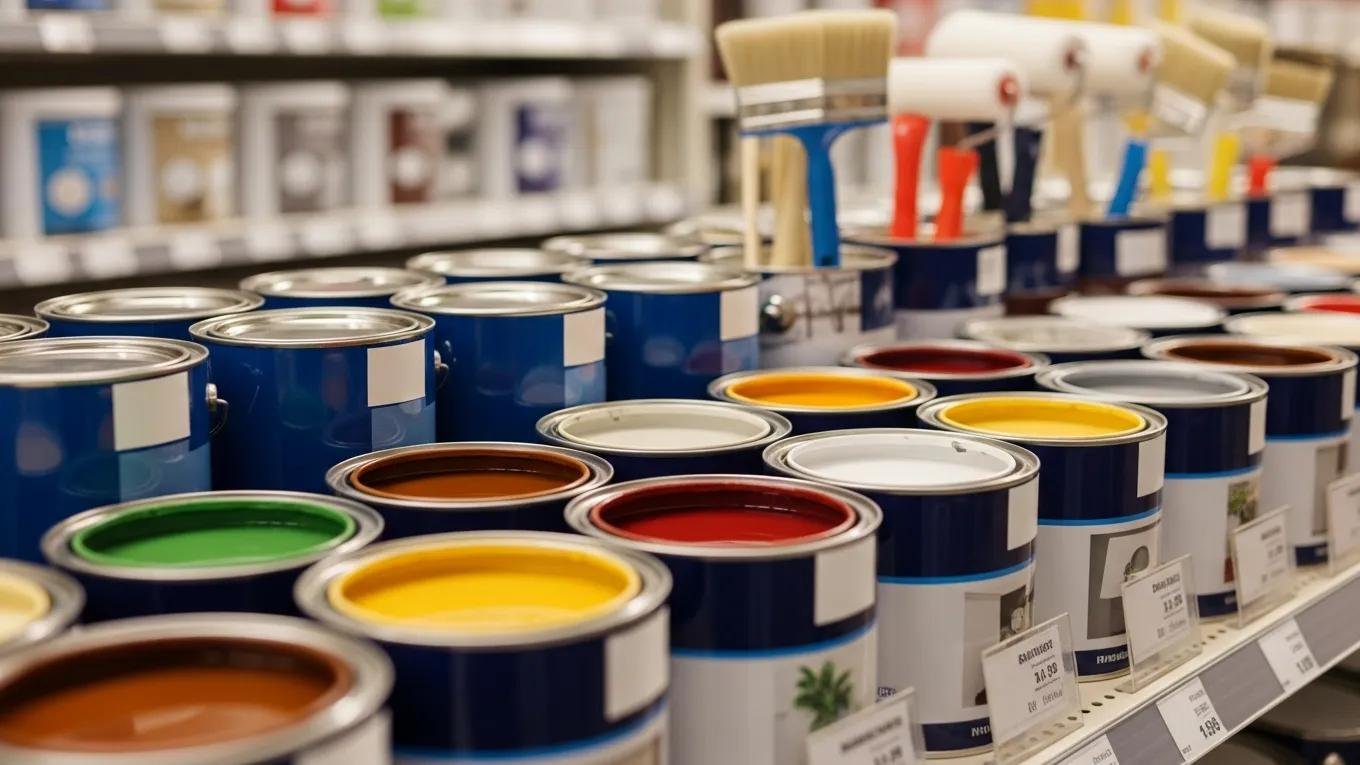
Balancing Paint Cost and Durability: How to Choose the Best Paint for Long-Term Value
By Esteem Painting Team, Esteem Painting LLC
Choosing the right paint for your project involves more than just selecting a color; it requires a careful balance between cost and durability. Many homeowners and professionals alike often face the dilemma of whether to opt for cheaper paints that may require frequent reapplication or invest in higher-quality options that promise longevity. This article will guide you through the essential factors to consider when selecting paint, ensuring you make an informed decision that balances your budget with the need for durability. We will explore various aspects, including the relationship between price and longevity, performance and quality, maintenance requirements, and the specific technologies suited for different rooms. Additionally, we will delve into the types of paints available and their respective durability profiles, helping you understand how to analyze paint costs effectively.
Price vs. Longevity
The relationship between paint price and longevity is crucial for making a wise investment. Cheaper paints often lead to higher long-term costs due to their need for more frequent applications. In contrast, premium paints, while initially more expensive, can save money in the long run by reducing the frequency of repainting. For instance, a high-quality exterior paint may last up to 10 years, while a lower-cost option might require reapplication every 3-7 years. This difference in longevity can significantly impact your overall budget.
Performance and Quality
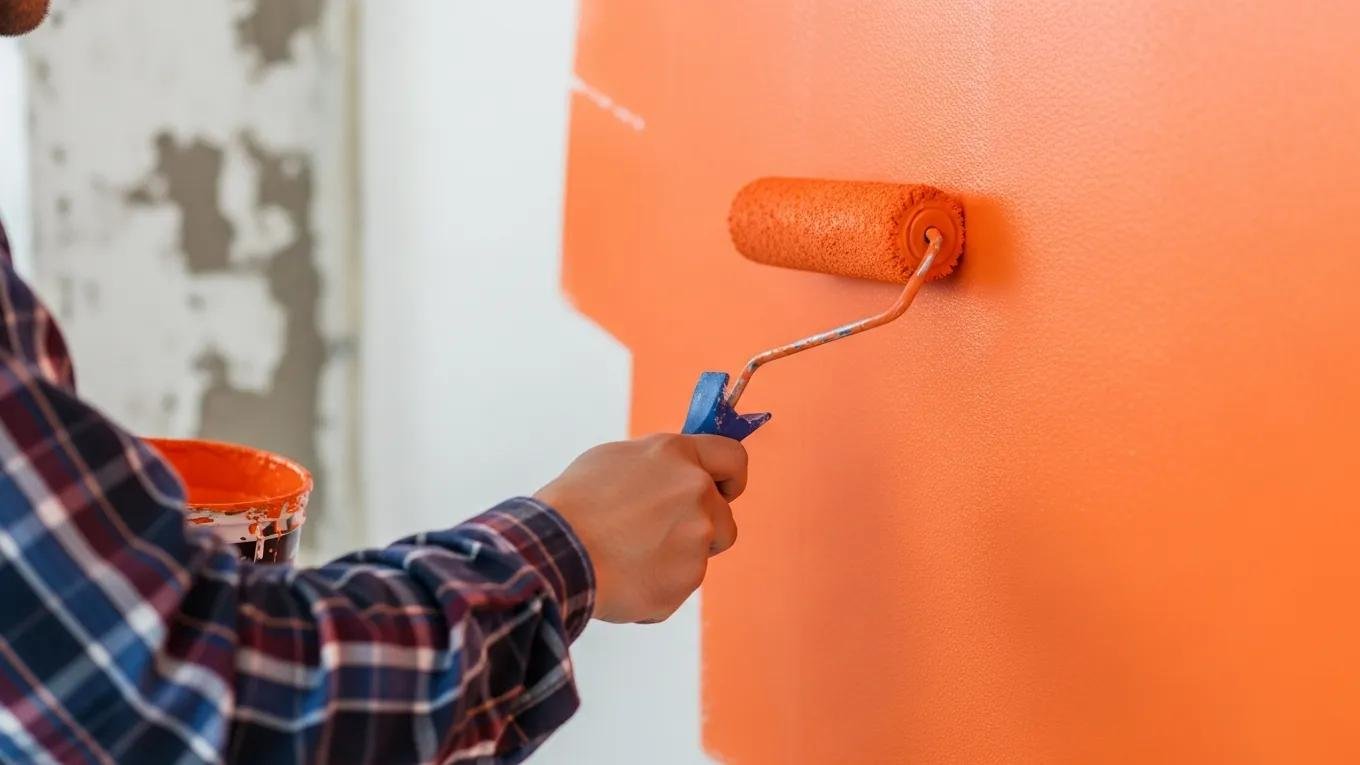
When selecting paint, performance and quality are paramount. High-performance coatings typically contain a higher ratio of solids, which enhances their durability and coverage. Brands like Sherwin-Williams and Benjamin Moore are often recommended for their superior quality and long-lasting results. The durability of paint is critical, as it determines how well the paint will withstand environmental factors and wear over time. Choosing a paint with proven performance can lead to significant savings and satisfaction in the long run.
Maintenance Requirements
Maintenance plays a vital role in extending the life of your paint. Regular upkeep can significantly prolong the lifespan of your paint job. For example, an annual soft wash can help maintain the finish and prevent dirt buildup, which can lead to premature wear. Additionally, selecting easy-to-clean paints can make maintenance less burdensome. Understanding the maintenance requirements of different paints will help you choose a product that fits your lifestyle and reduces long-term costs.
Room-Specific Technologies
Different rooms in your home may require specific paint formulations to ensure durability. For instance, kitchens and bathrooms often need moisture-resistant paints to prevent mold and mildew growth. High-traffic areas benefit from scuff-resistant finishes that can withstand wear and tear. By selecting the right paint for each room, you can enhance durability and maintain the aesthetic appeal of your home.
Surface Preparation
Proper surface preparation is essential for achieving optimal paint durability. This process includes cleaning, sanding, and priming surfaces before application. Skipping these steps can lead to premature paint failure, as inadequate preparation affects adhesion. Meticulous preparation ensures that the paint adheres properly, resulting in a longer-lasting finish. Investing time in surface preparation can save you money and effort in the long run.
Environmental Considerations
Choosing low-VOC or zero-VOC paints can benefit both your health and the environment. These paints improve indoor air quality while maintaining durability and performance. By opting for environmentally friendly options, you can create a healthier living space without compromising on the quality of your paint. This consideration is especially important for families with children or individuals with sensitivities to chemicals.
Professional Application
Hiring professionals for paint application can significantly improve the outcome of your project. Skilled painters understand the nuances of different paint types and application techniques, ensuring a flawless finish. Quality materials, combined with expert application, lead to longer-lasting results. When selecting a contractor, look for those with a strong reputation and positive reviews to ensure you receive the best service.
What Are the Main Paint Types and Their Durability Profiles?
Understanding the different types of paint and their durability profiles is essential for making an informed choice. The three main types of paint are latex, oil-based, and acrylic, each with unique characteristics and applications.
How Do Latex, Oil-Based, and Acrylic Paints Compare in Durability?
Latex paints are known for their flexibility and resistance to cracking, making them suitable for a variety of surfaces. Oil-based paints provide a hard finish that is durable but may yellow over time. Acrylic paints are versatile and offer excellent durability, making them ideal for both interior and exterior applications. Each type has its strengths, and the choice depends on the specific needs of your project.
Which Paint Type Offers the Best Longevity for Different Surfaces?
When considering longevity, oil-based paints generally last longer than latex options, particularly in high-traffic areas. Acrylic paints are also suitable for these environments due to their durability and resistance to fading. Ultimately, the longevity of paint depends on proper surface preparation and application techniques, which can enhance the performance of any paint type.
How to Analyze Paint Costs: Initial Price vs. Long-Term Investment
Analyzing paint costs involves comparing the initial price with long-term expenses. While cheaper paints may seem appealing, their shorter lifespan can lead to higher overall costs due to frequent reapplications. Calculating the cost per year of service can provide a clearer picture of the true value of your investment. Additionally, labor costs associated with painting should be factored into your total project cost.
What Are the Key Cost Components When Choosing Paint?
Several key components contribute to the overall cost of paint selection. Material and labor costs are the primary factors, but the quality of surface preparation also plays a significant role in durability. Hidden costs associated with cheaper options can be substantial, making it essential to consider the long-term implications of your choices.
How Does Paint Price Comparison Affect Your Overall Investment Value?
Comparing paint prices can significantly impact your overall investment value. While the initial cost is important, understanding how labor costs can outweigh material savings is crucial. Additionally, the quality of paint can affect resale value, making it a vital consideration for homeowners looking to maintain or increase their property value.
How to Calculate Paint ROI: Is Expensive Paint Worth the Cost?
Calculating paint ROI involves assessing the quality of paint and its impact on long-term value. Higher-quality paints often yield better returns due to their durability and reduced maintenance needs. Preparation and application quality are also critical factors that influence ROI, as they determine how well the paint performs over time.
What Methods Can You Use to Calculate Paint Return on Investment?
To effectively calculate paint ROI, consider factors such as quality, preparation, and environmental conditions. Evaluating maintenance impacts on ROI is also essential, as regular upkeep can extend the life of your paint job and reduce overall costs.
How Do Durability Ratings Impact Paint Investment Value?
Durability ratings are a crucial aspect of paint investment value. Higher durability often leads to lower long-term costs, as premium paints can save money over time. When selecting paint, consider durability ratings to ensure you make a wise investment that pays off in the long run.
What Maintenance Practices Extend Paint Longevity and Reduce Costs?
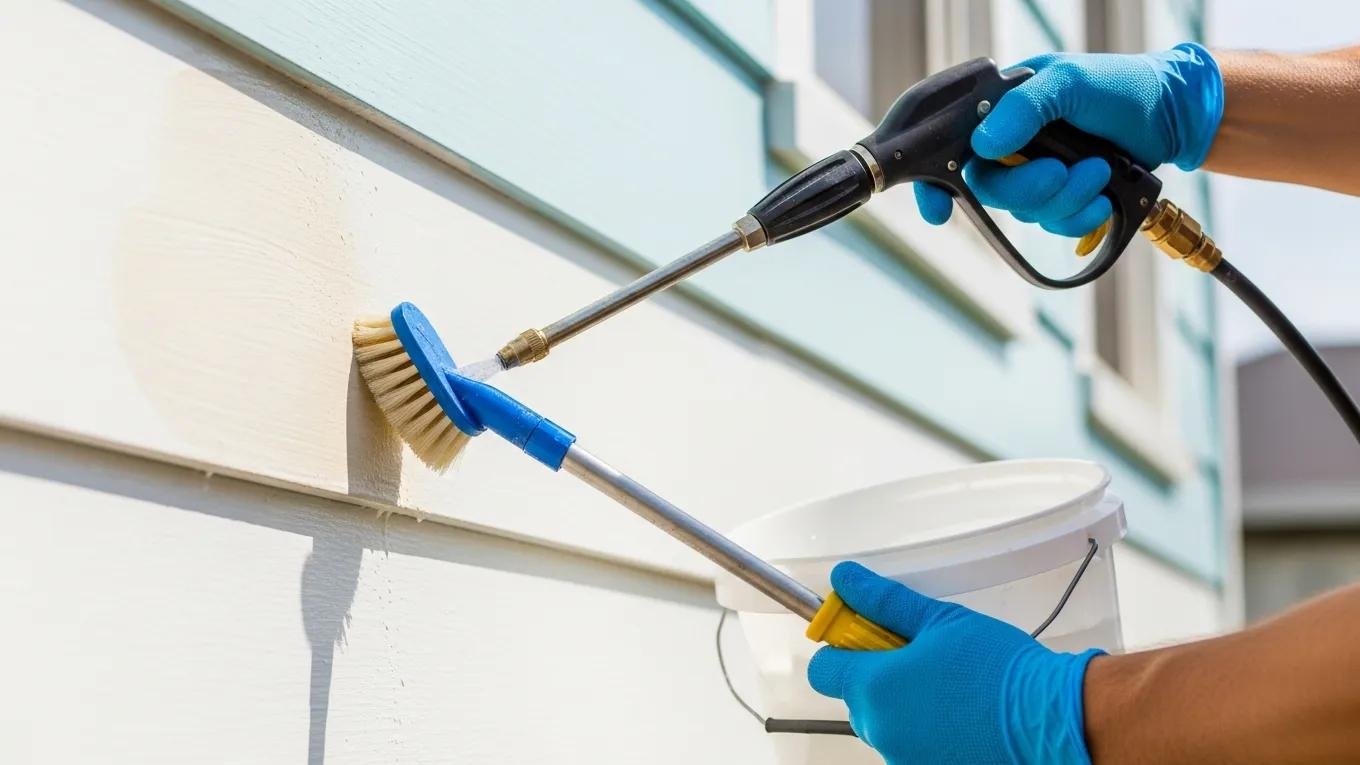
Implementing effective maintenance practices can significantly enhance paint longevity. Regular soft washing can extend the life of your paint, while proper surface preparation is critical for maintaining a durable finish. High-quality paints typically require less maintenance, making them a cost-effective choice over time.
Which Maintenance Tips Help Maximize Paint Durability?
To maximize paint durability, consider the following maintenance tips:
- Choose High-Quality Paint: Investing in premium paint can reduce the need for frequent reapplications.
- Regular Cleaning: Keeping surfaces clean helps prevent dirt buildup and wear.
- Prompt Repairs: Addressing minor repairs quickly can prevent more extensive damage and costly fixes.
How Does Regular Maintenance Influence Paint Cost Over Time?
Regular maintenance can significantly influence paint costs over time. By reducing the frequency of repainting, high-quality paints lead to lower long-term expenses. Proactive maintenance can also prevent extensive repairs, further enhancing the cost-effectiveness of your paint investment.
This table illustrates the durability profiles of different paint types, helping you make an informed decision based on your specific needs.
Choosing the right paint involves a careful analysis of cost, durability, and maintenance requirements. By understanding the various factors at play, you can select a paint that not only fits your budget but also provides long-lasting value for your investment.