Why Paint Fades and How to Restore Color: Understanding Causes and Effective Restoration Techniques
By Esteem Painting Team, Esteem Painting LLC
Paint is a vital element in enhancing the aesthetic appeal and protection of surfaces, but over time, it can fade due to various factors. Understanding why paint fades is crucial for homeowners and professionals alike, as it allows for effective restoration techniques to be employed. This article delves into the causes of paint fading, including UV damage, oxidation, and environmental factors, while also exploring proven methods for restoring color and maintaining vibrancy. By addressing these issues, readers will learn how to effectively combat paint discoloration and prolong the life of their paint jobs. The sections will cover the scientific reasons behind paint fading, restoration techniques, best practices for maintenance, and innovative products that enhance paint durability.
What Causes Paint to Fade: Exploring UV Damage, Oxidation, and Environmental Factors
Paint fading is primarily caused by a combination of UV damage, oxidation, and environmental factors. UV rays from the sun break down the chemical bonds in paint, leading to a loss of color and gloss. This degradation can significantly reduce the longevity of paint, especially in areas with high sun exposure. Additionally, oxidation occurs when paint is exposed to air and moisture, causing it to lose its vibrancy and integrity. Environmental factors such as pollution, humidity, and temperature fluctuations further exacerbate these issues, leading to premature fading and deterioration of paint surfaces.
How Does UV Damage Affect Paint Color and Longevity?
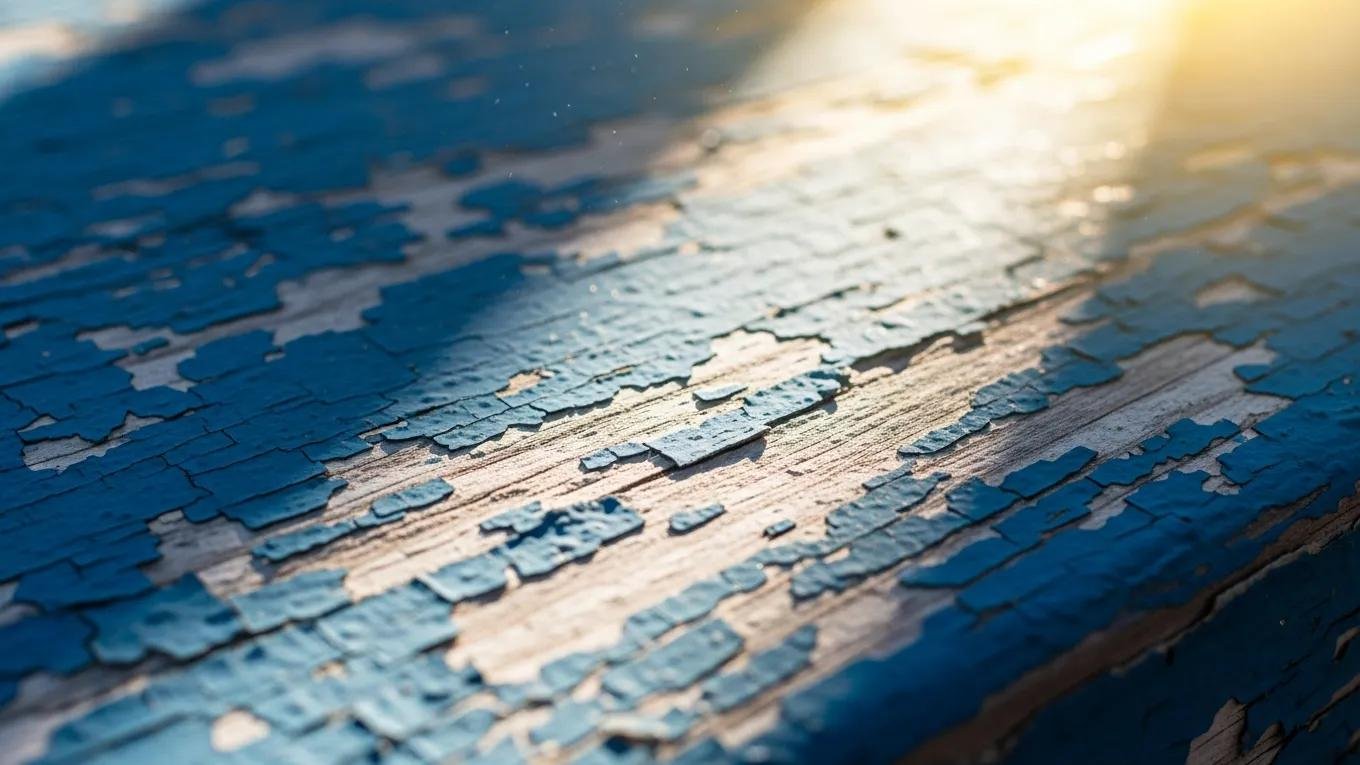
UV damage is a significant contributor to paint fading, as ultraviolet rays penetrate the paint layer and initiate chemical reactions that break down pigments and binders. High-quality paints often contain UV inhibitors that help resist this damage, allowing them to maintain their color and finish for longer periods. For instance, premium exterior paints can resist fading for over 5-10 years when properly applied. Understanding the impact of UV damage is essential for selecting the right paint products and ensuring long-lasting results.
In What Ways Does Oxidation Accelerate Paint Fading?
Oxidation accelerates paint fading through chemical reactions that degrade the paint’s components. When paint is exposed to oxygen and moisture, it undergoes a process that can lead to discoloration and a dull appearance. This process is often exacerbated by environmental factors such as high humidity and temperature changes, which can increase the rate of oxidation. Regular maintenance and the use of protective coatings can help mitigate the effects of oxidation, preserving the paint’s original color and finish.
How Can You Fix Faded Paint: Proven Paint Restoration Techniques
Restoring faded paint involves a combination of chemical and mechanical methods that can effectively rejuvenate the surface. These techniques not only restore color but also enhance the overall appearance of the painted surface. Understanding the various restoration methods available is crucial for achieving the best results.
What Chemical and Mechanical Methods Restore Paint Color Effectively?
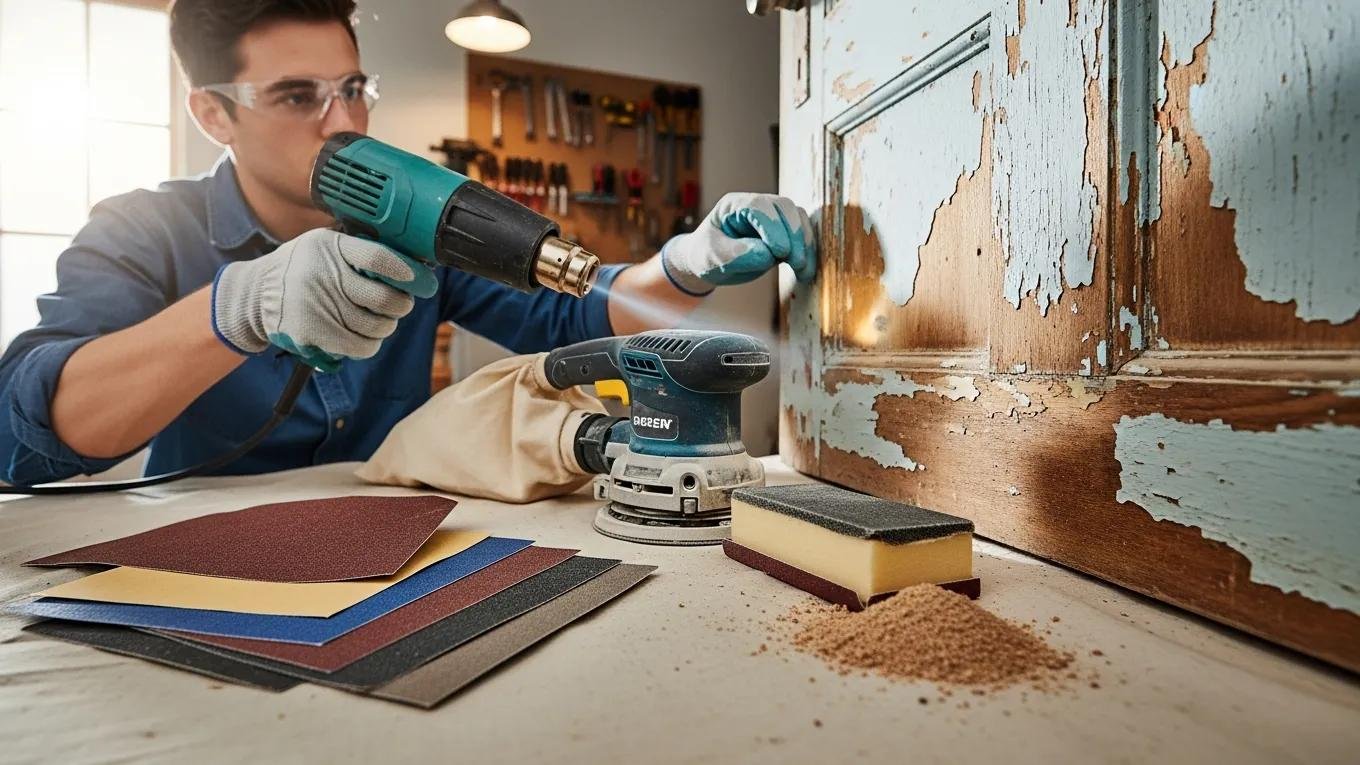
Several chemical and mechanical methods can be employed to restore faded paint. Chemical methods include the use of paint strippers and cleaners that remove the top layer of faded paint, allowing fresh paint to be applied. Mechanical methods, such as sanding and polishing, can also be effective in removing surface imperfections and restoring gloss. Each method has its advantages, and the choice often depends on the extent of fading and the type of paint used.
How Do Protective Coatings Like Clear Coat Help in Paint Restoration?
Protective coatings, such as clear coats, play a vital role in paint restoration by providing an additional layer of protection against UV damage and environmental factors. Clear coats enhance the aesthetic appeal of the paint by adding depth and gloss while also extending its lifespan. Applying a clear coat after restoration can significantly improve the durability of the paint, making it more resistant to fading and wear.
What Are the Best Practices for Paint Discoloration Repair and Maintenance?
Maintaining the vibrancy of paint requires regular upkeep and adherence to best practices. By implementing preventative measures, homeowners can significantly extend the life of their paint jobs and avoid costly repairs.
Which Preventative Measures Help Maintain Paint Vibrancy Longer?
To maintain paint vibrancy, several preventative measures can be taken. Regular soft washing can help remove dirt and grime that contribute to discoloration. Additionally, using high-quality paints with UV protection can prevent fading and ensure long-lasting color. It is also advisable to inspect painted surfaces regularly for signs of wear and address any issues promptly to prevent further damage.
How Can Regular Maintenance Prevent Paint Chalking and Peeling?
Regular maintenance is essential in preventing common paint issues such as chalking and peeling. Conducting routine inspections allows homeowners to catch problems early, while proper application techniques during initial painting can minimize the risk of peeling. Ensuring that surfaces are clean and well-prepared before painting is crucial for achieving a durable finish that resists environmental stressors.
Which Innovative Products and UV Protection Solutions Enhance Paint Durability?
The market for paint protection solutions has evolved, with innovative products designed to enhance the durability of paint. These advancements provide homeowners with more options for maintaining their paint’s appearance and longevity.
What Are the Latest Advances in UV-Resistant and Eco-Friendly Coatings?
Recent advances in UV-resistant coatings have led to the development of products that offer superior protection against fading. Eco-friendly options are also gaining popularity, providing effective solutions without harmful chemicals. These coatings not only protect the paint but also contribute to a healthier environment, making them an attractive choice for conscientious consumers.
How Do Smart Coatings and Nano-Technology Improve Paint Longevity?
Smart coatings and nano-technology represent the forefront of paint protection innovation. These advanced coatings can self-heal from minor scratches and damage, significantly extending the life of the paint. By incorporating nano-particles, these coatings enhance the paint’s resistance to environmental factors, ensuring that surfaces remain vibrant and intact for longer periods.
This concept of self-healing technology in coatings is further elaborated by research into nanocontainer-based systems.
Self-Healing Nanocoatings: Advanced Paint Restoration & Protection
Nanocontainerbased self-healing coatings attract enormous scientific attention as they offer a wide range of applications in conjunction with long-lasting inhibition performance. These coatings prevent the rate of crack progression by releasing active agents from micro/nanocontainers in a controllable manner and heal crack, thereby mitigating corrosion. The potential of such coatings to heal local damage induced by climatic causes or by mechanical damage is a significant contributing factor to their desirability. This review is a comprehensive analysis of nanocontainers used to manufacture self-healing anticorrosive coatings as well as explains their self-healing mechanism.
Recent innovations in nano container-based self-healing coatings in the construction industry, A Thakur, 2022