
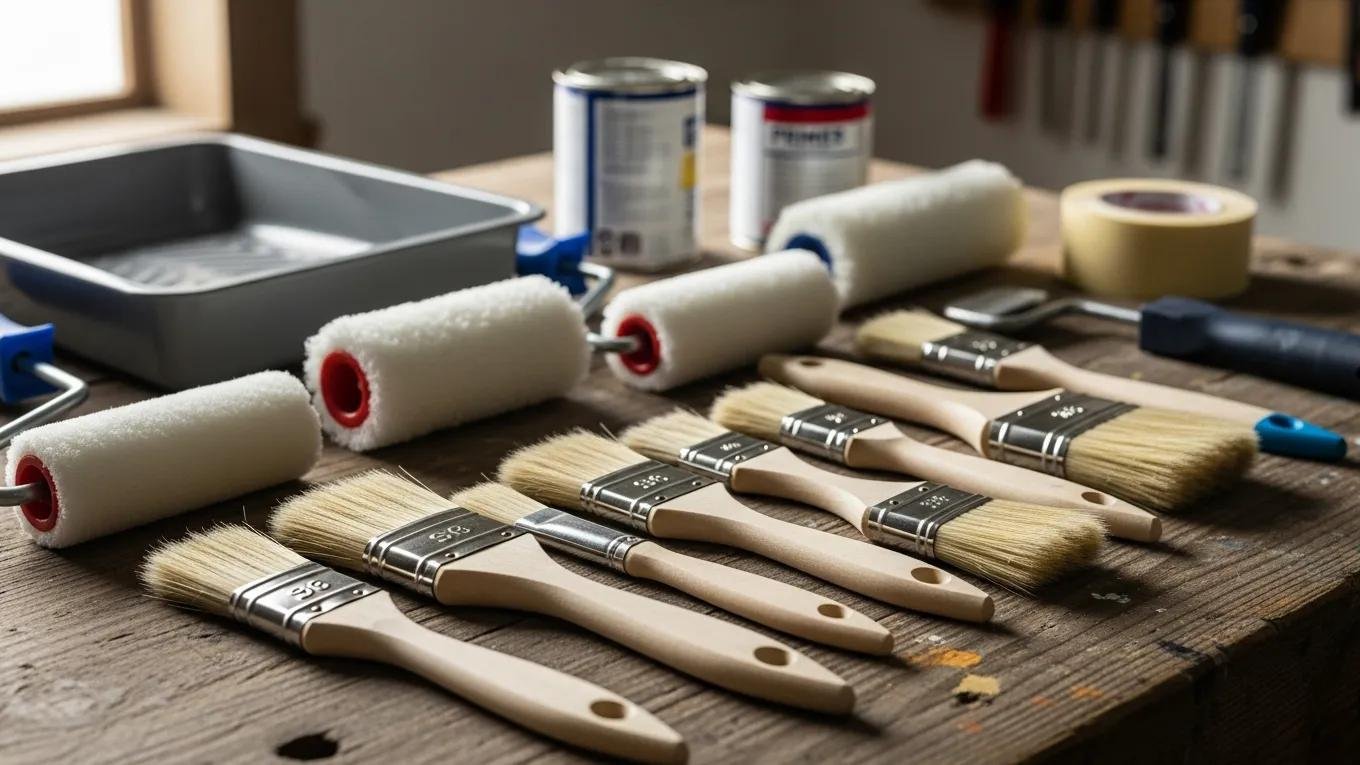
How to Clean and Maintain Painting Tools: Essential Tips for Paint Brush and Roller Care
By Esteem Painting Team, Esteem Painting LLC
Cleaning and maintaining painting tools is essential for achieving high-quality results in any painting project. Proper care not only extends the life of your brushes and rollers but also ensures that they perform optimally, providing a smooth finish without streaks or imperfections. In this article, we will explore effective methods for cleaning paint brushes and rollers, maintenance tips to prolong their lifespan, and the best cleaning agents to use. Additionally, we will address common issues that arise during tool maintenance and how to troubleshoot them effectively. By following these guidelines, you can keep your painting tools in excellent condition, ready for your next project.
What Are the Best Methods to Clean Paint Brushes Effectively?
Cleaning paint brushes effectively is crucial to maintaining their quality and performance. Brushes used with different types of paint require specific cleaning methods to ensure that they remain in good condition. Regular cleaning after use prevents paint from drying and hardening in the bristles, which can ruin the brush.
How to Clean Water-Based Paint from Brushes
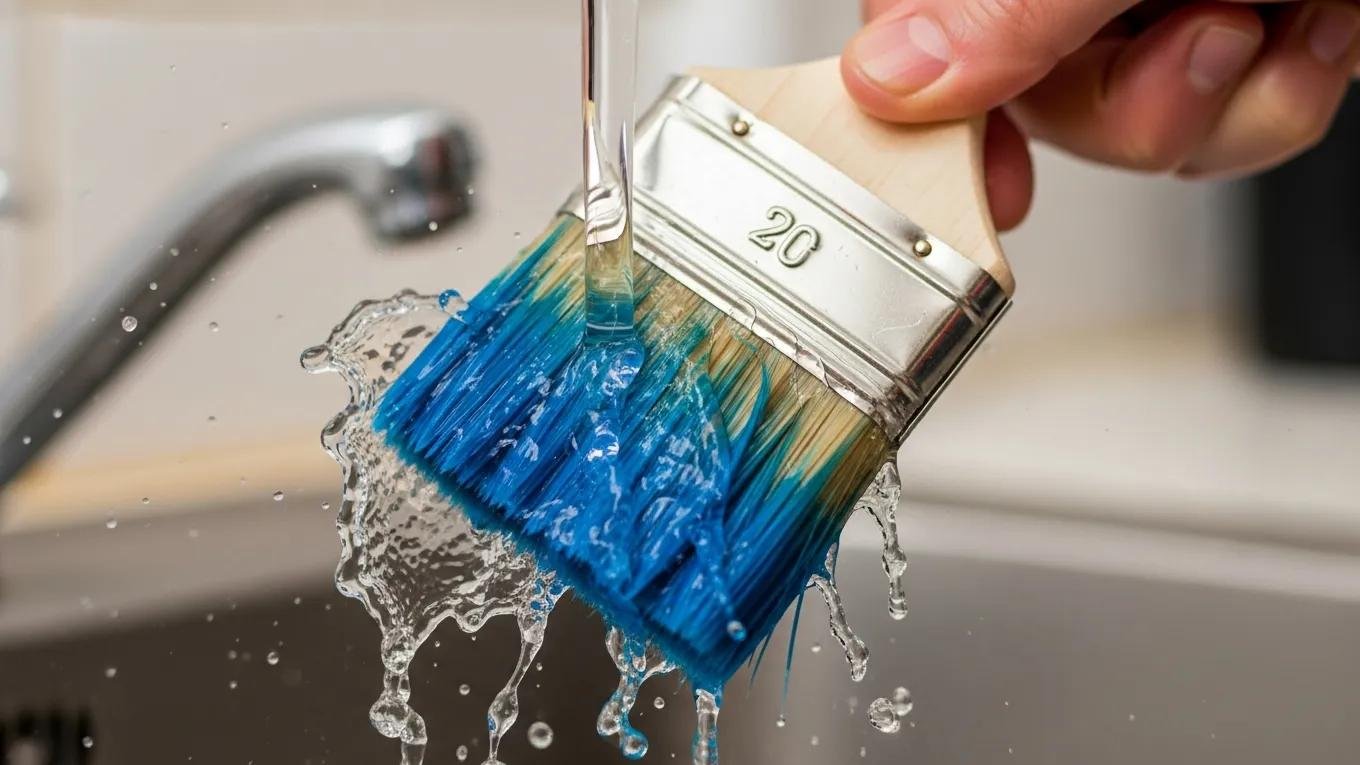
To clean brushes used with water-based paints, follow these steps:
- Rinse Immediately: Rinse the brush under warm water as soon as you finish painting. This helps to remove most of the paint.
- Use Soap: Apply a small amount of dish soap to the bristles and work it in gently. This will help break down any remaining paint.
- Rinse Again: Rinse the brush thoroughly under warm water until the water runs clear.
- Dry Properly: Shake off excess water and reshape the bristles before laying the brush flat to dry.
How to Remove Oil-Based Paint Using Solvents
Cleaning brushes that have been used with oil-based paints requires a different approach:
- Choose the Right Solvent: Use a solvent such as mineral spirits or paint thinner. Always check the manufacturer’s instructions for recommendations.
- Soak the Brush: Dip the brush into the solvent and let it soak for a few minutes to loosen the paint.
- Gently Work the Bristles: Use your fingers or a brush comb to gently work the bristles, removing the paint.
- Rinse and Dry: Rinse the brush with warm soapy water after cleaning with the solvent, then reshape and dry it properly.
How Can You Maintain and Store Paint Rollers for Longevity?
Maintaining and storing paint rollers properly is essential for ensuring their longevity and effectiveness. Rollers can accumulate paint and debris, which can affect their performance in future projects.
What Are the Steps for Proper Roller Cleaning and Frame Maintenance
To clean paint rollers effectively, follow these steps:
- Remove Excess Paint: Use a paint roller scraper to remove excess paint from the roller cover.
- Rinse with Water: For water-based paints, rinse the roller under warm water until the water runs clear. For oil-based paints, use the appropriate solvent.
- Clean the Frame: Wipe down the roller frame with a cloth soaked in solvent to remove any paint residue.
- Dry Completely: Allow the roller and frame to dry completely before storing.
How to Store Painting Tools to Prevent Damage and Extend Use
Proper storage of painting tools is vital to prevent damage and extend their lifespan:
- Store in a Cool, Dry Place: Keep your brushes and rollers in a cool, dry area to prevent mold and mildew.
- Use Protective Covers: Cover brushes with plastic wrap or a brush holder to maintain their shape.
- Avoid Extreme Temperatures: Do not store tools in areas with extreme temperatures, as this can damage the materials.
Which Cleaning Agents and Solvents Are Safe and Effective for Painting Tools?
Choosing the right cleaning agents and solvents is crucial for maintaining your painting tools. Different types of paints require specific cleaning solutions to ensure effective cleaning without damaging the tools.
What Types of Cleaning Solvents Are Recommended for Different Paints
Here is a comparison of recommended cleaning solvents for various paint types:
How to Use Eco-Friendly Cleaning Solutions for Paint Tool Care

Using eco-friendly cleaning solutions is a great way to maintain your painting tools while being environmentally conscious. Here are some options:
- Vinegar: A natural solvent that can help break down paint.
- Baking Soda: Can be mixed with water to create a paste for scrubbing brushes.
- Citrus-Based Cleaners: Effective for removing paint and are biodegradable.
What Are Common Issues in Painting Tool Maintenance and How to Troubleshoot Them?
Even with proper care, painting tools can encounter issues that may affect their performance. Understanding these problems and how to troubleshoot them can save you time and money.
How to Remove Stubborn Paint Residue from Brushes and Rollers
Stubborn paint residue can be challenging to remove. Here are some techniques:
- Soak in Solvent: For oil-based paints, soaking the brush or roller in solvent can help loosen the residue.
- Use a Brush Comb: Gently comb through the bristles to dislodge any remaining paint.
- Repeat as Necessary: Sometimes, multiple cleanings are required to fully remove stubborn paint.
How to Prevent and Repair Damage to Painting Tools
Preventing damage to your painting tools is essential for their longevity. Here are some tips:
- Regular Cleaning: Clean tools immediately after use to prevent paint from hardening.
- Proper Storage: Store tools in a way that prevents bending or crushing.
- Inspect Regularly: Check for signs of wear and replace tools as needed to maintain quality.