
Preparing Rental Units for Painting with Minimal Downtime: Tenant and Landlord Strategies
By Esteem Painting Team, Esteem Painting LLC
Preparing rental units for painting can be a daunting task for both tenants and landlords, especially when aiming to minimize downtime. This article explores effective strategies that can streamline the painting process while ensuring minimal disruption to tenants. By understanding the essential steps and responsibilities involved, both parties can work together to achieve a smooth transition. The focus will be on tenant preparation, landlord responsibilities, communication strategies, and practical checklists that can enhance efficiency. Ultimately, the goal is to reduce vacancy periods and costs while maintaining a high standard of living for tenants.
How Can Tenants Effectively Prepare Rental Units for Painting?
Tenants play a crucial role in preparing rental units for painting, which can significantly impact the overall efficiency of the process. Effective preparation involves several key steps that ensure the space is ready for the painting crew while minimizing disruption. By taking proactive measures, tenants can help facilitate a smoother painting experience.
What Are the Essential Tenant Painting Preparation Steps?
To prepare a rental unit for painting, tenants should follow these essential steps:
- Clear the Area: Remove all furniture and delicate items from the painting area to prevent damage and allow easy access for painters.
- Secure Pets: Ensure that pets are kept in a separate area to avoid stress and potential accidents during the painting process.
- Communicate Preferences: Discuss any specific preferences regarding paint colors or finishes with the landlord to ensure alignment before the work begins.
These steps not only help in preparing the unit but also contribute to a more efficient painting process, reducing the likelihood of delays.
How Should Tenants Communicate with Landlords About Painting Schedules?

Effective communication between tenants and landlords is vital for coordinating painting schedules. Tenants should proactively reach out to their landlords to discuss the timing and scope of the painting project. This dialogue can help set clear expectations and ensure that both parties are on the same page regarding the painting timeline.
What Are Landlord Responsibilities to Minimize Painting Downtime?
Landlords have specific responsibilities to ensure that painting projects are completed with minimal disruption to tenants. Implementing a phased approach to painting can help manage the process more effectively. This involves scheduling work in sections, allowing tenants to continue living in the unit while other areas are being painted. Additionally, maintaining clear communication with tenants about the schedule and any changes is essential for minimizing inconvenience.
How Can Landlords Coordinate Efficient Scheduling with Painting Contractors?
To ensure efficient scheduling with painting contractors, landlords should consider the following strategies:
- Utilize Flexible Scheduling Options: Work with contractors who offer flexible scheduling to accommodate tenant needs.
- Request Daily Progress Reports: Regular updates from contractors can help landlords stay informed about the project’s status and address any issues promptly.
- Ensure Cleanliness and Safety Standards: Maintaining a clean job site is crucial for tenant safety and satisfaction.
By coordinating effectively with contractors, landlords can enhance the overall efficiency of the painting process.
What Communication Tips Help Landlords Engage Tenants During Painting?
Landlords can foster positive relationships with tenants during painting projects by employing effective communication strategies. Here are some tips:
- Provide Regular Updates: Keep tenants informed about the progress of the painting work to alleviate concerns and manage expectations.
- Be Responsive to Inquiries: Address any questions or concerns tenants may have promptly to maintain trust and transparency.
- Set Clear Expectations: Clearly outline what tenants can expect during the painting process, including potential disruptions and timelines.
These communication strategies can help ensure that tenants feel valued and informed throughout the painting project.
Which Painting Preparation Checklists Help Streamline Rental Unit Turnover?
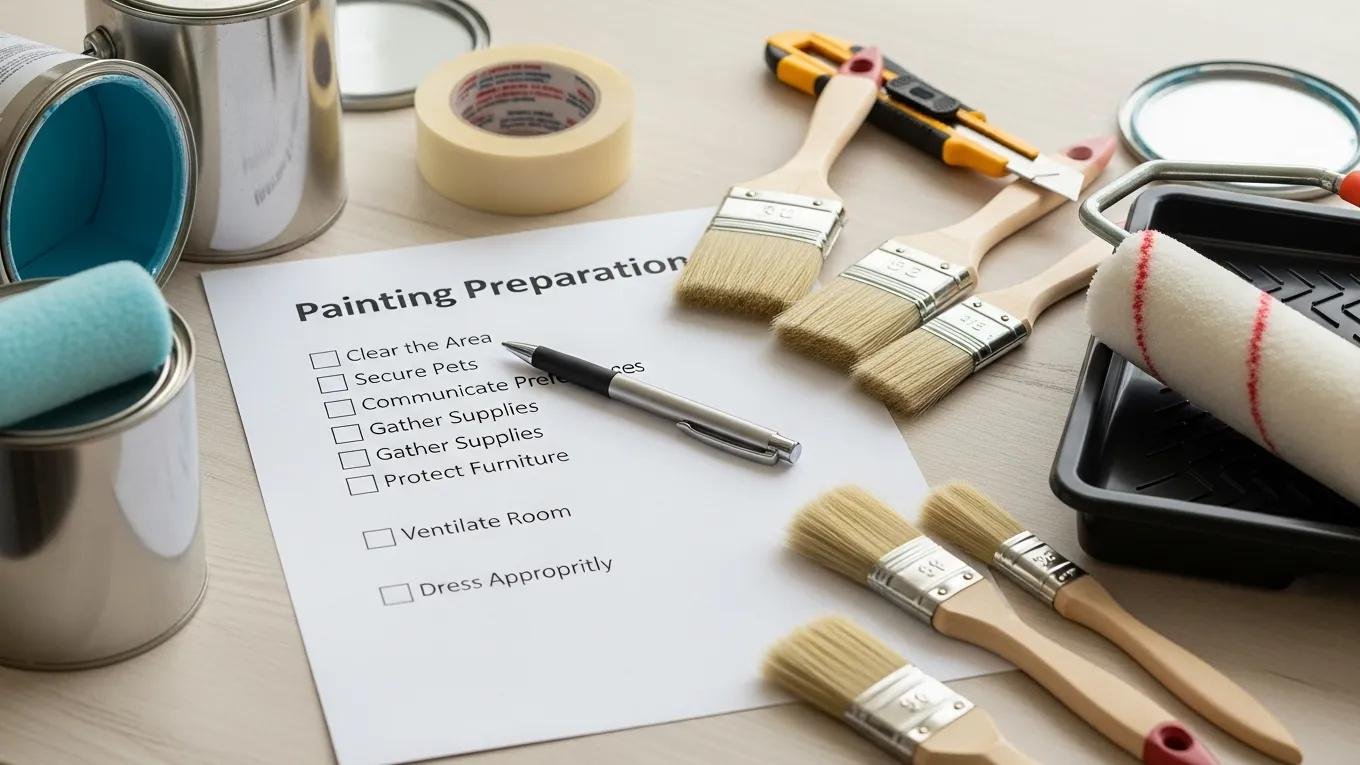
Using painting preparation checklists can significantly streamline the turnover process for rental units. These checklists should include:
- Preparation Steps: A comprehensive list of tasks that need to be completed before painting begins.
- Cleaning and Surface Preparation: Ensure that all surfaces are clean and ready for paint application.
- Timeline Establishment: Create a timeline for the painting process to keep all parties informed and on track.
By following a structured checklist, both tenants and landlords can ensure that nothing is overlooked, leading to a more efficient turnover.
What Materials and Tools Are Needed for Rental Unit Painting Preparation?
Having the right materials and tools is essential for effective painting preparation. Key items include:
- High-Quality Paints: Invest in durable, high-quality paints that will last longer and require fewer touch-ups.
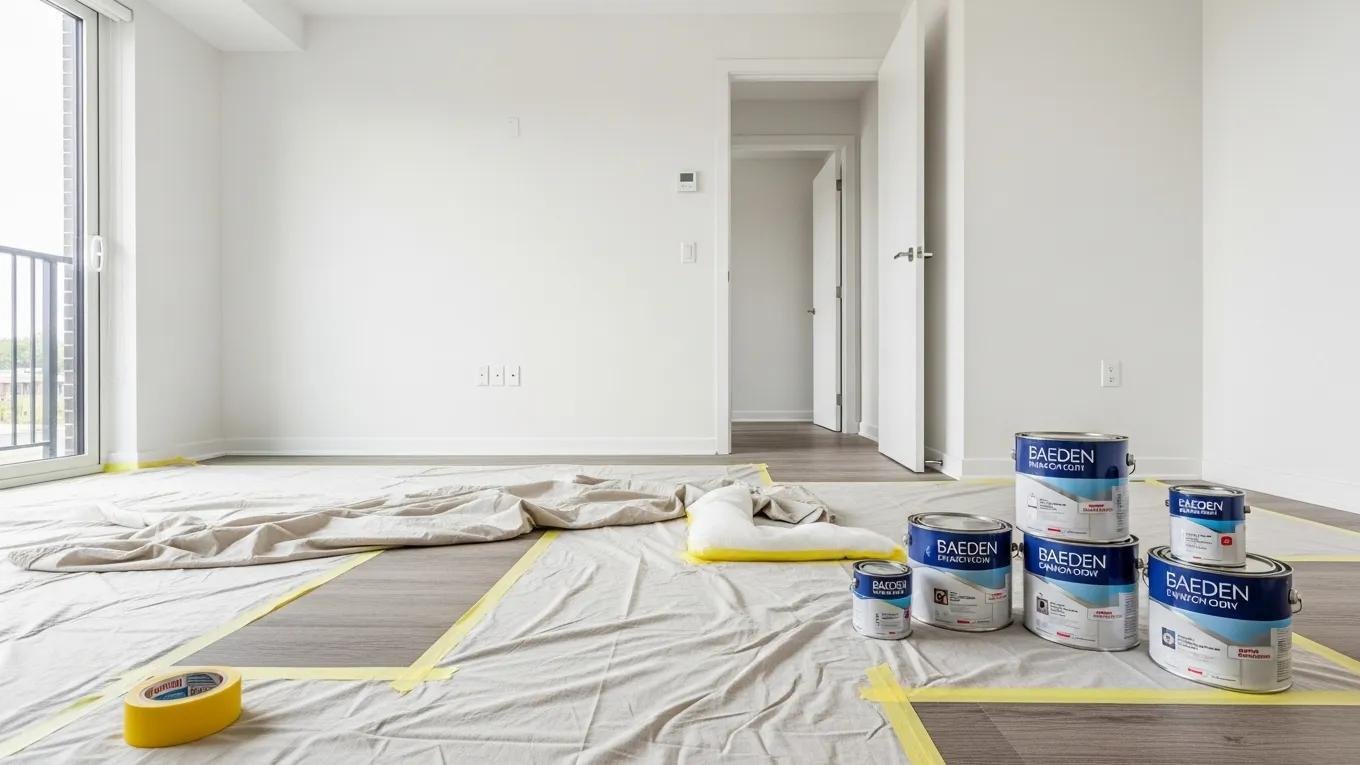
- Protective Coverings: Use drop cloths and painter’s tape to protect floors and trim from paint splatters.
- Cleaning Supplies: Ensure that all necessary cleaning supplies are available to prepare surfaces adequately.
Equipping the unit with these materials can enhance the quality of the painting job and reduce the likelihood of future maintenance issues.
How Do Preparation Steps Reduce Vacancy Periods and Costs?
Effective preparation steps can significantly reduce vacancy periods and associated costs. By ensuring that the unit is ready for painting, landlords can minimize the time it takes to complete the project. Key benefits include:
- Preventing Costly Rework: Thorough preparation helps avoid mistakes that could lead to additional costs.
- Minimizing Disruption: A well-organized painting schedule reduces tenant disruption, making it easier to retain tenants.
- Extending Repaint Intervals: Using quality materials can prolong the time between repaints, saving money in the long run.
These preparation strategies ultimately contribute to a more efficient turnover process and improved tenant satisfaction.
How Can Scheduling and Downtime Minimization Strategies Improve Painting Efficiency?
Implementing effective scheduling and downtime minimization strategies can greatly enhance painting efficiency. Landlords should consider:
- Flexible Scheduling: Allowing for adjustments in the painting schedule can accommodate tenant needs and reduce downtime.
- Phased Execution: Breaking the painting project into phases can help keep parts of the unit available for tenant use.
- Maintaining a Clean Job Site: A tidy work environment can improve safety and efficiency for both contractors and tenants.
By focusing on these strategies, landlords can ensure that painting projects are completed quickly and efficiently.
What Are Best Practices for Scheduling Painting to Limit Tenant Disruption?
To limit tenant disruption during painting, landlords should adopt best practices such as:
- Scheduling Work During Off-Hours: Plan painting projects during times when tenants are less likely to be home, such as weekdays.
- Clear Communication: Inform tenants well in advance about the painting schedule and any expected disruptions.
- Using Low-VOC Paints: Opt for low-VOC paints to improve indoor air quality and reduce odors during the painting process.
These practices can help create a more tenant-friendly environment while ensuring that the painting work is completed efficiently.
How Do Rapid-Dry and Eco-Friendly Paints Contribute to Faster Turnover?
Rapid-dry and eco-friendly paints offer several advantages that can contribute to faster turnover times. These paints typically dry more quickly, allowing for faster re-entry into the unit after painting. Additionally, eco-friendly options often have lower levels of volatile organic compounds (VOCs), which can improve indoor air quality and reduce health risks for tenants. By choosing these types of paints, landlords can enhance the overall efficiency of the painting process while promoting a healthier living environment for tenants.