
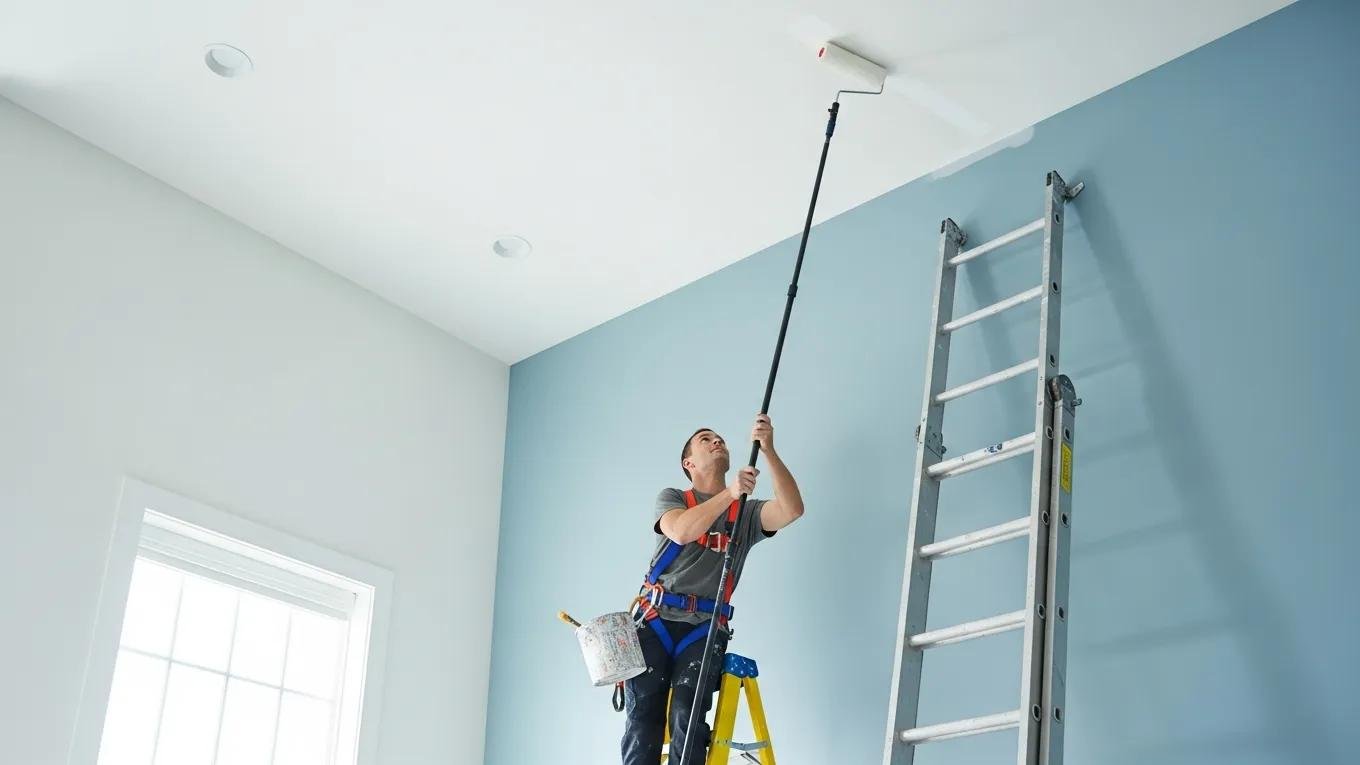
Safe and Efficient Techniques for Painting High Ceilings: Essential Ladder Safety and Tool Use
By Esteem Painting Team, Esteem Painting LLC
Painting high ceilings can be a daunting task, but with the right techniques and tools, it can be accomplished safely and efficiently. This article will explore essential ladder safety tips, the proper use of roller extension poles, ergonomic painting techniques, and the necessary safety equipment to ensure a successful painting project. Many homeowners and DIY enthusiasts face challenges when attempting to paint high ceilings, often leading to accidents or subpar results. By following the guidelines outlined here, you can enhance your painting experience while minimizing risks. We will cover ladder safety, roller extension pole selection, ergonomic methods, and essential safety gear to help you achieve a professional finish.
What Are the Best Ladder Safety Tips for Painting High Ceilings?
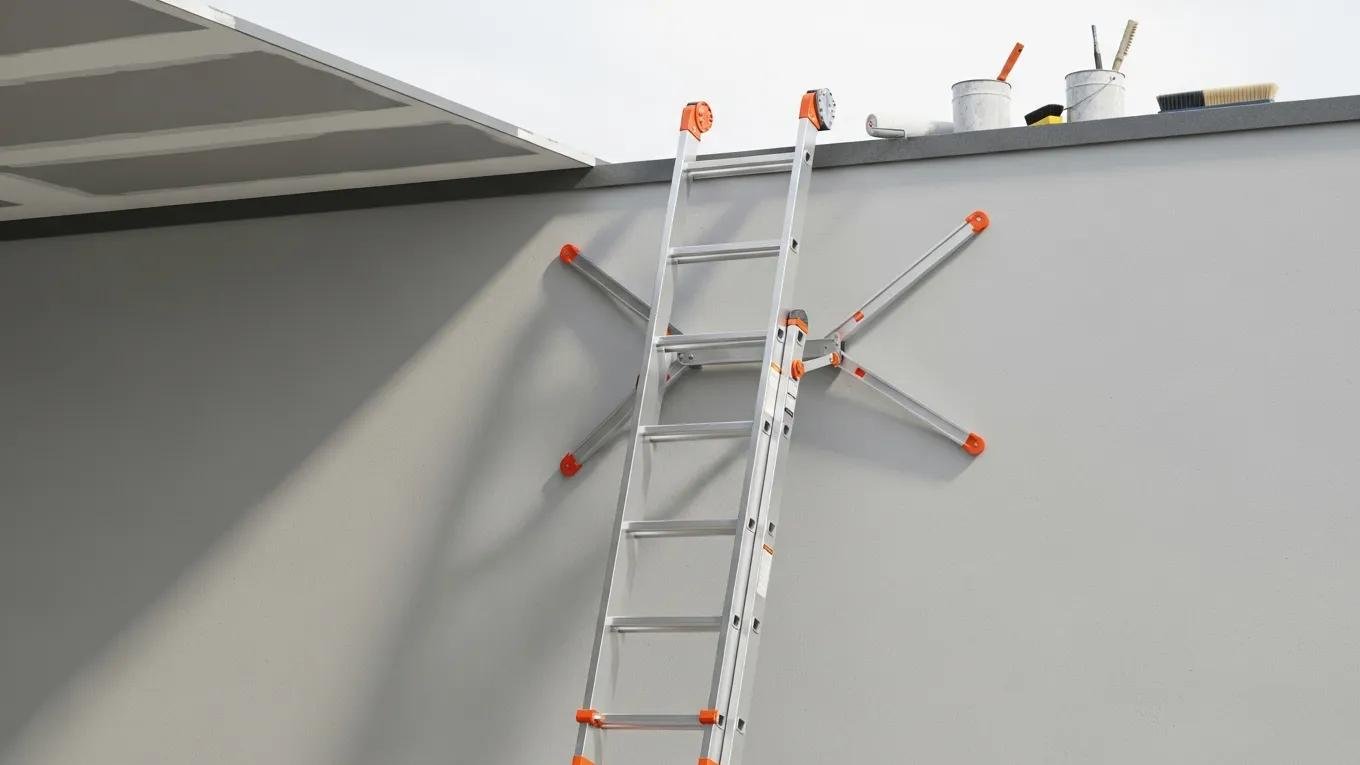
When painting high ceilings, ladder safety is paramount to prevent accidents and injuries. Proper ladder use ensures stability and security while you work at elevated heights. Key ladder safety tips include ensuring a stable setup, regularly inspecting your ladder for wear and tear, and wearing appropriate footwear to maintain grip and balance.
How to Choose the Right Ladder for Ceiling Painting Safely
Selecting the right ladder is crucial for safe ceiling painting. Consider the following factors when choosing a ladder:
- Height Requirements: Ensure the ladder reaches the desired height without requiring you to stand on the top rung.
- Weight Capacity: Check the ladder’s weight rating to ensure it can support both your weight and any tools or materials you may carry.
- Material Considerations: Aluminum ladders are lightweight and easy to maneuver, while fiberglass ladders offer better stability and electrical insulation.
Choosing the right ladder not only enhances safety but also improves your overall painting efficiency.
What Are OSHA-Compliant Ladder Setup and Usage Guidelines?
Following OSHA guidelines for ladder setup and usage is essential for maintaining safety while painting high ceilings. Key regulations include:
- Proper Ladder Angle: Position the ladder at a 75-degree angle to ensure stability.
- Stabilization Techniques: Use ladder stabilizers or ensure the ladder is placed on a flat, stable surface.
- Usage Restrictions: Avoid overreaching while on the ladder, and always maintain three points of contact.
Adhering to these guidelines significantly reduces the risk of falls and injuries.
How Do You Select and Use Roller Extension Poles for High Ceilings?
Roller extension poles are invaluable tools for painting high ceilings, allowing you to reach elevated areas without the need for frequent ladder adjustments. Selecting the right roller extension pole and using it correctly can enhance your painting efficiency.
What Length and Material Should Roller Extension Poles Have?
When choosing roller extension poles, consider the following:
- Recommended Lengths: For ceilings up to 12 feet, a 6- to 8-foot extension pole is typically sufficient. For higher ceilings, consider poles that extend up to 12 feet or more.
- Material Benefits: Aluminum poles are lightweight and easy to handle, while fiberglass poles provide added durability and stability.
- Weight Considerations: Ensure the pole can support the weight of the roller and paint without bending or breaking.
Selecting the appropriate length and material for your roller extension pole will facilitate a smoother painting process.
How to Maintain and Safely Operate Roller Extensions?
Proper maintenance and operation of roller extensions are essential for safety and efficiency. Here are some tips:
- Regular Cleaning: Clean the roller cover and pole after each use to prevent paint buildup and ensure longevity.
- Inspection for Damage: Regularly check for any signs of wear or damage, such as cracks or bends, and replace any damaged components immediately.
- Safe Handling Practices: Always extend and retract the pole carefully to avoid pinching fingers or causing injury.
By maintaining your roller extensions, you can ensure they remain safe and effective tools for your painting projects.
Which Ergonomic Painting Techniques Improve Efficiency and Safety?
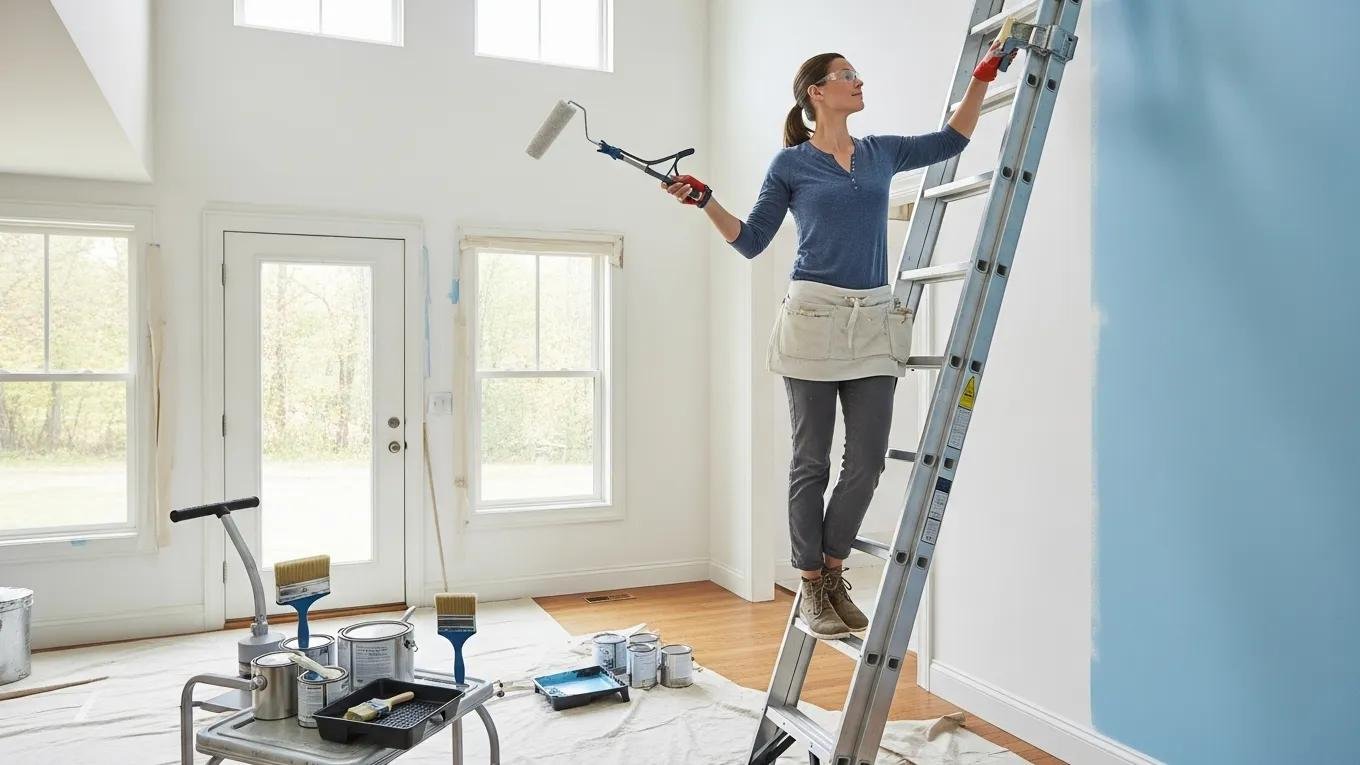
Incorporating ergonomic techniques into your painting process can significantly enhance both safety and efficiency. These methods help reduce physical strain and improve overall comfort while working at heights.
How to Use Proper Posture and Movements When Painting Ceilings
Maintaining proper posture and movement techniques is crucial for preventing strain during ceiling painting. Key practices include:
- Importance of Posture: Keep your back straight and avoid leaning excessively to one side while painting.
- Movement Techniques: Use your legs to lift and lower your body rather than bending at the waist.
- Avoiding Strain: Take regular breaks to stretch and rest your muscles, especially during long painting sessions.
Implementing these ergonomic techniques will help you work more comfortably and efficiently.
Studies confirm that without proper ergonomic practices, painters face significant physical strain, particularly in the neck and shoulders, when working on high ceilings.
Ergonomic Risks in Ceiling & Roller Painting
painting (spray and roller painting) ceilings and walls. The results of the work methods exposed painters to high and adverse physical loads, especially in the neck and shoulders. A higher ceiling (Pictures 29,30) indicates a higher level of physical load for the neck and shoulders, which is consistent with the results of the questionnaire.
Ergonomic risk assessment of painters’ work tasks-smoothing, sanding and painting, 2021
What Tools and Methods Reduce Physical Strain During Painting?
Utilizing the right tools and methods can significantly reduce physical strain during painting. Consider the following:
- Ergonomic Brushes and Rollers: Choose tools designed with comfort grips to minimize hand fatigue.
- Use of Scaffolding: For very high ceilings, consider using scaffolding instead of ladders for better stability and workspace.
- Adjustable Ladders: Invest in adjustable ladders that can be set to various heights to reduce the need for excessive reaching.
These tools and methods not only enhance comfort but also improve the quality of your work.
Further research highlights the ongoing development of specialized tools to address common challenges in ceiling painting, particularly concerning precision and efficiency.
New Tools & Ladder Use for Ceiling Painting
In the painting process, many tools have been proposed to paint the wall and keep the ceiling from being exposed to the paint color. The workers’ main problem is that they have to use a ladder to reach the ceiling and place tape between the wall and ceiling. The objective of the study is to implement a new additional tool to attach to the paintbrush in order to paint between the ceiling and wall area smoothly and neatly.
Improving Work Quality in Painting Between Wall and Ceiling Areas Using a Paint Edger, WNAW Draman, 2025
What Safety Equipment Is Essential for Painting High Ceilings?
Using the right safety equipment is critical when painting high ceilings to protect yourself from potential hazards. Essential safety gear includes:
- Hard Hats: Protect your head from falling objects or accidental bumps.
- Safety Harnesses: If working from heights, a safety harness can prevent falls.
- Non-Slip Footwear: Wear shoes with good grip to maintain stability on ladders and scaffolding.
Equipping yourself with the necessary safety gear will help ensure a safer painting experience.
Which Protective Gear Prevents Injuries While Working at Heights?
Protective gear plays a vital role in preventing injuries while working at heights. Key items include:
- Hard Hats: Essential for head protection against falling debris.
- Safety Harnesses: Crucial for fall protection when working on ladders or scaffolding.
- Non-Slip Footwear: Provides better traction and stability on ladders and uneven surfaces.
Investing in quality protective gear is a proactive step towards ensuring your safety while painting.
How to Integrate Safety Equipment with Painting Techniques Effectively?
Integrating safety equipment with your painting techniques is essential for maximizing safety. Here are some recommendations:
- Wearing Safety Gear: Always wear your hard hat and harness when working at heights.
- Inspecting Equipment: Regularly check your safety gear for wear and tear before each use.
- Maintaining a Clear Work Area: Keep your workspace organized to prevent tripping hazards and ensure easy access to tools.
By effectively integrating safety equipment with your painting techniques, you can create a safer working environment.