Best Primer Recommendations for Stains, Mold, and Difficult Substrates: Expert Guidance for Effective Surface Preparation
By Esteem Painting Team, Esteem Painting LLC
Choosing the right primer is crucial for achieving a flawless finish on surfaces affected by stains, mold, or other challenging conditions. This article provides expert recommendations on the best primers tailored for various stain types, mold resistance, and difficult substrates. Readers will learn about the effectiveness of different primer types, the benefits of mold-resistant options, and how to select the right primer for specific surfaces. Many homeowners and professionals face the challenge of ensuring that their paint adheres properly and lasts long, especially when dealing with problematic surfaces. This guide aims to address these concerns by offering insights into the best practices for primer selection and application. We will explore the effectiveness of stain-blocking primers, the advantages of mold-resistant formulations, and tips for applying primers on difficult surfaces.
Which Stain Blocking Primers Are Most Effective for Different Stain Types?
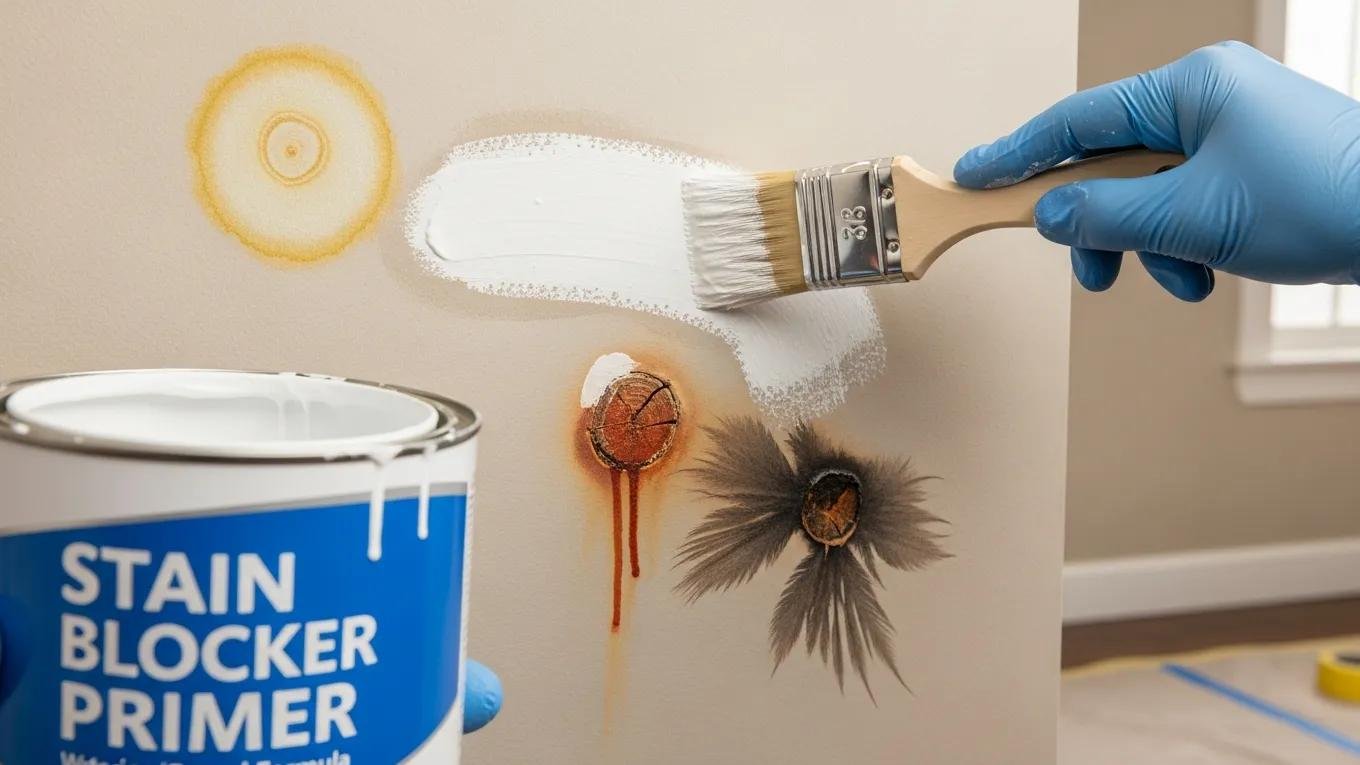
Selecting the right stain-blocking primer is essential for effectively covering various stains. Different types of stains, such as water, smoke, and tannin, require specific primer solutions to ensure optimal results. Understanding the characteristics of each primer type can help in making an informed choice.
How Do Shellac, Oil-Based, and Latex Primers Compare in Stain Blocking?
Shellac, oil-based, and latex primers each have unique properties that make them suitable for different stain types. Shellac primers are particularly effective for severe stains, such as water and smoke, due to their strong sealing capabilities. Oil-based primers work well for tannin stains, which are often found in wood surfaces, as they prevent bleed-through. Latex primers, while less potent in blocking severe stains, are suitable for lighter applications and provide ease of cleanup.
What Stain Types Require Specialized Primer Solutions?
Certain stains necessitate specialized primer solutions to achieve the best results. For instance, water stains require specific stain-blocking primers that can effectively seal the surface and prevent moisture from seeping through. Smoke stains, on the other hand, need high-quality sealers that can encapsulate the odor and prevent it from resurfacing. Mold requires mold-resistant primers that not only block stains but also inhibit future growth.
What Are the Key Benefits of Mold Resistant Primers?
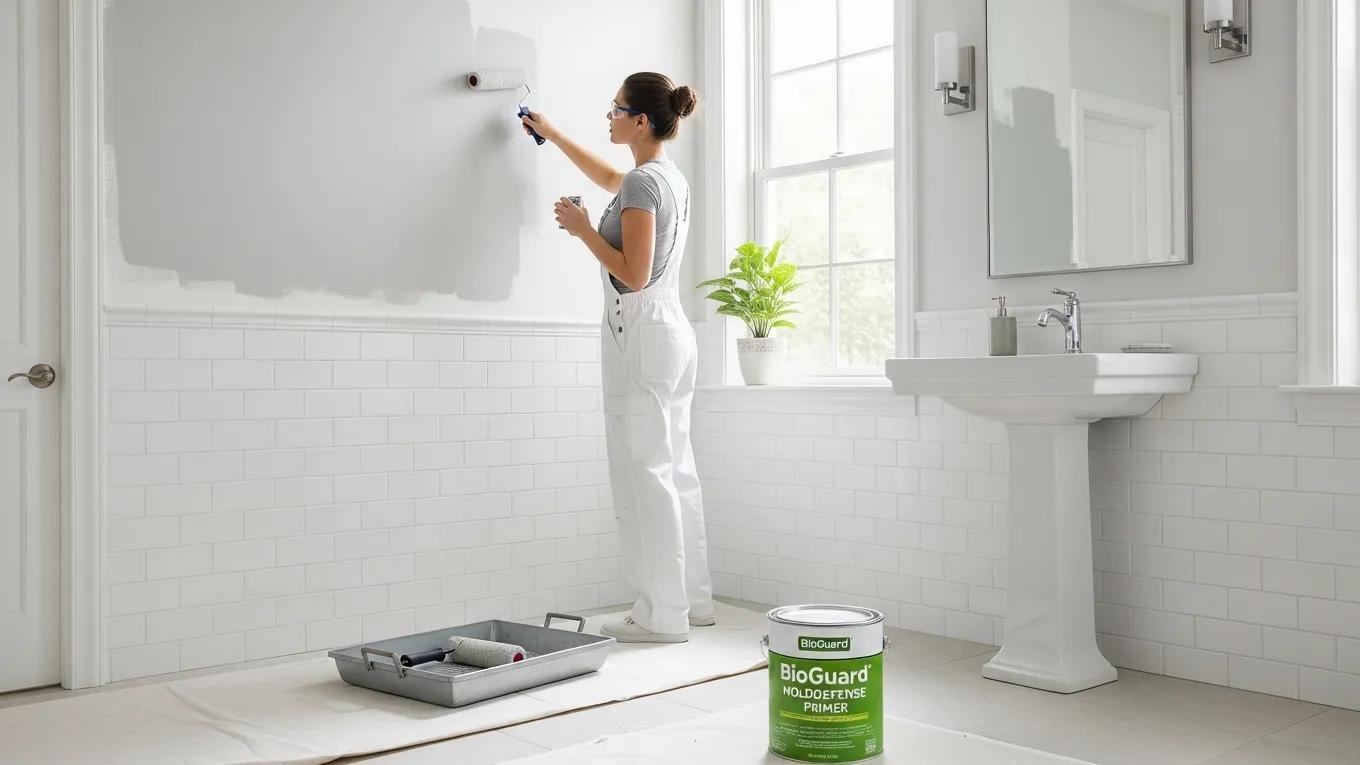
Mold-resistant primers offer several advantages that make them essential for areas prone to moisture and mold growth. These primers are designed to prevent mold from developing on surfaces, ensuring a healthier environment. Additionally, they enhance the durability of the finish, providing long-lasting protection against moisture-related issues.
How Do Mold Resistant Primers Prevent Mold Growth?
Mold-resistant primers contain antimicrobial properties that inhibit the growth of mold and mildew. These primers create a moisture barrier that prevents water from penetrating the surface, which is crucial in areas with high humidity. By blocking moisture and providing a protective layer, these primers significantly reduce the risk of mold development.
Which Mold Resistant Primers Offer Eco-Friendly and Low VOC Options?
When selecting mold-resistant primers, it’s important to consider eco-friendly and low VOC options. These primers not only protect against mold but also minimize harmful emissions, making them safer for indoor air quality. Many manufacturers now offer formulations that meet environmental standards while still providing effective mold resistance.
How to Choose Primers for Difficult Substrates Like Glossy, Metal, Wood, and Smoke-Damaged Surfaces?
Choosing the right primer for difficult substrates is essential for ensuring proper adhesion and a smooth finish. Different surfaces, such as glossy finishes, metal, and wood, require specific primer types to achieve optimal results.
What Primer Types Provide Optimal Adhesion on Glossy and Metal Surfaces?
For glossy and metal surfaces, high-adhesion bonding primers are recommended. These primers are formulated to grip slick surfaces effectively, ensuring that the paint adheres properly. Surface preparation is also crucial; cleaning and sanding the surface can enhance the primer’s effectiveness and ensure a long-lasting finish.
How to Address Wood and Smoke-Damaged Surfaces with Specialized Primers?
When dealing with wood and smoke-damaged surfaces, specialized primers are necessary to ensure effective coverage. For wood, using a primer that seals tannins is essential to prevent bleed-through. In the case of smoke-damaged surfaces, a high-quality primer that encapsulates odors and stains is vital for achieving a clean finish.
What Are the Best Practices for Applying Primers on Stains, Mold, and Difficult Surfaces?
Applying primers correctly is just as important as selecting the right product. Following best practices can significantly enhance the effectiveness of the primer and the overall finish of the paint job.
How Should Surfaces Be Prepared Before Primer Application?
Proper surface preparation is key to successful primer application. This includes cleaning the surface to remove dirt and grease, sanding to create a smooth texture, and ensuring that the surface is dry. Moisture control measures, such as using dehumidifiers in damp areas, can also help in achieving the best results.
What Application Techniques Ensure Maximum Primer Effectiveness?
To ensure maximum effectiveness, it is important to apply primers using techniques that promote even coverage. This includes using high-quality brushes or rollers and applying multiple thin coats rather than one thick coat. Allowing adequate drying time between coats is also crucial for achieving a durable finish.