
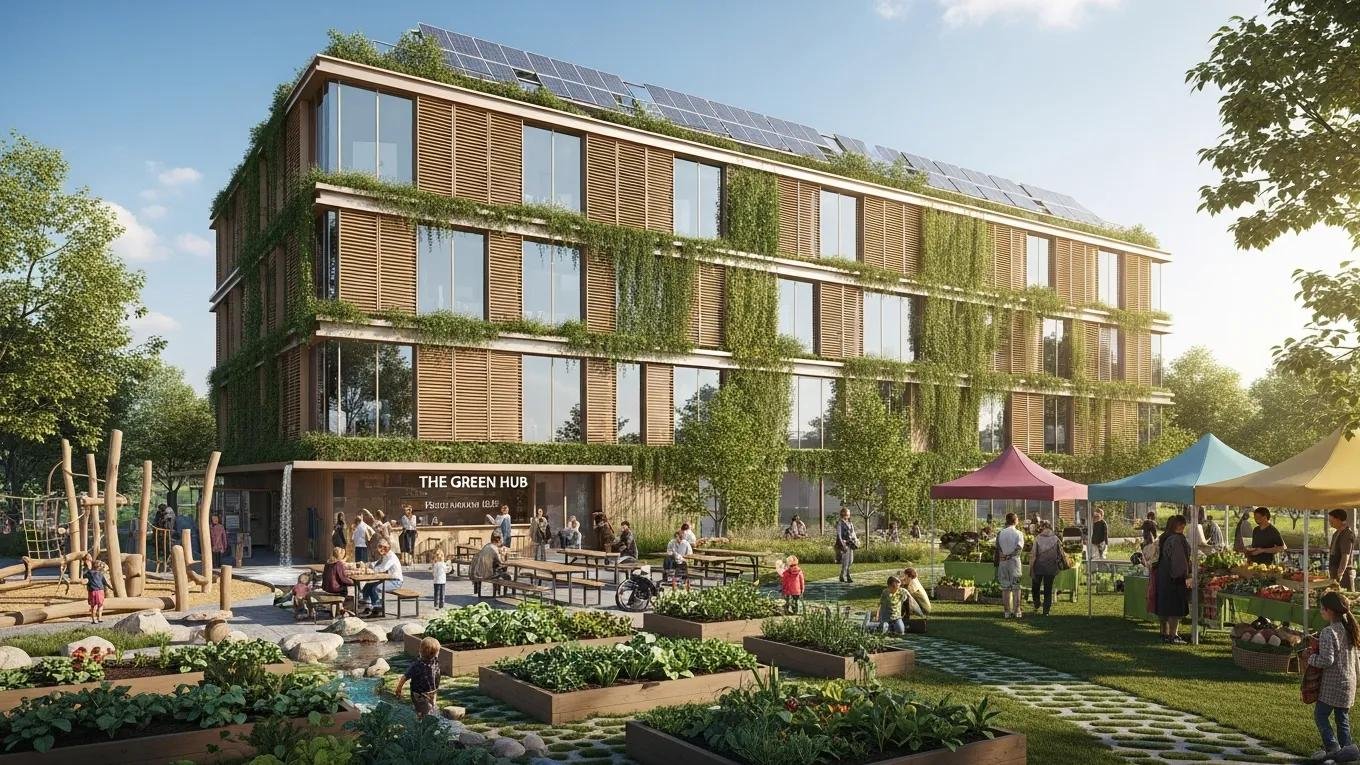
Local Sustainability Initiatives Affecting Building Finishes: Understanding Regional Green Building Programs and Eco-Friendly Materials
By Esteem Painting Team, Esteem Painting LLC
Local sustainability initiatives play a crucial role in shaping the future of building finishes by promoting eco-friendly materials and practices. As communities increasingly recognize the importance of environmental stewardship, regional sustainability programs have emerged to support green building initiatives. This article explores how these programs influence the selection of building finishes, the types of eco-friendly materials available, and the impact of local environmental codes. Readers will gain insights into the mechanisms behind these initiatives and their benefits, as well as recent case studies that highlight their effectiveness. By understanding these dynamics, stakeholders can make informed decisions that align with sustainable development goals.
What Are Regional Sustainability Programs Promoting Eco-Friendly Building Finishes?
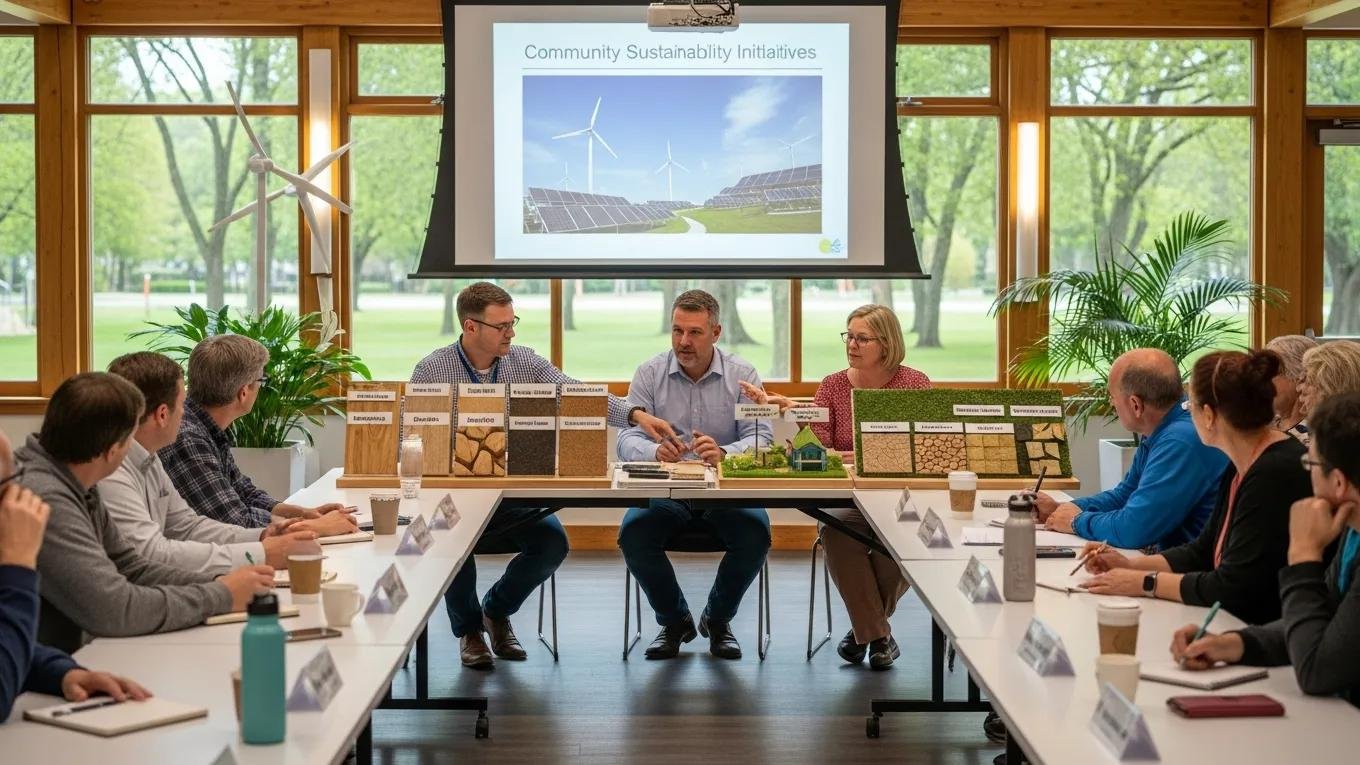
Regional sustainability programs are designed to encourage the use of eco-friendly building finishes through various initiatives and incentives. These programs aim to reduce environmental impact by promoting materials and practices that are sustainable and energy-efficient. By fostering collaboration among local governments, businesses, and communities, these programs create a framework for implementing green building practices that benefit both the environment and public health.
How Do Local Government Organizations Support Green Building Initiatives?
Local government organizations play a pivotal role in supporting green building initiatives by providing resources, funding, and technical assistance. They often establish guidelines and incentives that encourage builders and developers to adopt sustainable practices. Successful initiatives include grants for energy-efficient upgrades, tax incentives for using renewable materials, and educational programs that raise awareness about the benefits of eco-friendly building finishes. These efforts not only enhance community engagement but also contribute to a more sustainable built environment.
Which Environmental Policies Regulate Sustainable Building Materials?
Environmental policies at the local, state, and federal levels regulate the use of sustainable building materials to ensure compliance with safety and environmental standards. Key regulations include the Clean Air Act, which limits volatile organic compounds (VOCs) in building materials, and various state-level green building codes that mandate the use of eco-friendly finishes. Regulatory bodies, such as the Environmental Protection Agency (EPA), oversee these policies, ensuring that materials used in construction meet specific environmental criteria. This regulatory framework significantly influences material selection and promotes the adoption of sustainable practices in the building industry.
What Types of Eco-Friendly Building Finish Materials Are Available?
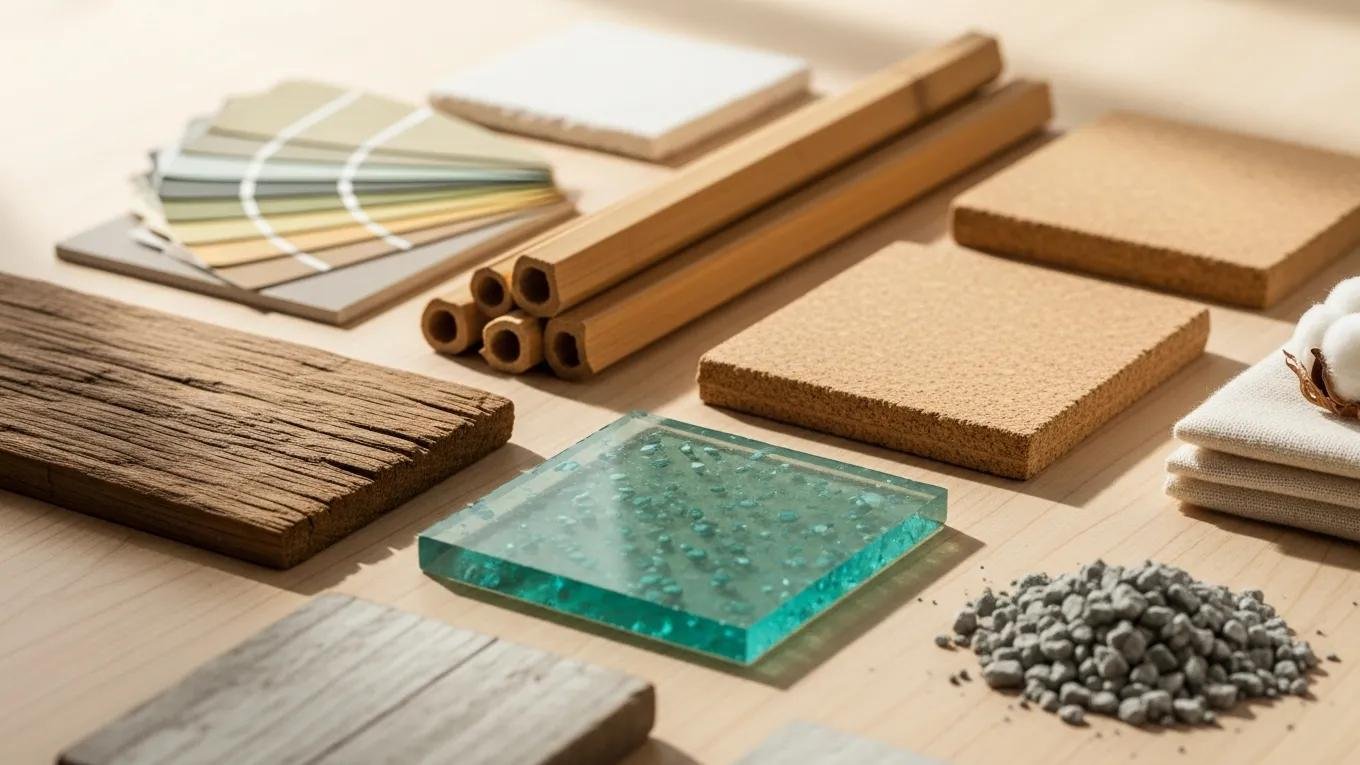
A variety of eco-friendly building finish materials are available, each offering unique benefits that contribute to sustainability. These materials are designed to minimize environmental impact while providing durability and aesthetic appeal. Common types of eco-friendly finishes include low VOC coatings, renewable building materials, and recycled content products. By choosing these materials, builders can significantly reduce the carbon footprint of their projects and enhance indoor air quality.
What Are Low VOC Coatings and Their Benefits?
Low VOC coatings are specially formulated paints and finishes that contain reduced levels of volatile organic compounds. These coatings offer several benefits, including improved indoor air quality and reduced environmental impact. By minimizing harmful emissions, low VOC coatings contribute to healthier living spaces and comply with stringent environmental regulations. Additionally, they provide excellent durability and aesthetic options, making them a popular choice for both residential and commercial projects.
How Do Renewable and Energy Efficient Building Coatings Compare?
Renewable and energy-efficient building coatings are designed to enhance the sustainability of building finishes. Renewable coatings are made from natural materials that can be replenished, while energy-efficient coatings reflect heat and reduce energy consumption. When compared to traditional coatings, these eco-friendly options offer superior performance in terms of energy savings and environmental impact. Builders who choose renewable and energy-efficient coatings not only comply with green building standards but also contribute to long-term sustainability goals.
How Do Local Environmental Building Codes Influence Building Finishes?
Local environmental building codes significantly influence the selection and application of building finishes. These codes establish minimum standards for energy efficiency, material use, and environmental impact, guiding builders in their choices. Compliance with these codes is essential for obtaining permits and ensuring that projects meet community sustainability goals. As a result, builders are increasingly adopting eco-friendly finishes that align with local regulations, fostering a culture of sustainability within the construction industry.
Despite the increasing stringency of these regulations, ensuring full compliance remains a practical challenge in the construction sector.
Building Energy Regulations & Compliance
Despite increasingly stringent building energy regulations worldwide, non-compliance exists in practice. This paper examines the profile of compliance with building energy regulations
Compliance with building energy regulations for new-build dwellings, W Pan, 2012
What Are Key Green Building Codes and Regulations Affecting Finishes?
Key green building codes and regulations include the International Green Construction Code (IgCC) and various state-specific codes that mandate the use of sustainable materials and practices. These codes outline requirements for energy efficiency, water conservation, and indoor environmental quality, directly impacting the types of finishes that can be used in construction. By adhering to these regulations, builders can ensure that their projects contribute to a more sustainable built environment while also meeting the expectations of environmentally conscious consumers.
How Are Certification Standards Like LEED Applied to Building Finishes?
Certification standards such as LEED (Leadership in Energy and Environmental Design) provide a framework for evaluating the sustainability of building finishes. LEED certification assesses various aspects of a project, including material selection, energy efficiency, and indoor air quality. Builders who aim for LEED certification must choose finishes that meet specific criteria, such as low VOC content and recycled materials. This certification not only enhances the marketability of a project but also demonstrates a commitment to sustainability and environmental responsibility.
Further insights into the LEED certification process highlight how specific building materials are evaluated and awarded points for their environmental attributes.
LEED Certification for Eco-Friendly Building Materials
two LEED programs, building materials can receive points according to the criteria shown in this material be accepted as satisfying Tier 1 certification criteria without the requirement for
Designation of environmentally preferable building materials—fundamental change needed within
LEED, K Fernholz, 2006
What Are Recent Case Studies Demonstrating the Impact of Local Sustainability Initiatives?
Recent case studies illustrate the tangible benefits of local sustainability initiatives on building finishes and overall community health. These examples showcase how targeted programs can lead to measurable improvements in environmental quality and resource conservation. By analyzing successful projects, stakeholders can identify best practices and strategies for implementing similar initiatives in their communities.
Which Regional Programs Show Measurable Environmental Benefits?
Several regional programs have demonstrated measurable environmental benefits through the promotion of eco-friendly building finishes. For instance, initiatives that incentivize the use of low VOC coatings and renewable materials have resulted in significant reductions in greenhouse gas emissions and improved air quality. These programs not only enhance the sustainability of individual projects but also contribute to broader community goals, such as reducing the urban heat island effect and promoting biodiversity.
How Do Eco-Friendly Finishes Contribute to Urban Sustainability Projects?
Eco-friendly finishes play a vital role in urban sustainability projects by enhancing the environmental performance of buildings. By incorporating sustainable materials and practices, these projects can achieve higher energy efficiency, reduce waste, and improve the overall quality of urban spaces. The integration of eco-friendly finishes not only benefits the environment but also enhances the aesthetic appeal and functionality of urban developments, making them more attractive to residents and businesses alike.
The growing emphasis on green construction materials is crucial for sustainable urban development, addressing the significant carbon footprint of the building industry.
Eco-Friendly Building Materials for Sustainable Urban Development
This work investigates the newest eco-friendly building materials, including bamboo, recycled concrete, insulation, and geopolymer cement and their importance for urban development. It analyzes ways that these innovations protect the environment even as buildings remain stable and functional. There is now a stronger emphasis on using green construction materials. The building and construction industry produces a lot of carbon and uses a lot of resources. It is needed to move towards greener building materials now more than ever.
Emerging trends and performance evaluation of eco-friendly construction materials for sustainable urban development, J Hassan, 2021