
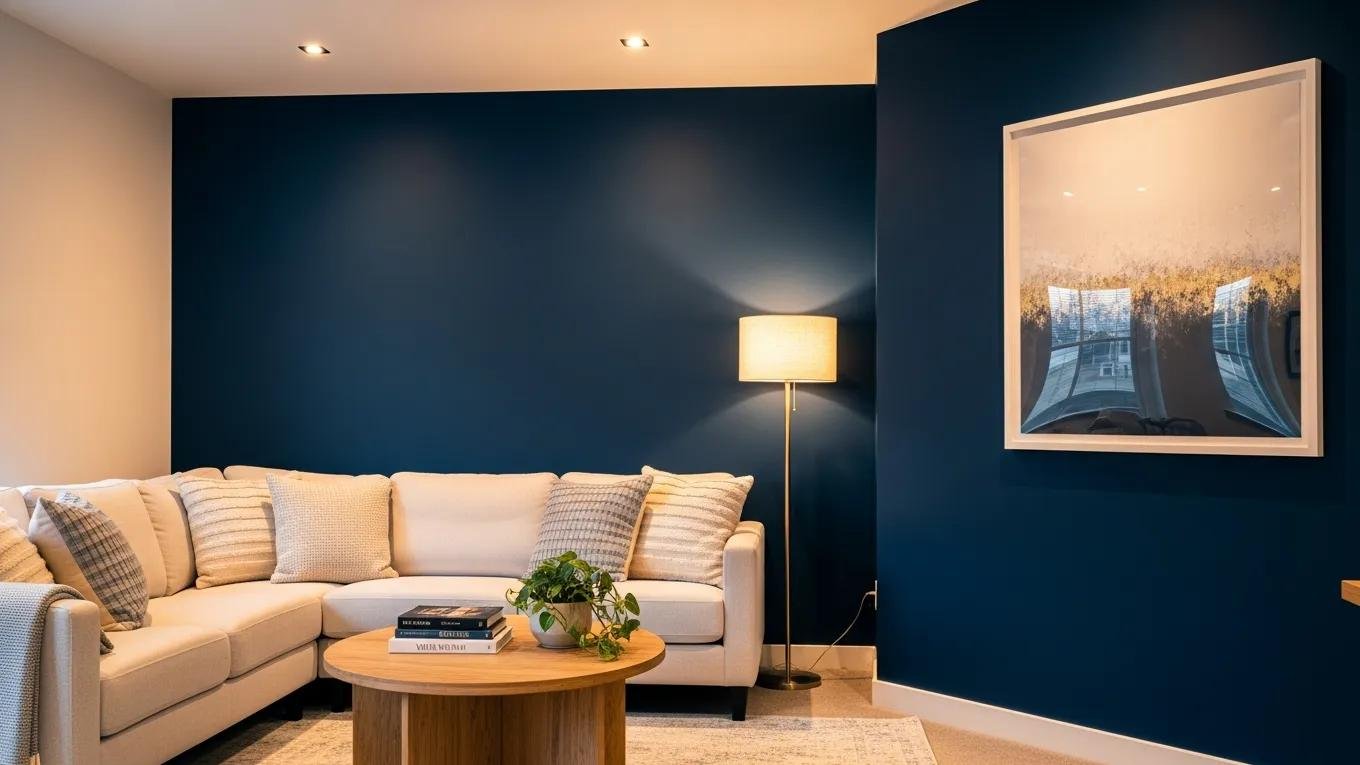
Accent Wall Ideas, Placement, and Paint Finish Tips for Stunning Home Design
By Esteem Painting Team, Esteem Painting LLC
Creating an accent wall can transform the ambiance of any room, adding depth and character to your home design. This article will guide you through selecting the perfect accent paint colors, determining optimal placement for maximum impact, and choosing the right paint finishes to enhance your design. Many homeowners struggle with making their spaces feel unique and inviting, but with the right approach, an accent wall can serve as a stunning focal point. We will explore color combinations, placement strategies, and finish types, ensuring you have all the tools needed to create a beautiful accent wall.
Indeed, the expressive power of color is a fundamental element in interior design, capable of profoundly influencing the atmosphere and visual appeal of any space.
The Expressive Power of Color in Interior Design
Color is an important constituent in interior design. With the progress of social culture and the improvement of human aesthetic consciousness, many people begin to master the law of color, and it is well versed in the expression that color can bring to the space. Color express in the room in according with their rendering property, giving the impression of fresh and elegant, simple and generous, respected comfortable, natural and noble life. It is an indispensable part of interior design. Color, which creates a very modern and personalized atmosphere of life, differs from light into shadow to create an extraordinary visual effect.
The Application of Color in Interior Design, 2017
How to Choose the Perfect Accent Paint Colors for Your Space?
Selecting the right accent paint color is crucial for achieving the desired effect in your room. The process involves understanding color theory, considering the room’s lighting, and choosing complementary shades that enhance the overall design. A well-chosen accent color can create a sense of harmony or contrast, depending on your design goals. By following these guidelines, you can ensure that your accent wall not only stands out but also complements the existing decor.
What Are the Best Color Combinations for Accent Walls?
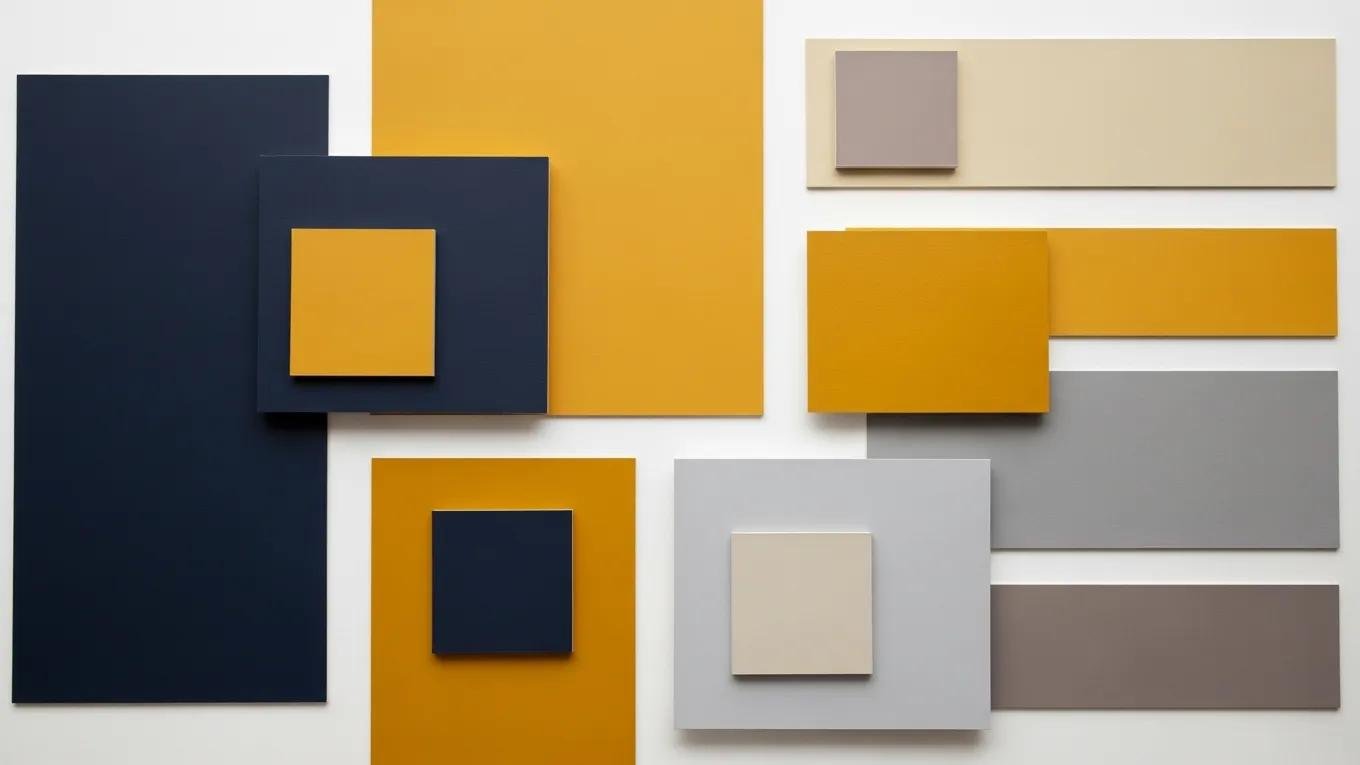
When choosing color combinations for accent walls, consider pairing bold hues with neutral tones to create balance. For instance, a deep navy blue can be beautifully complemented by soft whites or grays, while a vibrant mustard yellow can add warmth against a cool gray backdrop. Additionally, using analogous colors, such as shades of blue and green, can create a serene and cohesive look. Remember, the emotional impact of colors plays a significant role in how a space feels, so choose combinations that resonate with your personal style.
How Do Accent Paint Colors Affect Room Ambiance?
Accent paint colors significantly influence the ambiance of a room. Warm colors like reds and oranges can create a cozy and inviting atmosphere, while cool colors such as blues and greens tend to evoke calmness and tranquility. Neutral colors, on the other hand, offer versatility and can adapt to various decor styles. Lighting also plays a crucial role in how colors are perceived; natural light can enhance the vibrancy of colors, while artificial lighting may alter their appearance. Therefore, it’s essential to test paint samples in different lighting conditions before making a final decision.
Further studies delve into the psychological impact of wall colors, revealing how they shape perception, concentration, and emotional responses within a space.
Wall Color Psychology: Perception & Emotion in Home Design
Architectural elements such as color, texture, and lighting, in home-office environments play a crucial role in shaping user perception, concentration and motivation. This study investigated the effects of wall colors in home-office spaces on user perception. In a model home office, bright, saturated, and dark colors of red, red-purple, blue, and green-yellow were applied to the walls. The results indicate that light and saturated wall colors were generally perceived positively, whereas dark wall colors were rated positively for being ‘warm’, ‘pleasant’, ‘focusing’ and ‘beautiful’, but negatively for other attributes.
The language of color in home-office design: Emotional, perceptual, and functional dimensions of wall colors, F Duyan, 1996
Where Should You Place a Feature Wall for Maximum Impact?
The placement of your accent wall is just as important as the color you choose. A well-placed feature wall can draw attention to architectural elements or create a sense of depth in a room. Identifying focal points, such as fireplaces or large windows, can help you determine the best location for your accent wall. Additionally, considering the room’s layout and flow will ensure that your accent wall enhances the overall design rather than detracting from it.
What Are the Ideal Rooms and Walls for Accent Wall Placement?
Ideal rooms for accent walls include living rooms, bedrooms, and dining areas, where they can serve as a focal point. In living rooms, an accent wall behind a sofa can create a striking backdrop, while in bedrooms, a wall behind the bed can add a sense of intimacy. Kitchens and bathrooms can also benefit from accent walls, particularly with tiles or unique paint finishes that withstand moisture. Unique placement ideas, such as using an accent wall in a hallway or entryway, can also add interest to otherwise overlooked spaces.
How to Decide Accent Wall Placement in Non-Traditional Spaces?
In non-traditional spaces, such as hallways or small rooms, accent walls can be used creatively to enhance the design. For instance, a bold color in a narrow hallway can create a sense of depth and make the space feel more expansive. In small rooms, consider using lighter shades to keep the area feeling open while still incorporating an accent wall. Creative uses in offices, such as a feature wall behind a desk, can also inspire productivity and add personality to the workspace.
Research further supports how paint brightness can manipulate the perception of space, making rooms feel larger or more expansive.
How Paint Brightness Influences Perceived Room Space
Previous studies have reported that bright ceilings appear higher than dark ceilings, irrespective of the other colorimetric properties of the ceiling color (hue, saturation) and irrespective of the luminance of the remaining room surfaces (walls, floor). In the present study, we expand these findings to width and depth estimates. Our results show that the perceived spatial layout of a given room is significantly influenced by the luminance of the direct bounding surfaces (e.g., the side walls when judging perceived width) but less affected by the luminance of the other surfaces.
Bright paint makes interior-space surfaces appear farther away, C von Castell, 2018
Which Paint Finish Types Work Best for Accent Walls?
Choosing the right paint finish is essential for achieving the desired look and feel of your accent wall. Different finishes can dramatically alter the appearance of color and texture, influencing how light interacts with the surface. Understanding the characteristics of various finishes will help you select the best option for your specific design goals.
What Are the Differences Between Matte, Satin, and Gloss Finishes?
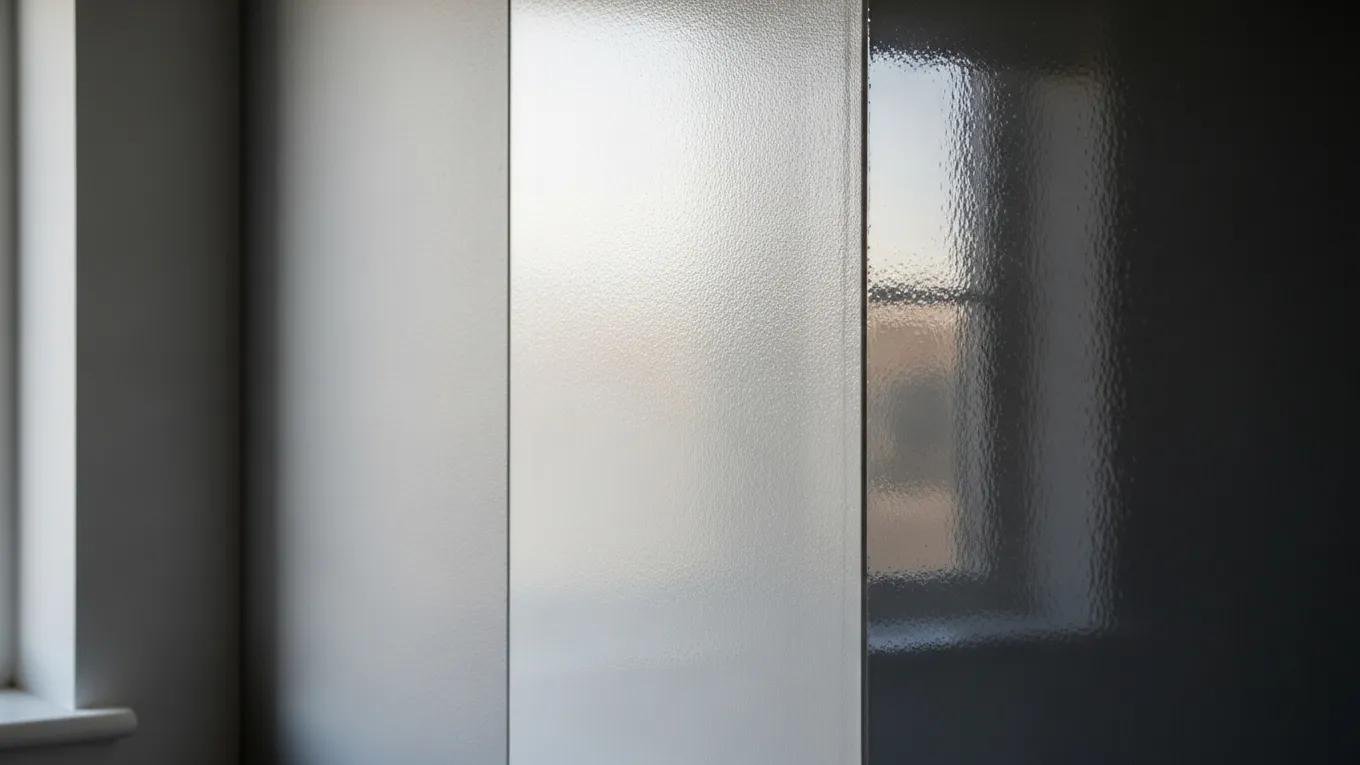
Matte finishes offer a soft, non-reflective surface that can hide imperfections, making them ideal for walls with texture. Satin finishes provide a slight sheen, adding depth while being easier to clean, making them suitable for high-traffic areas. Gloss finishes, on the other hand, are highly reflective and can create a dramatic effect, perfect for highlighting architectural details. Each finish has its pros and cons, so consider the room’s function and desired aesthetic when making your choice.
How Do Paint Finishes Influence Texture and Light Reflection?
The choice of paint finish can significantly influence how texture and light are perceived in a room. Glossy finishes reflect light, which can make a space feel brighter and more open, while matte finishes absorb light, creating a more subdued atmosphere. Additionally, textured walls can benefit from specific finishes; for example, a satin finish can enhance the texture without overwhelming the space. Practical tips for finish selection include testing samples on the wall and observing how they look at different times of the day.
What Wall Texture Options Enhance Your Accent Wall Design?
Incorporating texture into your accent wall design can add depth and interest, making it a standout feature in your home. Various materials and techniques can be used to create unique textures, from traditional paint techniques to modern materials like shiplap and wallpaper. Understanding how to use these textures effectively will elevate your accent wall design.
How to Use Shiplap, Wallpaper, and Other Textures for Feature Walls?
Shiplap is a popular choice for creating a rustic or coastal feel, while wallpaper can introduce intricate patterns and colors that paint alone cannot achieve. When using textures, consider the overall style of your room; for instance, a bold wallpaper pattern can serve as a stunning focal point in a minimalist space. Installation tips include ensuring proper alignment and using adhesive suitable for the material to achieve a professional finish.
What Are the Latest Trends in Textured Accent Walls?
Current trends in textured accent walls include the use of sustainable materials, such as reclaimed wood and eco-friendly wallpapers. Additionally, innovative design ideas, such as combining different textures on a single wall, are gaining popularity. These trends not only enhance the visual appeal of a space but also reflect a growing awareness of environmental impact in home design. Keeping up with these trends can inspire your accent wall project and ensure it remains stylish and relevant.